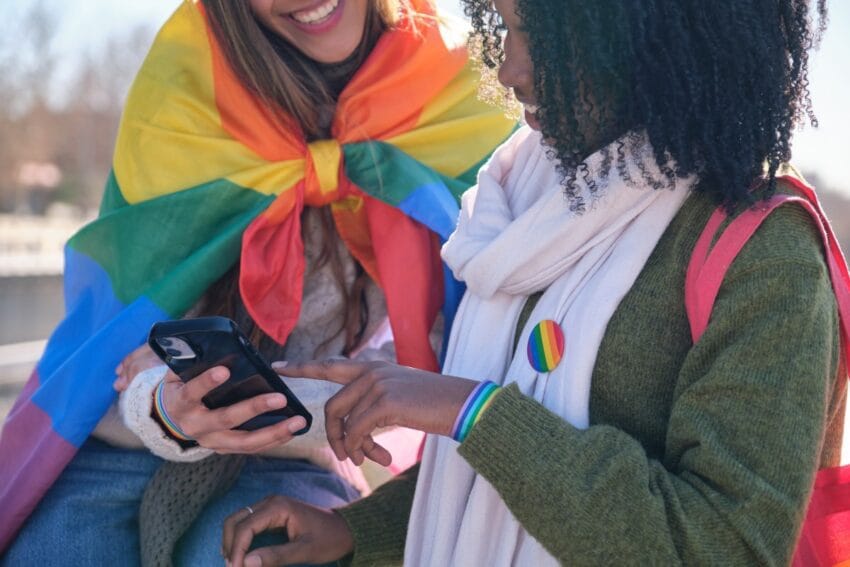
lgbtq youth have worse mental health outcomes Recent studies highlight the detrimental impact on mental health for LGBTQ+ youth who lack access to safe online spaces, especially in the current climate of heightened scrutiny and challenges to LGBTQ+ rights in the United States.
lgbtq youth have worse mental health outcomes
The Importance of Safe Online Spaces
In an increasingly digital world, online communities play a vital role in the lives of LGBTQ+ youth. These platforms provide not only a sense of belonging but also essential resources for mental health support. For many young individuals, especially those in less accepting environments, the internet serves as a refuge where they can express their identities freely and connect with others who share similar experiences.
Understanding the Current Landscape
The landscape for LGBTQ+ rights in the U.S. has become increasingly contentious in recent years. Legislative measures targeting LGBTQ+ individuals, particularly transgender youth, have been introduced in various states. These measures often aim to restrict access to gender-affirming care, limit participation in sports, and even challenge the inclusion of LGBTQ+ topics in educational curricula. As a result, many LGBTQ+ youth find themselves navigating a hostile environment that can exacerbate feelings of isolation and anxiety.
The Role of Online Communities
Online communities provide a vital support system for LGBTQ+ youth, especially during times of increased societal pressure. These platforms allow users to share their stories, seek advice, and find validation in their experiences. Research indicates that youth who engage with supportive online communities report better mental health outcomes compared to those who do not.
Key benefits of these online spaces include:
- Anonymity: Many platforms allow users to remain anonymous, which can reduce the fear of judgment and enable more open discussions about personal issues.
- Access to Resources: Online communities often provide information about mental health resources, support groups, and educational materials that can be crucial for LGBTQ+ youth.
- Peer Support: Connecting with peers who have similar experiences can foster a sense of belonging and reduce feelings of isolation.
Impact on Mental Health
The absence of safe online spaces can have severe implications for the mental health of LGBTQ+ youth. Studies show that these individuals are already at a higher risk for mental health issues, including depression, anxiety, and suicidal ideation. Without access to supportive communities, these risks can escalate significantly.
Statistical Insights
According to recent research, LGBTQ+ youth who reported feeling isolated or unsupported were more likely to experience negative mental health outcomes. In contrast, those who had access to affirming online spaces reported lower levels of depression and anxiety. Some key statistics include:
- Over 60% of LGBTQ+ youth reported feeling sad or hopeless in the past year.
- Nearly 40% of LGBTQ+ youth have considered suicide, a statistic that underscores the urgent need for supportive environments.
- Those engaged in online LGBTQ+ communities were 30% less likely to report severe depression symptoms.
Case Studies
Several case studies illustrate the positive impact of online communities on mental health. For instance, a survey conducted by The Trevor Project found that LGBTQ+ youth who interacted with online support groups were more likely to report feeling accepted and valued. These interactions often lead to improved self-esteem and a stronger sense of identity.
Another study from the Journal of Adolescent Health highlighted that youth who participated in online forums focused on LGBTQ+ issues experienced a significant decrease in anxiety levels over a six-month period. This suggests that the benefits of online engagement can be both immediate and long-lasting.
Challenges Faced by LGBTQ+ Youth
Despite the clear benefits of online communities, LGBTQ+ youth face numerous challenges in accessing these safe spaces. Factors such as internet access, digital literacy, and the prevalence of cyberbullying can hinder their ability to seek support online.
Digital Divide
The digital divide remains a significant barrier for many LGBTQ+ youth. Not all young individuals have equal access to the internet or the necessary devices to engage in online communities. This disparity can be particularly pronounced in marginalized communities, where resources may be limited.
Cyberbullying and Harassment
Moreover, the risk of cyberbullying and online harassment can deter LGBTQ+ youth from participating in online spaces. Negative experiences in these environments can lead to further isolation and exacerbate mental health issues. It is essential for platforms to implement robust moderation policies and create safe environments for all users.
Stakeholder Reactions
The findings from these studies have prompted reactions from various stakeholders, including mental health professionals, educators, and LGBTQ+ advocacy organizations. Many emphasize the need for increased awareness and support for LGBTQ+ youth, particularly in light of the ongoing challenges they face.
Advocacy Groups
Advocacy groups have called for more resources to be allocated toward creating safe online spaces. They argue that these environments are essential for fostering resilience among LGBTQ+ youth. Organizations like The Trevor Project and GLSEN have launched campaigns aimed at raising awareness about the importance of online support networks.
Educational Institutions
Educational institutions are also recognizing the need to support LGBTQ+ students. Many schools are beginning to incorporate discussions about online safety and mental health into their curricula. This proactive approach aims to equip students with the tools they need to navigate both online and offline challenges.
Future Implications
The implications of these findings are far-reaching. As society continues to grapple with issues surrounding LGBTQ+ rights, it is crucial to prioritize the mental health and well-being of LGBTQ+ youth. Ensuring access to safe online spaces can be a vital part of this effort.
Policy Recommendations
Policymakers are urged to consider the following recommendations:
- Implementing measures to protect LGBTQ+ youth from discrimination and harassment in both online and offline environments.
- Increasing funding for mental health resources specifically tailored to LGBTQ+ youth.
- Encouraging collaboration between tech companies and mental health organizations to create safer online platforms.
Community Engagement
Community engagement is also essential. Local organizations can play a pivotal role in providing resources and support for LGBTQ+ youth. By fostering inclusive environments, communities can help mitigate the negative effects of societal discrimination and isolation.
Conclusion
The mental health outcomes for LGBTQ+ youth are significantly influenced by their access to safe online spaces. As studies indicate, these communities can provide crucial support, fostering resilience and improving overall well-being. In a time when LGBTQ+ rights are under attack, it is imperative to prioritize the creation and maintenance of safe online environments. By doing so, society can help ensure that LGBTQ+ youth have the resources and support they need to thrive.
Source: Original report
Was this helpful?
Last Modified: September 25, 2025 at 9:51 pm
5 views