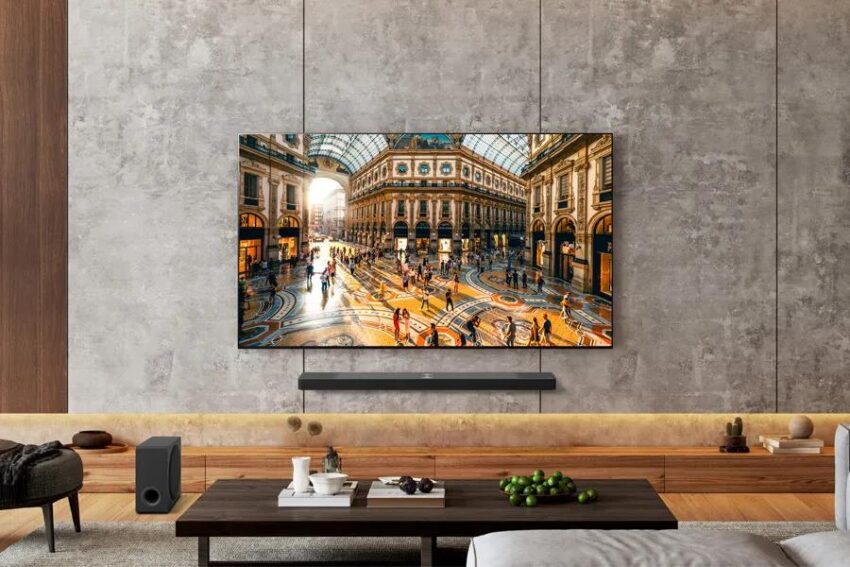
lg s new subscription program charges up LG has introduced a new subscription program in the UK, enabling customers to rent a variety of its electronic products, including TVs, soundbars, monitors, and speakers, through a monthly payment model.
lg s new subscription program charges up
Overview of the LG Flex Subscription Program
In an innovative move aimed at adapting to changing consumer preferences, LG’s new subscription service, LG Flex, allows users to enjoy the latest technology without the upfront costs associated with purchasing high-end devices. This program is particularly appealing in an era where consumers are increasingly looking for flexibility and convenience in their purchasing decisions.
Subscription Options
LG Flex offers a range of subscription durations, allowing customers to choose between one, two, or three-year plans. This tiered approach provides flexibility in payment structures, making it easier for consumers to manage their finances while enjoying premium products. The longer the subscription term chosen, the lower the monthly payments tend to be, which can be an attractive option for budget-conscious consumers.
End-of-Subscription Choices
At the conclusion of the subscription period, customers are presented with several options. According to the LG Flex website, subscribers can:
- Apply for a free upgrade to a newer model, ensuring they always have access to the latest technology.
- Continue making monthly payments for the device they have been renting.
- Return the device without any further obligations.
This flexibility is designed to enhance customer satisfaction and loyalty, as it allows users to adapt their technology needs as they evolve.
Cost Structure and Fees
The subscription fees for the LG Flex program can reach up to £277 per month, depending on the specific device and subscription length chosen. This pricing structure may seem steep, particularly for consumers who are accustomed to purchasing electronics outright. However, the program’s appeal lies in its ability to spread costs over time, making high-end technology more accessible.
Additional Charges
Subscribers should also be aware of additional fees associated with the service. For instance, there is a £50 (approximately $69) fee for a “full removal service,” which includes dismounting and packaging the rental TVs upon return. This fee is designed to cover the logistics of safely retrieving the devices, ensuring they are returned in good condition.
Market Context and Implications
The launch of LG Flex comes at a time when the consumer electronics market is experiencing significant shifts. With the rise of subscription services across various industries, including entertainment and software, it is not surprising to see a similar model emerging in the electronics sector. This trend reflects a broader consumer preference for subscription-based models that offer flexibility and convenience.
Consumer Behavior Trends
Recent studies indicate that consumers, particularly younger demographics, are increasingly inclined to rent rather than buy. This shift can be attributed to several factors:
- Financial Flexibility: Renting allows consumers to avoid large upfront costs, making it easier to manage budgets.
- Access to Latest Technology: Subscription models enable users to frequently upgrade to the latest devices without the burden of ownership.
- Environmental Considerations: Some consumers prefer renting as a more sustainable option, reducing electronic waste by returning devices for recycling or refurbishment.
Stakeholder Reactions
The introduction of LG Flex has elicited a variety of responses from industry experts, consumers, and competitors. Many see this move as a strategic response to changing market dynamics, while others raise concerns about the long-term viability of such a model.
Industry Experts
Industry analysts have noted that LG’s subscription service could set a precedent for other electronics manufacturers. As competition in the tech space intensifies, companies may feel pressured to adopt similar models to remain relevant. The success of LG Flex could encourage other brands to explore subscription services as a means of attracting and retaining customers.
Consumer Feedback
Initial consumer reactions have been mixed. Some potential subscribers appreciate the flexibility and convenience offered by the program, while others express skepticism about the overall cost-effectiveness of renting versus buying. The high monthly fees associated with premium devices may deter some consumers who are accustomed to traditional purchasing methods.
Comparative Analysis with Competitors
LG is not the only company exploring subscription models in the electronics space. Several competitors have launched similar initiatives, each with its unique features and pricing structures. For example, companies like Samsung and Sony have also introduced rental programs, albeit with different terms and conditions.
Samsung’s Approach
Samsung’s subscription service allows users to rent a variety of devices, including smartphones and home appliances. Unlike LG, Samsung offers a more extensive range of products, which may appeal to a broader audience. Additionally, Samsung’s pricing structure tends to be more competitive, potentially attracting cost-conscious consumers.
Sony’s Offerings
Sony has also ventured into the subscription model, particularly focusing on gaming consoles and accessories. Their service emphasizes the gaming experience, offering exclusive content and features that enhance the value proposition for gamers. This targeted approach may resonate more with a specific demographic, setting Sony apart from LG’s broader electronics focus.
Future Prospects for LG Flex
As LG embarks on this new venture, the future of the LG Flex program will depend on several factors, including consumer adoption rates, competitive responses, and overall market trends. The company will need to continuously assess and adapt its offerings to meet the evolving needs of its subscribers.
Potential for Expansion
If successful, LG may consider expanding the program beyond the UK, targeting markets where subscription models have gained traction. This could include regions with high disposable incomes and a strong demand for premium electronics. Additionally, LG might explore partnerships with content providers to bundle services, enhancing the value of the subscription.
Challenges Ahead
However, challenges remain. The high monthly fees could limit the program’s appeal, particularly in a competitive market where consumers have numerous options. Furthermore, LG will need to ensure that the quality of customer service and logistics meets subscriber expectations, as any shortcomings could lead to negative reviews and diminished interest in the program.
Conclusion
LG’s introduction of the Flex subscription program marks a significant shift in how consumers can access and enjoy technology. By offering flexible payment options and the possibility of upgrading devices, LG aims to cater to the evolving preferences of modern consumers. However, the success of this initiative will depend on various factors, including market acceptance, competitive dynamics, and the company’s ability to deliver a seamless customer experience.
Source: Original report
Was this helpful?
Explore more: More Consumer Technology Tech News Blog
Last Modified: January 28, 2026 at 1:35 am
19 views