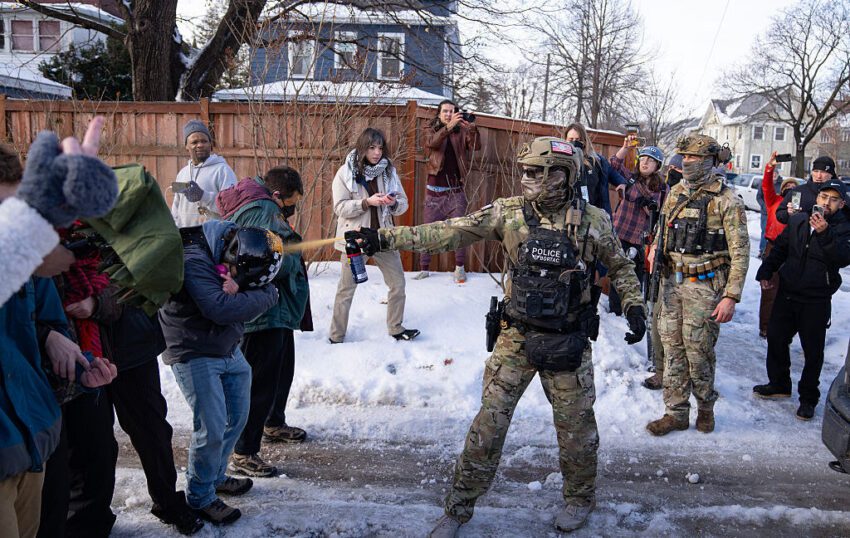
lawsuit dhs wants unlimited subpoena authority to The U.S. Department of Homeland Security (DHS) is currently embroiled in a legal battle over its attempt to reveal the identities of individuals behind social media accounts that monitor and report on the activities of Immigration and Customs Enforcement (ICE) in Pennsylvania.
lawsuit dhs wants unlimited subpoena authority to
Background of the Case
The case centers around an anonymous account holder known as John Doe, who represents the MontCo Community Watch, a group dedicated to tracking and reporting ICE activities. The group has been vocal in its criticism of ICE, particularly regarding its enforcement practices and the impact on local communities. The DHS’s actions have raised significant concerns about the implications for free speech and the right to anonymous expression, especially in the context of government oversight and accountability.
The Role of Social Media in Activism
In recent years, social media platforms like Facebook and Instagram have become vital tools for activists and community organizers. They provide a space for individuals to share information, mobilize support, and raise awareness about issues that may otherwise go unnoticed. In this case, the MontCo Community Watch has utilized these platforms to document and report on ICE’s activities, thereby fostering community awareness and engagement.
However, the anonymity afforded by these platforms is increasingly under threat, particularly when government agencies seek to identify critics. The DHS’s summons to Meta, the parent company of Facebook and Instagram, is seen as an attempt to undermine this anonymity, raising alarms about potential government overreach and the chilling effect it may have on free speech.
Legal Implications of the DHS’s Actions
John Doe’s lawsuit against the DHS argues that the agency’s request for subscriber information constitutes a violation of the First Amendment. The First Amendment protects the right to free speech, including the right to criticize government actions without fear of retaliation. Doe contends that the DHS’s actions not only infringe upon this right but also represent a broader attempt to expand the agency’s authority beyond what is legally permissible.
First Amendment Protections
The First Amendment has long been interpreted to protect not just the spoken or written word but also anonymous speech. The U.S. Supreme Court has upheld the principle that anonymity can be essential for individuals to express dissenting opinions, especially in politically charged environments. In Doe’s case, the ability to report on ICE activities without revealing his identity is crucial for his safety and for the safety of those he reports on.
Legal experts argue that if the DHS is allowed to proceed with its summons, it could set a dangerous precedent. It may embolden other government agencies to pursue similar actions against critics, thereby stifling dissent and discouraging individuals from speaking out against government policies. This could lead to a significant erosion of civil liberties, particularly for marginalized communities disproportionately affected by ICE’s enforcement actions.
Reactions from Stakeholders
The lawsuit has garnered attention from various stakeholders, including civil rights organizations, legal experts, and social media platforms. Many have expressed concern over the implications of the DHS’s actions for free speech and the right to anonymous reporting.
Civil Rights Organizations
Organizations such as the American Civil Liberties Union (ACLU) have voiced strong support for Doe’s position. They argue that the DHS’s attempt to unmask critics undermines the foundational principles of democracy and free expression. The ACLU has emphasized that the right to speak out against government actions is essential for accountability and transparency.
Legal Experts’ Perspectives
Legal scholars have also weighed in on the case, noting that the DHS’s actions could be seen as an overreach of its authority. Many argue that the agency’s request for subscriber information lacks a compelling justification and fails to meet the legal standards required for such subpoenas. The legal community is closely monitoring the case, as its outcome could have far-reaching implications for the balance of power between government agencies and individual rights.
Potential Consequences for Social Media Platforms
The case also raises questions about the responsibilities of social media platforms in protecting user privacy and anonymity. Meta, as the platform hosting the accounts in question, faces a dilemma: comply with the DHS’s request or uphold the rights of its users. The company’s decision could set a precedent for how social media platforms handle similar requests in the future.
Privacy Policies and User Trust
Meta has long touted its commitment to user privacy and security. However, the DHS’s summons puts this commitment to the test. If Meta were to comply with the request, it could lead to a loss of trust among its user base, particularly among activists and community organizers who rely on the platform for anonymous communication. Conversely, if Meta resists the summons, it may face legal repercussions from the DHS, potentially leading to a protracted legal battle.
Broader Implications for Government Accountability
The ongoing legal battle highlights the tension between government oversight and individual rights. As government agencies increasingly turn to social media to monitor public sentiment and dissent, the need for robust protections for free speech becomes even more critical. The outcome of this case could influence how government agencies interact with social media platforms and the extent to which they can pursue information about individuals who criticize their actions.
The Future of Anonymous Reporting
The ability to report on government activities anonymously is vital for ensuring accountability and transparency. As the MontCo Community Watch demonstrates, community members often rely on these reports to inform their neighbors and advocate for change. If the DHS is successful in unmasking critics, it could deter individuals from speaking out, ultimately undermining the very democratic principles that allow for public discourse and dissent.
Conclusion
The legal battle between John Doe and the DHS underscores the critical importance of protecting free speech and the right to anonymous expression in the digital age. As government agencies seek to expand their authority, it is essential to uphold the principles enshrined in the First Amendment. The outcome of this case will not only affect the MontCo Community Watch but could also set a precedent for how government agencies interact with social media and the rights of individuals to criticize their actions without fear of retaliation.
Source: Original report
Was this helpful?
Last Modified: January 14, 2026 at 7:38 am
0 views