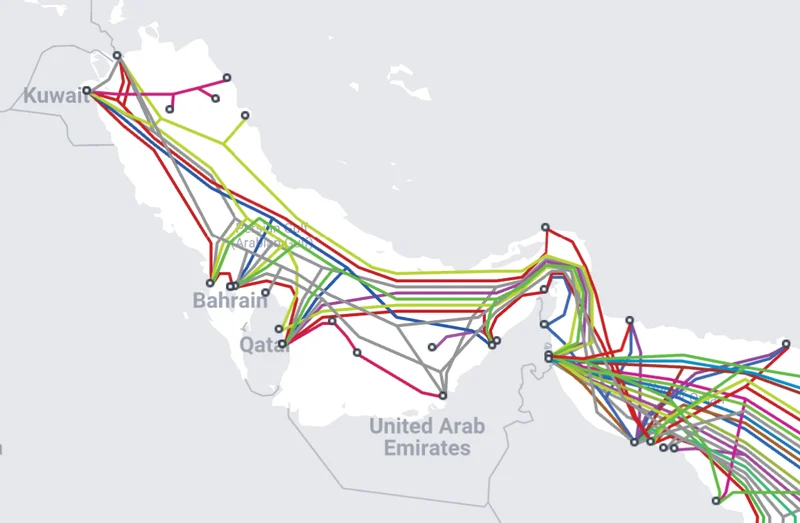
iran demands big tech pay fees for Iran has announced its intention to impose fees on US technology companies for the use of undersea Internet cables that traverse the strategically significant Strait of Hormuz.
iran demands big tech pay fees for
Background on the Strait of Hormuz
The Strait of Hormuz is a narrow passage that connects the Persian Gulf to the Gulf of Oman. It is one of the world’s most critical maritime chokepoints, with a significant portion of global oil and gas shipments passing through its waters. The strategic importance of this waterway extends beyond energy supplies; it also serves as a vital route for undersea Internet cables that facilitate global digital communications. Approximately 20% of the world’s Internet traffic is believed to flow through these cables, making the region crucial for both economic and technological stability.
Iran’s Claims and Statements
The recent claims by Iran were articulated by Ebrahim Zolfaghari, a spokesperson for the Iranian military and the Islamic Revolutionary Guard Corps (IRGC). In a statement released on May 9, Zolfaghari declared, “We will impose fees on internet cables.” This assertion raises questions about Iran’s authority over international waters and the feasibility of enforcing such fees, particularly since many undersea cables are located in waters controlled by Oman.
Details of the Proposed Fees
Iranian state-affiliated media outlets, including Tasnim and Fars, have provided more context regarding the proposed fee structure. According to reports, these outlets suggested that Iran could charge licensing fees to major US tech companies, specifically naming Meta, Google, Amazon, and Microsoft. The proposal indicates that Iran believes it has the exclusive right to repair and maintain the undersea cables, further complicating the operational landscape for these companies.
Implications for Big Tech and Regional Stability
The implications of Iran’s announcement are significant for both Big Tech and the geopolitical landscape of the region. The threat of fees could accelerate efforts by technology companies and Gulf nations to explore alternative routes for their undersea cables, thereby bypassing the Strait of Hormuz. This could lead to a shift in how digital infrastructure is developed in the Middle East and beyond.
Potential Responses from Big Tech
In response to Iran’s claims, tech companies may consider several strategies:
- Exploring Alternative Routes: Companies may invest in new undersea cable projects that circumvent the Strait of Hormuz, thereby reducing their reliance on Iranian-controlled waters.
- Negotiating with Regional Governments: Tech firms could engage in discussions with Gulf nations to secure more favorable terms for cable usage and maintenance.
- Enhancing Security Measures: Given the geopolitical tensions in the region, companies may also invest in enhanced security measures for existing cables to protect against potential disruptions.
Reactions from Gulf Countries
The Gulf states, particularly Oman and the United Arab Emirates, may also react to Iran’s claims. These countries have historically maintained a delicate balance in their relations with Iran while also being integral players in the global tech landscape. Their responses could include:
- Strengthening Alliances: Gulf nations may seek to strengthen their alliances with Western powers to counter Iran’s influence in the region.
- Investment in Infrastructure: Increased investment in regional infrastructure could be a priority to ensure that alternative routes are viable and secure.
- Diplomatic Engagement: Engaging in diplomatic efforts to address Iran’s claims could also be on the table, as these nations seek to maintain stability in the region.
Challenges in Implementation
While Iran’s statements have raised eyebrows, the practical challenges of implementing such fees are considerable. The majority of undersea cables in the region are located in waters that are not under Iranian jurisdiction, complicating any attempt to enforce fees. Additionally, the international community generally recognizes the principle of freedom of navigation in international waters, which could further undermine Iran’s claims.
International Law and Freedom of Navigation
International law, particularly the United Nations Convention on the Law of the Sea (UNCLOS), establishes guidelines for the use of international waters. According to UNCLOS, coastal states have limited rights to regulate activities in their territorial waters, but these rights do not extend to international waters. As such, Iran’s ability to impose fees on undersea cables may face significant legal challenges.
Impact on Internet Connectivity
The potential for increased fees and regulatory hurdles could have a direct impact on internet connectivity in the region. If tech companies decide to reroute their cables, it may lead to increased latency and reduced bandwidth for users in the Middle East. This could affect not only individual consumers but also businesses that rely on stable internet connections for their operations.
Long-term Consequences for Regional Development
The long-term consequences of Iran’s claims could extend beyond immediate connectivity issues. As tech companies explore alternative routes, there may be a shift in investment patterns in the region. Countries that can offer more stable and secure environments for digital infrastructure may see increased foreign investment, while those perceived as risky may struggle to attract tech firms.
Conclusion
Iran’s announcement to impose fees on undersea Internet cables represents a significant escalation in the ongoing geopolitical tensions in the region. While the feasibility of such fees remains uncertain, the implications for Big Tech and Gulf countries are profound. As companies consider their options, the potential for alternative routes and increased investment in regional infrastructure could reshape the digital landscape of the Middle East. The situation warrants close monitoring, as the interplay between technology and geopolitics continues to evolve.
Source: Original report
Was this helpful?
Explore more: More Big Tech & Platforms Tech News Blog
Last Modified: May 19, 2026 at 7:38 pm
16 views