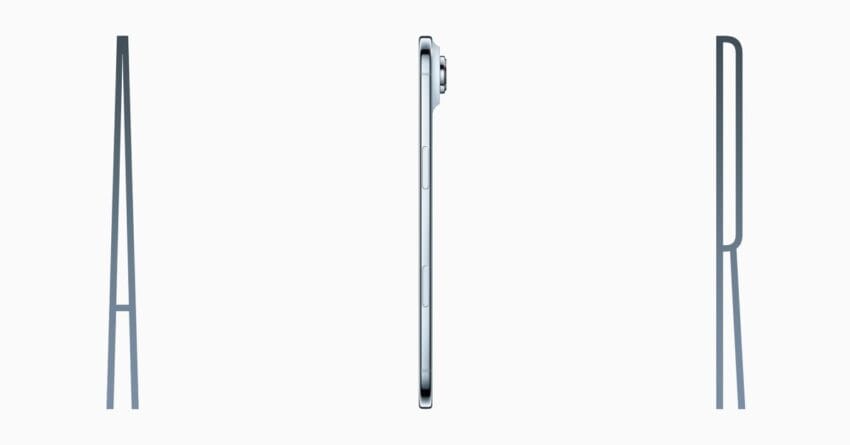
iphone air launch in china delayed due Apple’s highly anticipated iPhone Air launch in China has been postponed due to regulatory challenges surrounding eSIM technology.
iphone air launch in china delayed due
Introduction to the iPhone Air
The iPhone Air represents a significant leap in Apple’s smartphone design, showcasing a remarkably thin profile that sets it apart from its predecessors. This new model is not just about aesthetics; it embodies Apple’s commitment to innovation and efficiency. One of the most notable features of the iPhone Air is its exclusive reliance on eSIM technology, eliminating the need for a physical SIM card slot. This design choice not only contributes to the device’s sleekness but also maximizes internal space, allowing for other advancements in hardware and battery life.
eSIM Technology: A Brief Overview
eSIM, or embedded SIM, is a digital SIM that allows users to activate a cellular plan without the need for a physical SIM card. This technology has been gaining traction globally due to its convenience and flexibility. Users can switch carriers or plans without having to physically change their SIM cards, making it an attractive option for frequent travelers and those who prefer to manage their mobile services digitally.
Advantages of eSIM
- Space Efficiency: With no need for a physical SIM card slot, manufacturers can design slimmer devices.
- Convenience: Users can switch carriers or plans remotely, enhancing user experience.
- Multiple Profiles: eSIMs can store multiple profiles, allowing users to switch between different carriers easily.
Challenges of eSIM Implementation
Despite its advantages, the transition to eSIM technology has not been without challenges. Regulatory hurdles, particularly in markets like China, have complicated the rollout of devices that rely solely on eSIM. These challenges often stem from the need for compliance with local telecommunications regulations, which can vary significantly from one country to another.
Apple’s Announcement and Initial Plans
During the recent product launch event, Apple announced that the iPhone Air would be available in China through China Telecom. This announcement was met with enthusiasm, as the Chinese market represents a significant opportunity for Apple. However, the excitement was short-lived as news of the delay emerged.
Regulatory Issues in China
According to a report by The South China Morning Post, Apple has decided to postpone the iPhone Air’s launch in China as it continues to engage with Chinese regulators regarding the eSIM technology. The specific regulatory issues have not been disclosed, but they are believed to relate to compliance with local laws governing telecommunications and mobile services.
Impact of Regulatory Delays
Regulatory delays can have far-reaching implications for companies like Apple. The postponement of the iPhone Air launch not only affects sales but also impacts Apple’s brand image and market positioning in China. As one of the largest smartphone markets in the world, China is crucial for Apple’s growth strategy. Delays in product launches can lead to lost market share, especially if competitors are able to capitalize on the situation.
Stakeholder Reactions
The reaction from stakeholders has been mixed. Investors may express concern over the potential impact on Apple’s revenue forecasts, while consumers eagerly awaiting the iPhone Air may feel disappointed by the delay. Additionally, China Telecom, as one of the key partners for the iPhone Air launch, may also be affected in terms of its sales projections and marketing strategies.
Apple’s Strategy in the Chinese Market
Apple has long viewed China as a critical market for its products. The company has invested heavily in establishing a presence in the region, including partnerships with local carriers and retail strategies tailored to Chinese consumers. The iPhone Air was expected to be a significant addition to Apple’s lineup, particularly among younger consumers who prioritize design and functionality.
Previous Challenges in China
This is not the first time Apple has faced challenges in the Chinese market. In the past, the company has navigated issues ranging from regulatory scrutiny to competition from domestic brands. For instance, the rise of companies like Huawei and Xiaomi has intensified competition, forcing Apple to adapt its strategies continually.
Future Implications
The delay of the iPhone Air launch raises questions about Apple’s long-term strategy in China. Will the company continue to push for eSIM technology, or will it consider alternative solutions to comply with local regulations? The outcome of these discussions with Chinese regulators will likely shape Apple’s approach to future product launches in the region.
Consumer Expectations and Market Trends
Consumer expectations for the iPhone Air are high, particularly given the device’s sleek design and advanced features. Many consumers are looking forward to the benefits of eSIM technology, including the ability to manage multiple carrier profiles and the convenience of digital activation. However, the delay may lead to frustration among potential buyers, who may turn to alternative devices in the interim.
Market Trends in Smartphone Technology
The smartphone market is rapidly evolving, with trends such as 5G connectivity, foldable screens, and enhanced camera technology dominating consumer interest. The iPhone Air was positioned to capitalize on these trends, but the delay could hinder Apple’s ability to remain competitive in a fast-paced market.
Conclusion
The postponement of the iPhone Air launch in China highlights the complexities of navigating regulatory landscapes in global markets. While eSIM technology offers numerous advantages, its implementation is fraught with challenges that can impact product availability and consumer satisfaction. As Apple continues to work with Chinese regulators, the outcome will be crucial not only for the iPhone Air but also for the company’s future endeavors in one of the world’s largest smartphone markets.
Source: Original report
Was this helpful?
Last Modified: September 12, 2025 at 4:38 pm
2 views