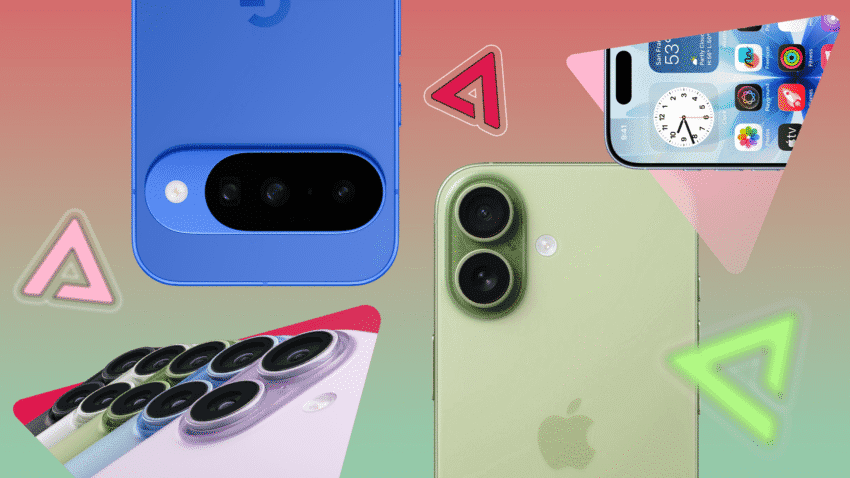
iphone 17 outshines the google pixel 10 Google’s latest Pixel 10 has made significant strides in technology, but the newly released iPhone 17 has set a high bar, particularly in several key areas.
iphone 17 outshines the google pixel 10
Introduction to the Pixel 10 and iPhone 17
The smartphone market is highly competitive, with major players like Google and Apple continually pushing the boundaries of technology. This year, Google introduced the Pixel 10, which boasts several noteworthy upgrades over its predecessor. The device features the new Tensor G5 chip, a 5x telephoto camera, Qi2 wireless charging support, and a brighter display. However, the recent launch of the iPhone 17 has raised questions about whether these enhancements are enough to compete with Apple’s flagship device.
Key Upgrades in the Pixel 10
Tensor G5 Chip
One of the most significant upgrades in the Pixel 10 is the introduction of the Tensor G5 chip. This new processor promises improved performance and efficiency, which is crucial for handling demanding applications and multitasking. The Tensor G5 is designed to enhance machine learning capabilities, enabling features such as real-time language translation and advanced photography enhancements. Google aims to position this chip as a cornerstone of its hardware strategy, focusing on software optimization that leverages the unique capabilities of the Tensor architecture.
Camera Enhancements
The Pixel lineup has long been celebrated for its camera quality, and the Pixel 10 continues this tradition with a new 5x telephoto camera. This addition allows users to capture distant subjects with greater clarity and detail, making it an attractive option for photography enthusiasts. The camera system also benefits from Google’s computational photography algorithms, which enhance image quality in various lighting conditions. Additionally, the Pixel 10 retains its signature Night Sight feature, further solidifying its reputation as a leader in mobile photography.
Display and Design
Another area where the Pixel 10 has made improvements is its display. The device features a brighter screen, which enhances visibility in direct sunlight and improves the overall user experience. The design of the Pixel 10 has also received a refresh, with a more modern aesthetic that appeals to a broader audience. The incorporation of Qi2 wireless charging support adds convenience for users who prefer to charge their devices without cables.
Comparative Analysis: iPhone 17’s Advantages
Performance and Efficiency
While the Pixel 10 brings impressive upgrades, the iPhone 17 has its own set of advantages that may overshadow Google’s efforts. Apple’s A17 chip, known for its exceptional performance and efficiency, continues to set the standard in the smartphone industry. The A17 chip is built on a 3nm process, which allows for higher transistor density and improved energy efficiency. This translates to faster processing speeds and longer battery life, giving the iPhone 17 a distinct edge in performance benchmarks.
Camera Technology
The iPhone 17 also excels in camera technology, featuring advanced optical zoom capabilities and improved low-light performance. Apple’s focus on computational photography has resulted in features such as Photonic Engine, which enhances image processing and detail retention. The device’s ProRAW and ProRes video capabilities cater to professional users, making it a versatile tool for both photography and videography. While the Pixel 10’s 5x telephoto camera is a strong contender, the iPhone 17’s overall camera system may appeal more to those seeking professional-grade results.
Software Ecosystem
Another critical factor in the comparison between the Pixel 10 and iPhone 17 is the software ecosystem. Apple’s iOS is known for its seamless integration with other Apple products, creating a cohesive user experience across devices. Features like Handoff, AirDrop, and iCloud synchronization enhance productivity and convenience for users who are already embedded in the Apple ecosystem. In contrast, while Google’s Android operating system offers flexibility and customization, it may not provide the same level of integration as Apple’s offerings.
Market Reception and Stakeholder Reactions
Consumer Feedback
Initial consumer feedback for both devices has been mixed, with users praising the Pixel 10’s camera capabilities and software features while expressing concerns about its performance compared to the iPhone 17. Many users have noted that while the Pixel 10 offers excellent value for its price, the iPhone 17’s performance and ecosystem integration make it a compelling choice for those willing to invest in a premium device. The competition between these two smartphones highlights the diverse preferences of consumers, with some prioritizing camera quality and others valuing overall performance and ecosystem compatibility.
Industry Analysts’ Perspectives
Industry analysts have weighed in on the competition, noting that while the Pixel 10 has made significant improvements, it may struggle to gain market share against the iPhone 17. Analysts point to Apple’s strong brand loyalty and established ecosystem as significant barriers for Google. However, they also acknowledge that the Pixel 10’s unique features, particularly in photography and software optimization, could attract a niche audience. As the smartphone market continues to evolve, the competition between these two devices will likely drive further innovation from both companies.
Implications for the Future
The competition between the Pixel 10 and iPhone 17 has broader implications for the smartphone industry. As companies strive to differentiate their products, we can expect to see continued advancements in areas such as artificial intelligence, camera technology, and battery efficiency. The emphasis on machine learning and computational photography will likely shape the future of mobile devices, as manufacturers seek to leverage these technologies to enhance user experiences.
Furthermore, the rivalry between Google and Apple may lead to increased collaboration in certain areas, such as software development and cross-platform compatibility. As consumers demand more seamless experiences across devices, both companies may find it beneficial to explore partnerships that enhance their respective ecosystems.
Conclusion
In summary, while the Google Pixel 10 has made significant upgrades with its Tensor G5 chip, enhanced camera capabilities, and improved display, the iPhone 17 continues to set a high standard in performance and ecosystem integration. The competition between these two devices highlights the diverse preferences of consumers and underscores the ongoing innovation in the smartphone market. As both companies strive to capture the attention of consumers, the future of mobile technology promises to be exciting and dynamic.
Source: Original report
Was this helpful?
Explore more: Mobile App Development More Mobile Technology Tech News
Last Modified: September 15, 2025 at 4:51 am
11 views