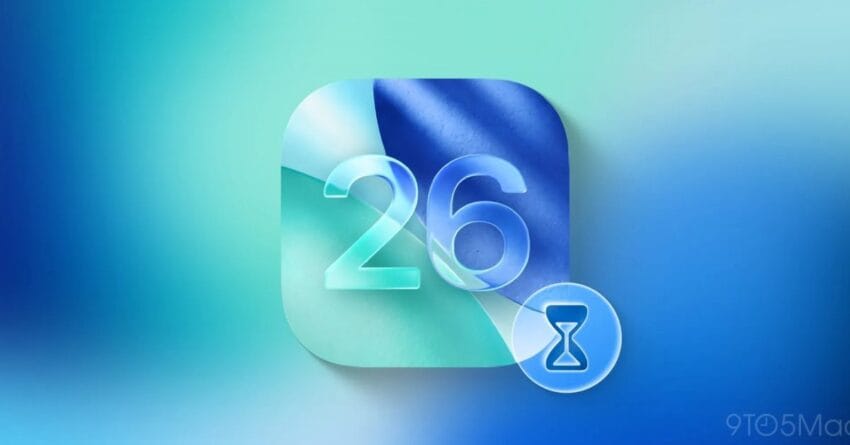
ios 26 officially launches today but some iOS 26 officially launches today, but the rollout has sparked mixed reactions among developers regarding its readiness for public use.
ios 26 officially launches today but some
Overview of iOS 26 Launch
Today marks a significant milestone for Apple as iOS 26 emerges from its beta phase and is officially available to the public. This new version of the operating system introduces a range of features, with the most notable being the Liquid Glass design aesthetic. This new look has generated considerable debate, reminiscent of the reactions to the minimalist design changes introduced with iOS 7 back in 2013.
Key Features of iOS 26
iOS 26 comes packed with a variety of features aimed at enhancing user experience and functionality. The Liquid Glass design is intended to provide a sleek, modern interface that emphasizes transparency and fluidity. However, the implementation of this design has not been without its challenges.
Liquid Glass Design
The Liquid Glass interface aims to create a visually appealing environment that feels both contemporary and immersive. Apple has invested significant resources into developing this aesthetic, which includes:
- Transparency Effects: Elements of the user interface are designed to blend seamlessly with the background, creating a sense of depth.
- Fluid Animations: Transitions between apps and menus are smoother, contributing to a more dynamic user experience.
- Customizable Widgets: Users can personalize their home screens with widgets that reflect the Liquid Glass theme.
While these features are designed to enhance visual appeal, they have also raised concerns about usability and accessibility.
Usability Concerns
Despite the aesthetic advancements, beta testers have reported issues regarding legibility and the overall clarity of design elements. Some users have found it difficult to read text against the new transparent backgrounds, leading to frustration and confusion. This feedback prompted Apple to make several adjustments during the beta testing phase, but some developers remain skeptical about whether the final product is truly ready for widespread adoption.
Developer Reactions
The response from developers has been mixed, with some expressing enthusiasm for the new features while others voice concerns about the Liquid Glass design’s readiness. Notably, several developers have taken to social media platforms to share their thoughts.
Support for the New Design
Some developers have praised the Liquid Glass aesthetic for its modernity and potential to attract new users. They argue that the design aligns with current trends in user interface design, which favor minimalism and sleek visuals. These supporters believe that the aesthetic changes could help Apple maintain its competitive edge in the mobile operating system market.
Criticism and Concerns
Conversely, a significant number of developers have raised concerns about the practicality of the Liquid Glass design. Key criticisms include:
- Poor Legibility: Many users have reported difficulty reading text, particularly in bright lighting conditions.
- Confusing Navigation: The new design elements have led to a learning curve for users accustomed to previous versions of iOS.
- Accessibility Issues: Users with visual impairments may find the transparency effects particularly challenging, raising questions about Apple’s commitment to inclusivity.
These concerns have led some developers to question whether Apple should have delayed the launch to address these issues more thoroughly.
Background Context
The launch of iOS 26 comes at a time when Apple is facing increased scrutiny regarding its design choices and user experience. The company has a long history of prioritizing aesthetics, but this focus has sometimes come at the expense of functionality. The backlash against the Liquid Glass design echoes previous controversies, such as the initial reception of iOS 7, which was criticized for its radical departure from previous versions.
Historical Precedents
In 2013, the introduction of iOS 7 marked a significant shift in Apple’s design philosophy. The minimalist approach was intended to modernize the interface, but many users found it disorienting. Over time, Apple made adjustments based on user feedback, ultimately refining the design to better meet user needs. This historical context raises questions about whether the company has learned from past mistakes or if it is repeating them with iOS 26.
Implications for Apple and Users
The launch of iOS 26 carries significant implications for both Apple and its user base. As the company seeks to innovate and push the boundaries of mobile design, it must also consider the practical needs of its users.
Impact on User Experience
The user experience is paramount for any operating system, and the reception of iOS 26 will likely influence how users perceive Apple’s commitment to usability. If the Liquid Glass design proves to be more of a hindrance than a help, it could lead to dissatisfaction among users, prompting them to explore alternative operating systems.
Future Updates and Revisions
Given the mixed feedback, it is likely that Apple will need to address the concerns raised by developers and users in future updates. The company has a history of releasing patches and updates to improve functionality and user experience, and it may need to act swiftly to rectify any issues associated with iOS 26.
Conclusion
The official launch of iOS 26 marks a pivotal moment for Apple, showcasing its commitment to innovation while also highlighting the challenges of balancing aesthetics with usability. As the Liquid Glass design rolls out to users, the coming weeks will be critical in determining whether this new interface will be embraced or criticized. The feedback from developers and users alike will play a crucial role in shaping the future of iOS and Apple’s design philosophy.
Source: Original report
Was this helpful?
Explore more: Mobile App Development More Mobile Technology Tech News
Last Modified: September 15, 2025 at 4:38 pm
12 views