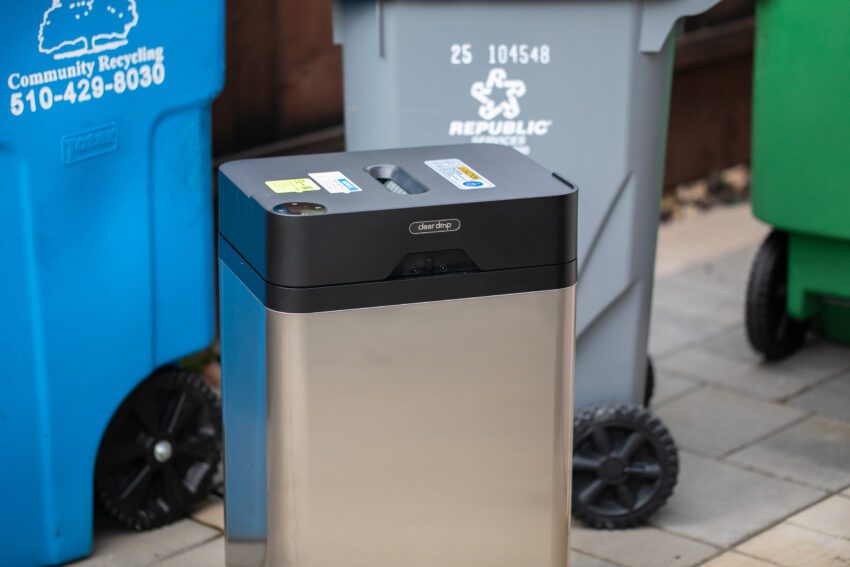
investigating the 61-pound machine that eats plastic Clear Drop’s innovative Soft Plastic Compactor offers a new solution for managing soft plastics, transforming them into compact bricks that can be repurposed rather than discarded.
investigating the 61-pound machine that eats plastic
Understanding the Problem of Soft Plastics
Soft plastics, such as shopping bags, bubble wrap, and food packaging, pose significant challenges in waste management. Unlike rigid plastics, which are often recyclable through curbside programs, soft plastics frequently end up in landfills or, worse, in oceans and other natural habitats. The recycling rates for soft plastics are alarmingly low, with many consumers unsure of how to dispose of them properly.
According to the Environmental Protection Agency (EPA), only about 9% of plastic waste is recycled in the United States. This statistic highlights a critical gap in the recycling system, particularly for soft plastics, which are often labeled as “non-recyclable” by many municipalities. As a result, the need for effective solutions to manage these materials has never been more urgent.
The Clear Drop Solution
Enter Clear Drop’s Soft Plastic Compactor, a 61-pound machine designed to address the soft plastic dilemma. This device allows users to compress their soft plastic waste into bricks weighing approximately three pounds each. The process is straightforward: users feed their soft plastics into the machine, which then compacts them into a dense, manageable form.
How It Works
The operation of the Soft Plastic Compactor is relatively simple. Users begin by collecting their soft plastic waste, which can include:
- Shopping bags
- Food packaging
- Bubble wrap
- Mailers
Once collected, the user places the materials into the machine. The compactor utilizes heat and pressure to transform these items into solid bricks. The resulting bricks can then be stored or transported for further processing, potentially reducing the volume of plastic waste significantly.
Environmental Impact
The environmental implications of this technology are profound. By converting soft plastics into bricks, Clear Drop aims to divert a substantial amount of waste from landfills. The company claims that their process not only reduces the volume of plastic waste but also minimizes the carbon footprint associated with traditional disposal methods.
Moreover, the bricks produced by the compactor can be repurposed for various applications, including construction materials or other products, thereby extending the lifecycle of the plastic. This approach aligns with the principles of a circular economy, where materials are reused and recycled rather than discarded.
Market Reception and Consumer Interest
The introduction of the Soft Plastic Compactor has garnered attention from environmentally conscious consumers and organizations alike. Many individuals, like the author of the original report, take pride in their recycling efforts and are eager to find effective solutions for managing soft plastics. The compactor appeals to this demographic by providing a tangible way to address the issue of plastic waste.
Feedback from early users has been largely positive, with many praising the machine’s efficiency and ease of use. Users appreciate the ability to transform their soft plastics into compact bricks, which can be stored easily until they are ready for disposal or repurposing.
Challenges and Considerations
Despite its promising features, the Soft Plastic Compactor is not without challenges. The initial investment in the machine may be a barrier for some consumers, as the cost can be significant. Additionally, the machine requires a power source, which may limit its accessibility in certain environments.
Furthermore, while the compactor effectively addresses the issue of soft plastics, it does not eliminate the need for broader systemic changes in recycling infrastructure. Many municipalities still lack the facilities to process soft plastics, meaning that even with the compactor, users may face challenges in finding appropriate disposal methods for the bricks produced.
Stakeholder Reactions
Reactions from environmental organizations and industry stakeholders have been mixed. Some groups laud the innovation as a step in the right direction, emphasizing the importance of finding solutions for soft plastics. Others, however, caution against viewing the compactor as a panacea for the plastic waste crisis.
Environmental advocates stress the need for comprehensive policies that address the root causes of plastic pollution, including reducing plastic production and consumption. They argue that while technologies like the Soft Plastic Compactor are valuable, they should be part of a broader strategy that includes reducing reliance on single-use plastics and improving recycling systems.
Future Implications
The introduction of the Soft Plastic Compactor could signal a shift in how consumers and businesses approach plastic waste. As awareness of the environmental impact of plastics continues to grow, innovative solutions like this compactor may inspire further developments in waste management technologies.
Moreover, the success of the Soft Plastic Compactor could encourage other companies to explore similar technologies, potentially leading to a wider range of options for consumers looking to manage their plastic waste responsibly. This could foster a culture of innovation in the recycling sector, driving advancements that benefit both the environment and the economy.
Conclusion
Clear Drop’s Soft Plastic Compactor represents a significant advancement in the ongoing battle against plastic waste. By providing a means to transform soft plastics into compact bricks, the machine offers a practical solution for consumers eager to reduce their environmental impact. However, it is essential to recognize that while such innovations are valuable, they must be part of a comprehensive approach to tackling the plastic crisis.
As society continues to grapple with the challenges posed by plastic waste, solutions like the Soft Plastic Compactor will play a crucial role in shaping the future of recycling and waste management. The hope is that this technology will inspire further innovations and encourage a collective effort to create a more sustainable world.
Source: Original report
Was this helpful?
Explore more: More Consumer Technology Tech News Blog
Last Modified: March 2, 2026 at 8:37 pm
58 views