internet archive s big battle with music A significant legal battle between the Internet Archive and major music publishers has concluded with a settlement regarding the preservation of early music recordings.
internet archive s big battle with music
Background of the Dispute
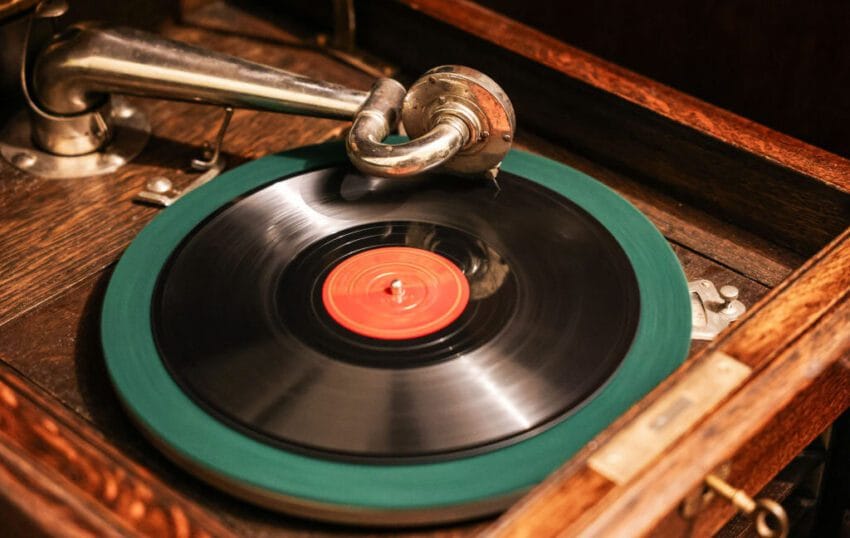
The Internet Archive, a nonprofit digital library, has been at the forefront of efforts to preserve cultural artifacts, including music. One of its notable initiatives is the Great 78 Project, which aims to digitize and preserve early music recordings that exist solely on fragile shellac records. These recordings, often dating back to the early 20th century, are at risk of being lost forever due to their deteriorating physical condition.
In 2020, the Internet Archive faced legal challenges when several prominent music publishers, including UMG Recordings, Capitol Records, and Sony Music Entertainment, filed a lawsuit against it. The lawsuit claimed that the Great 78 Project infringed on copyright laws by digitizing and distributing these recordings without proper authorization. The plaintiffs argued that the unauthorized distribution of these recordings undermined their rights and the financial interests of the music industry.
The Great 78 Project
The Great 78 Project was launched by the Internet Archive to address the preservation of these early recordings. Many of these shellac records are not only fragile but also represent a significant part of music history, capturing the sounds of artists and genres that have largely faded from public consciousness. The project aims to digitize these recordings, making them accessible to the public while preserving the original audio quality.
As part of the project, the Internet Archive has collaborated with recording engineer George Blood, who has played a crucial role in the digitization process. Blood’s expertise in audio restoration has helped ensure that the recordings are preserved in a way that maintains their historical integrity. However, the involvement of Blood and the Internet Archive in this preservation effort became a focal point in the legal dispute.
The Legal Proceedings
The lawsuit filed by the music publishers raised important questions about copyright law, particularly in relation to the preservation of cultural artifacts. The plaintiffs argued that the Internet Archive’s actions constituted copyright infringement, as they were distributing recordings without the necessary permissions. This legal battle highlighted the tension between the need to preserve cultural heritage and the rights of copyright holders.
In the months leading up to the settlement, the legal proceedings revealed differing perspectives on the issue. While the music publishers maintained that their rights were being violated, advocates for the Internet Archive argued that the digitization of these recordings served a greater public good. They contended that preserving these historical recordings was essential for future generations and that the Internet Archive’s efforts aligned with the principles of fair use.
Settlement Announcement
On Monday, a court filing confirmed that the Internet Archive and the involved music publishers had reached a settlement. While specific details of the agreement have not been disclosed, the filing indicated that the parties had “settled this matter.” This announcement came as a relief to many who had been closely following the case, as it marked the end of a contentious legal battle.
In the days leading up to the settlement, there were indications that a resolution was on the horizon. Reports suggested that all parties involved, except for the Internet Archive and its founder, Brewster Kahle, had agreed to a joint settlement. This included George Blood, the recording engineer associated with the Great 78 Project, who had also been named in the litigation. The fact that a resolution was reached without further legal escalation was seen as a positive development by many in the preservation community.
Implications of the Settlement
The settlement carries significant implications for both the Internet Archive and the music industry. For the Internet Archive, the resolution allows it to continue its mission of preserving cultural artifacts without the looming threat of legal repercussions. The organization has long been a champion of open access to information and cultural heritage, and this settlement reinforces its commitment to these principles.
For the music publishers, the settlement may signal a recognition of the importance of preserving historical recordings, even as they seek to protect their copyright interests. The outcome of this case could pave the way for future collaborations between preservation organizations and the music industry, fostering a more cooperative approach to the digitization and distribution of historical recordings.
Stakeholder Reactions
The reactions to the settlement have been varied, reflecting the complex nature of the issues at play. Advocates for digital preservation have expressed relief that the Internet Archive can continue its work without the threat of litigation. Many see the settlement as a victory for cultural preservation, emphasizing the importance of making historical recordings accessible to the public.
On the other hand, representatives from the music industry may view the settlement as a necessary compromise. While they have a vested interest in protecting their copyrights, there is also an acknowledgment of the value of preserving musical heritage. The settlement may encourage music publishers to explore more collaborative approaches to digitization, potentially leading to agreements that allow for the preservation of recordings while respecting copyright laws.
Future of the Great 78 Project
With the legal battle behind them, the Internet Archive can now focus on the future of the Great 78 Project. The initiative has already made significant strides in digitizing early recordings, and the settlement may provide the organization with renewed momentum to expand its efforts. The Internet Archive has indicated that it will continue to work on preserving these recordings, ensuring that they remain accessible to the public.
As the project progresses, it will be essential for the Internet Archive to navigate the complexities of copyright law carefully. While the settlement has resolved the immediate legal challenges, the broader questions surrounding copyright and preservation remain. The Internet Archive may need to engage in ongoing discussions with music publishers to establish clear guidelines for future digitization efforts.
Looking Ahead
The resolution of this legal dispute marks a pivotal moment in the ongoing conversation about copyright, preservation, and access to cultural heritage. As technology continues to evolve, the challenges associated with preserving historical recordings will likely persist. However, the settlement serves as a reminder of the importance of collaboration between preservation organizations and copyright holders.
In the coming months, more details about the settlement may emerge as the parties submit filings to officially dismiss the lawsuit. While it is unlikely that the settlement amount will be disclosed, the implications of this case will continue to resonate within the music industry and the preservation community.
As the Internet Archive moves forward with its mission, the Great 78 Project stands as a testament to the importance of preserving cultural heritage for future generations. The settlement not only allows for the continuation of this vital work but also opens the door for potential collaborations that could benefit both the preservation community and the music industry.
Was this helpful?
Explore more: More General Technology Tech News Blog
Last Modified: September 16, 2025 at 5:39 am
19 views