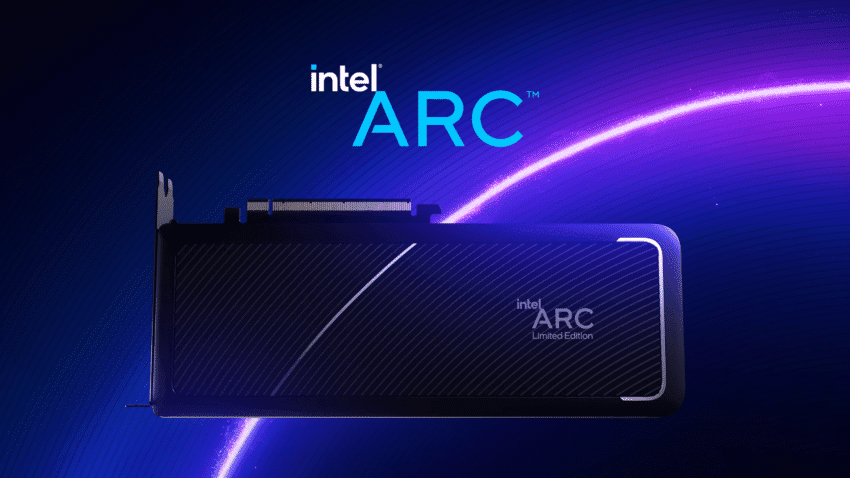
intel says arc gpus will live on Intel has confirmed that its Arc GPU line will continue to exist despite a new collaboration with Nvidia that will see Nvidia’s graphics technology integrated into Intel’s CPU offerings.
intel says arc gpus will live on
Intel and Nvidia Collaboration: A New Era for CPUs
In a significant shift in the landscape of computing hardware, Intel has announced a partnership with Nvidia that will allow the integration of Nvidia’s graphics technology into Intel’s CPUs. This collaboration, confirmed by Nvidia CEO Jensen Huang, involves the use of “GPU chiplets” that Intel can place alongside its x86 CPU cores. This marks a notable departure from Intel’s previous strategy of relying solely on its in-house developed Arc integrated graphics.
What Are GPU Chiplets?
GPU chiplets are modular components that can be integrated into various systems, allowing for greater flexibility and performance. By utilizing chiplets, Intel aims to enhance the graphical capabilities of its processors without the need for a complete overhaul of its existing architecture. This modular approach could lead to more efficient designs and potentially lower production costs, as manufacturers can mix and match components based on specific needs.
Intel’s Commitment to Arc GPUs
Despite the new partnership with Nvidia, Intel has reassured stakeholders that its Arc GPU line will not be phased out. “We’re not discussing specific roadmaps at this time, but the collaboration is complementary to Intel’s roadmap, and Intel will continue to have GPU product offerings,” an Intel spokesperson stated. This commitment echoes sentiments previously expressed by Michelle Johnston Holthaus, who was the head of Intel’s Client Computing Group before her abrupt departure from the company.
Market Context: Intel’s Challenges and Opportunities
Intel’s decision to collaborate with Nvidia comes at a time when the company is facing significant challenges in the competitive landscape of the semiconductor industry. Historically, Intel has dominated the CPU market, but in recent years, it has struggled to keep pace with rivals like AMD and Nvidia. The rise of AMD’s Ryzen processors and Nvidia’s powerful GPUs has put pressure on Intel to innovate and adapt.
Financial Implications
Intel has been carving off pieces of its business to save on costs, which raises questions about its commitment to developing its own graphics technology. Analysts have expressed skepticism about whether Intel will invest heavily in its GPU division when Nvidia is already a leader in that space. “Why would Intel invest significant resources into catching up with Nvidia and AMD when Nvidia is no longer truly a competitor?” one industry analyst remarked. This skepticism is compounded by Intel’s recent financial struggles, which have led to layoffs and restructuring efforts.
Potential for Future Success
Despite these challenges, there remains a glimmer of hope for Intel’s graphics division. The company has had some successes with its Arc GPUs, such as the B580, which received positive reviews for its performance. Additionally, the follow-up to MSI’s Claw handheld has shown that Intel can still produce competitive graphics solutions. These successes suggest that there may be room for Intel to carve out a niche in the graphics market, even as it collaborates with Nvidia.
Stakeholder Reactions
The announcement of the collaboration has elicited mixed reactions from stakeholders in the tech industry. Some view it as a pragmatic move that allows Intel to leverage Nvidia’s expertise while still maintaining its own product offerings. Others, however, are concerned that this partnership could dilute Intel’s focus on its graphics division, leading to a decline in innovation.
Industry Analysts Weigh In
Industry analysts have been vocal about their concerns regarding Intel’s future in the graphics market. Many believe that the collaboration with Nvidia could lead to a scenario where Intel becomes overly reliant on Nvidia’s technology, potentially stifling its own innovation. “If Intel leans too heavily on Nvidia, it risks losing its identity in the graphics space,” one analyst cautioned.
Consumer Perspective
From a consumer standpoint, the collaboration could yield benefits in terms of performance and efficiency. By integrating Nvidia’s advanced graphics technology, Intel could produce CPUs that deliver superior performance for gaming and other graphics-intensive applications. This could be particularly appealing to gamers and content creators who demand high-performance hardware.
Looking Ahead: The Future of Intel’s Graphics Division
As Intel moves forward with its collaboration with Nvidia, the future of its graphics division remains uncertain. While the company has committed to maintaining its Arc GPU line, the extent to which it will invest in this division is still unclear. The partnership with Nvidia could provide Intel with the resources and technology it needs to compete more effectively in the graphics market, but it also raises questions about the company’s long-term strategy.
Innovation and Development
For Intel to remain competitive, it will need to continue investing in research and development for its graphics technology. This includes not only improving the performance of its existing Arc GPUs but also exploring new technologies and architectures that could set it apart from competitors. The company has a long history of innovation, and many in the industry are hopeful that it can leverage this legacy to regain its footing in the graphics market.
Collaboration vs. Competition
The collaboration with Nvidia presents a unique opportunity for Intel to learn from one of the leaders in the graphics space. However, it also raises the question of how Intel will balance collaboration with competition. As the industry evolves, Intel will need to find ways to differentiate its products while still benefiting from Nvidia’s technology. This balancing act will be crucial for the company’s success in the coming years.
Conclusion: A New Chapter for Intel
Intel’s partnership with Nvidia marks a significant turning point for the company as it navigates the complexities of the semiconductor industry. While the collaboration offers potential benefits, it also poses challenges that Intel must address to maintain its position in the market. The future of Intel’s graphics division will depend on its ability to innovate while leveraging the strengths of its partnership with Nvidia. As the tech landscape continues to evolve, all eyes will be on Intel to see how it adapts and thrives in this new environment.
Source: Original report
Was this helpful?
Explore more: More Hardware & Devices Tech News Blog
Last Modified: September 19, 2025 at 3:36 am
8 views