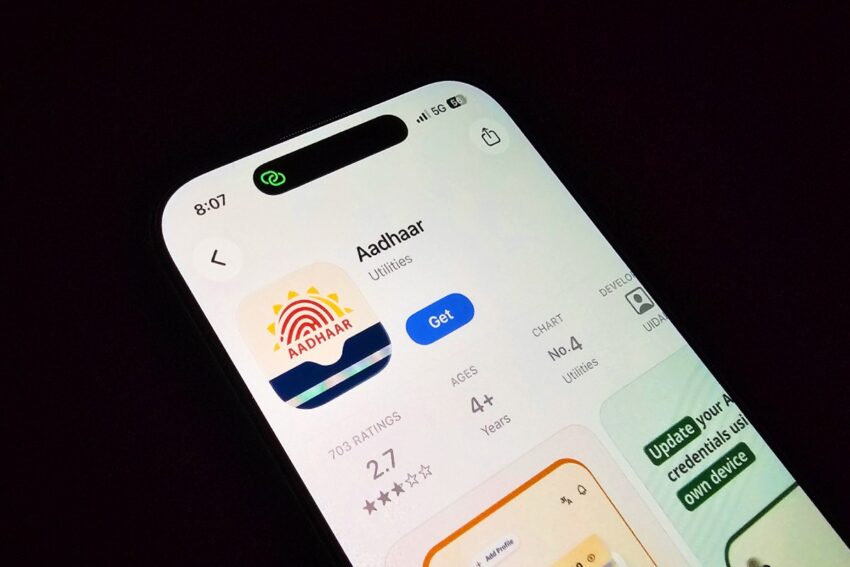
india makes aadhaar more ubiquitous but critics India’s Aadhaar system is set to expand its reach into various sectors, including digital wallets, hospitality, and law enforcement, through the introduction of a new application, raising significant concerns about data security and privacy.
india makes aadhaar more ubiquitous but critics
Overview of Aadhaar’s Expansion
Aadhaar, India’s biometric identification system, has been a cornerstone of the country’s digital identity framework since its inception in 2009. With over 1.3 billion residents enrolled, it is the world’s largest biometric database. The recent announcement regarding the integration of Aadhaar into wallets, hotels, and policing signifies a pivotal shift in how personal identification is utilized across different sectors.
New Application Features
The newly launched application aims to streamline various processes by allowing users to authenticate their identity seamlessly. Key features of the app include:
- Digital Wallet Integration: Users can link their Aadhaar numbers to digital wallets, facilitating quick and secure transactions.
- Hotel Check-Ins: The app enables guests to verify their identities upon arrival, potentially reducing check-in times and enhancing security.
- Policing and Law Enforcement: The application is designed to assist law enforcement agencies in verifying identities during investigations and routine checks.
This expansion is part of a broader initiative by the Indian government to enhance the efficiency of public services and improve user experiences across various sectors. However, the implications of such widespread data sharing are complex and multifaceted.
Privacy and Security Concerns
Despite the potential benefits of the Aadhaar system, critics have raised alarms regarding privacy and security. The integration of Aadhaar into everyday applications poses significant risks, particularly concerning data breaches and unauthorized access.
Data Breaches and Unauthorized Access
One of the primary concerns revolves around how data shared through the new app will be protected. Critics argue that the existing infrastructure may not be robust enough to prevent breaches or leaks. Instances of data breaches have been reported in the past, raising questions about the adequacy of security measures in place.
In 2018, a significant data leak exposed sensitive information of millions of Aadhaar users, leading to widespread criticism of the system’s security protocols. Although the Unique Identification Authority of India (UIDAI), which oversees Aadhaar, has implemented various measures to enhance security, the fear of future breaches remains prevalent.
Legal and Ethical Implications
The legal framework surrounding Aadhaar also raises concerns. The Supreme Court of India ruled in 2018 that Aadhaar is constitutionally valid but imposed restrictions on its mandatory use. Critics argue that the new app could lead to a de facto mandatory adoption, undermining the court’s ruling and infringing on individual privacy rights.
Furthermore, the ethical implications of using biometric data for identification in sensitive areas such as policing are significant. The potential for misuse of data by law enforcement agencies poses a threat to civil liberties, particularly for marginalized communities who may already be disproportionately affected by surveillance practices.
Stakeholder Reactions
The rollout of the new Aadhaar app has elicited a range of reactions from various stakeholders, including government officials, privacy advocates, and the general public.
Government Perspective
Government officials have largely framed the expansion of Aadhaar as a necessary step towards modernization and efficiency. They argue that the integration of Aadhaar into various sectors will enhance service delivery and reduce fraud. A senior official from the UIDAI stated, “The Aadhaar app will revolutionize how we interact with services, making processes faster and more secure.” This perspective emphasizes the potential benefits of Aadhaar while downplaying the associated risks.
Privacy Advocates’ Concerns
Conversely, privacy advocates have expressed strong opposition to the expansion of Aadhaar. Organizations such as the Internet Freedom Foundation and the Association for Progressive Communications have criticized the government’s approach, arguing that it prioritizes efficiency over individual rights. They have called for greater transparency regarding how data will be used and protected, urging the government to implement stricter regulations to safeguard user privacy.
Public Sentiment
The general public’s reaction to the Aadhaar app is mixed. While some individuals appreciate the convenience and efficiency that the app promises, others remain skeptical about the security of their personal information. A survey conducted by a leading research firm revealed that approximately 60% of respondents expressed concerns about the safety of their biometric data.
International Context
The expansion of Aadhaar into various sectors is not an isolated phenomenon. Similar biometric identification systems have been implemented in other countries, often accompanied by privacy concerns. For example, China’s social credit system utilizes biometric data to monitor citizens’ behavior, raising alarms about surveillance and state control.
In contrast, countries like Germany and Canada have adopted stricter regulations regarding biometric data usage, emphasizing the importance of privacy and individual rights. The differing approaches highlight the ongoing global debate surrounding the balance between technological advancement and personal privacy.
Future Implications
The future of Aadhaar and its integration into various sectors will likely depend on how effectively the government addresses privacy and security concerns. As the app gains traction, it will be crucial for the UIDAI to demonstrate its commitment to protecting user data and ensuring transparency in its operations.
Potential Regulatory Changes
In light of the criticisms surrounding Aadhaar, there may be calls for regulatory changes to enhance data protection. The government could consider implementing stricter guidelines for data sharing, requiring explicit consent from users before their information is utilized. Additionally, establishing an independent oversight body to monitor Aadhaar’s implementation could help alleviate concerns regarding misuse and data breaches.
Technological Innovations
Technological advancements may also play a role in enhancing the security of Aadhaar. Innovations such as encryption and decentralized data storage could mitigate the risks associated with centralized biometric databases. By adopting cutting-edge technologies, the government could bolster user confidence in the system and address privacy concerns more effectively.
Conclusion
The expansion of Aadhaar into wallets, hotels, and policing through a new app represents a significant development in India’s digital identity landscape. While the potential benefits of increased efficiency and convenience are evident, the accompanying privacy and security concerns cannot be overlooked. As stakeholders continue to voice their opinions, the government’s response will be critical in shaping the future of Aadhaar and its impact on Indian society.
Source: Original report
Was this helpful?
Explore more: More Big Tech & Platforms Tech News Blog
Last Modified: February 10, 2026 at 8:36 am
18 views