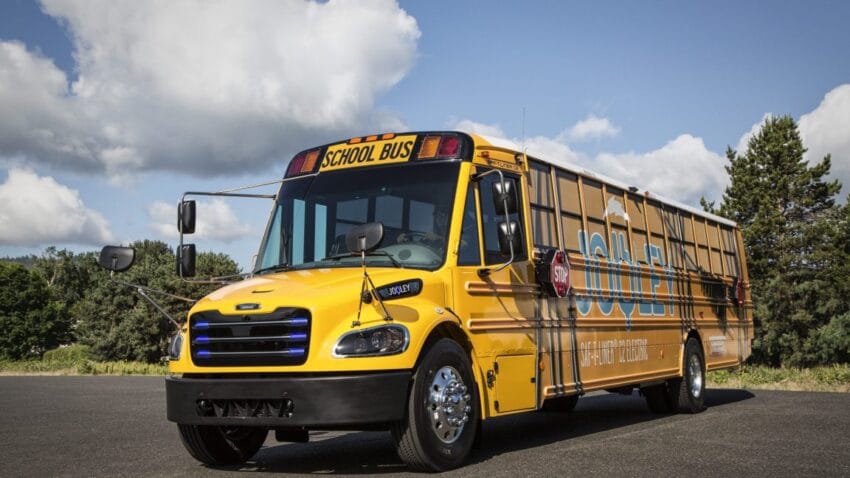
illinois utility tries using electric school buses The largest electric utility in Illinois is launching a groundbreaking pilot program aimed at integrating electric school buses into the grid through bidirectional charging technology.
illinois utility tries using electric school buses
Overview of the Pilot Program
Commonwealth Edison Co. (ComEd) announced in September its initiative to test vehicle-to-grid (V2G) electric school bus charging in collaboration with three school districts in the Chicagoland area. This pilot program marks a significant step in the utility’s efforts to explore innovative energy solutions that could potentially lower costs for consumers and alleviate stress on the electrical grid.
The pilot is particularly noteworthy as it is the first of its kind in northern Illinois, coinciding with the start of the school year. The selected school districts—River Trails, Troy, and Wauconda—have each operated electric buses for over two years, providing a solid foundation for this new initiative. The program aims to assess the functionality of bidirectional chargers, which allow energy to flow both to and from the electric buses, thereby enabling them to act as mobile energy storage units.
Understanding Bidirectional Charging
Bidirectional charging technology is a crucial component of the V2G concept. Unlike traditional chargers that only supply power to the vehicle, bidirectional chargers can also send energy back to the grid. This capability allows electric vehicles (EVs), such as school buses, to discharge stored energy when they are not in use, effectively transforming them into distributed energy resources.
Benefits of Bidirectional Charging
The implications of this technology are significant:
- Cost Savings: By allowing electric buses to return energy to the grid during peak demand times, utilities can reduce the need for expensive peaker plants, which are typically activated to meet high energy demands. This could lead to lower energy costs for consumers.
- Grid Stability: The ability to draw energy from multiple sources, including electric buses, can help stabilize the grid during periods of high demand. This is particularly important as more renewable energy sources are integrated into the grid.
- Environmental Impact: Utilizing electric school buses for V2G applications can reduce reliance on fossil fuels and lower greenhouse gas emissions. This aligns with broader goals of promoting sustainability and reducing carbon footprints.
Implementation and Data Collection
As part of the pilot program, ComEd is currently collecting data from the bidirectional chargers installed at the participating school districts. The testing phase will focus on understanding how effectively the chargers and buses can transfer energy when parked and connected to the grid. This data will be critical in evaluating the overall feasibility and efficiency of the V2G system.
In addition to technical performance, the pilot will also assess user experience and operational logistics. School districts will need to consider how the charging schedules for the buses align with their daily operations, as well as how to manage the buses’ energy storage capabilities effectively.
Challenges and Considerations
While the potential benefits of bidirectional charging are substantial, there are also challenges that must be addressed:
- Infrastructure Requirements: Implementing V2G technology requires significant investment in infrastructure, including the installation of bidirectional chargers and upgrades to existing electrical systems.
- Regulatory Framework: The regulatory landscape for V2G applications is still evolving. Policymakers will need to establish guidelines and incentives that encourage utilities and consumers to adopt this technology.
- Public Awareness: Educating the public about the benefits and functionality of V2G systems is essential for widespread adoption. Stakeholders must work to inform communities about how these systems can enhance energy efficiency and sustainability.
Stakeholder Reactions
The announcement of the pilot program has garnered attention from various stakeholders, including school administrators, environmental advocates, and energy policy experts. Many view this initiative as a promising step toward a more sustainable energy future.
School District Perspectives
Administrators from the participating school districts have expressed enthusiasm about the pilot program. They recognize the dual benefits of providing clean transportation for students while also contributing to energy management efforts. For instance, the ability to utilize electric buses for energy storage could help mitigate operational costs associated with running the school district.
“This program not only supports our commitment to sustainability but also provides an opportunity to educate our students about renewable energy and its importance,” said a representative from one of the participating districts. “We are excited to be part of this innovative project.”
Utility Company Insights
ComEd has also emphasized the importance of this pilot in its broader strategy to modernize the electrical grid. The utility company aims to leverage new technologies to enhance grid reliability and efficiency while also supporting the transition to renewable energy sources.
“As we continue to invest in clean energy solutions, this pilot program represents a significant step forward in integrating electric vehicles into our energy ecosystem,” stated a ComEd spokesperson. “We believe that V2G technology has the potential to transform how we think about energy consumption and distribution.”
Future Implications
The outcomes of this pilot program could have far-reaching implications for the future of energy management in Illinois and beyond. If successful, it may pave the way for similar initiatives across the country, encouraging other utilities to explore V2G applications with electric vehicles.
Moreover, as electric vehicle adoption continues to rise, the integration of V2G technology could play a critical role in managing the increased demand on the electrical grid. This is particularly relevant as states and municipalities set ambitious goals for reducing greenhouse gas emissions and transitioning to renewable energy sources.
Potential for Broader Adoption
Should the pilot program yield positive results, it could inspire further investment in electric vehicle infrastructure and bidirectional charging technology. This could lead to a more extensive network of electric vehicles serving as energy storage units, ultimately contributing to a more resilient and sustainable energy grid.
Conclusion
The pilot program launched by ComEd represents a significant advancement in the integration of electric school buses into the energy grid through bidirectional charging technology. As the utility collects data and evaluates the functionality of this system, the potential benefits for consumers, the environment, and grid stability become increasingly clear. The collaboration with local school districts not only enhances the educational experience for students but also positions Illinois as a leader in innovative energy solutions.
As the pilot progresses, stakeholders will be closely monitoring its outcomes, which could set the stage for a broader adoption of V2G technology across the nation. The intersection of transportation and energy management is poised to reshape the future of how we think about and utilize electric vehicles.
Source: Original report
Was this helpful?
Explore more: DevOps Services More Cloud & DevOps Tech News
Last Modified: October 3, 2025 at 7:36 pm
8 views