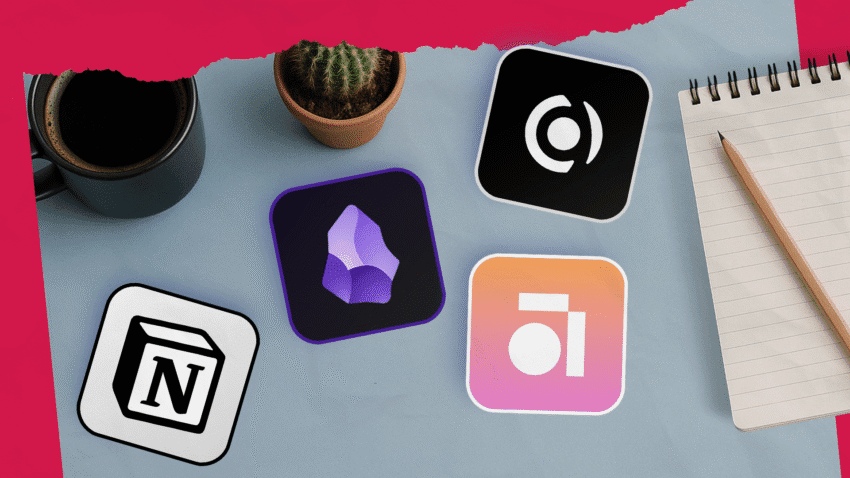
i tried notion obsidian capacities and anytype After a month of extensive testing, I have evaluated four leading personal knowledge management (PKM) apps: Notion, Obsidian, Capacities, and Anytype, using my Google Pixel 8 as the primary device.
i tried notion obsidian capacities and anytype
Understanding Personal Knowledge Management
Personal knowledge management (PKM) refers to the processes and tools individuals use to collect, organize, and utilize information. In an age where information overload is a common challenge, effective PKM systems can enhance productivity, improve learning, and foster creativity. The right PKM app can help users streamline their thoughts, manage projects, and retain knowledge efficiently.
With a plethora of options available, choosing the right PKM app can be daunting. Each app offers unique features, interfaces, and philosophies regarding how users should manage their knowledge. In this article, I will delve into the strengths and weaknesses of Notion, Obsidian, Capacities, and Anytype, providing insights based on my month-long experience with each.
Notion: The All-in-One Workspace
Overview
Notion has gained immense popularity as a versatile workspace that combines note-taking, task management, and database functionalities. Its flexibility allows users to create customized layouts and workflows tailored to their needs.
User Interface and Experience
The user interface of Notion is sleek and modern, making it visually appealing. The drag-and-drop functionality allows for easy organization of content. Users can create pages, sub-pages, and databases, which can be linked together seamlessly. This interconnectedness is one of Notion’s standout features, enabling users to create a web of information that is easy to navigate.
Features
- Templates: Notion offers a wide range of templates for various use cases, from project management to personal journaling.
- Collaboration: The app excels in collaborative features, allowing multiple users to work on the same document in real-time.
- Integration: Notion integrates with various third-party applications, enhancing its functionality.
Limitations
Despite its strengths, Notion has some limitations. The learning curve can be steep for new users, especially those unfamiliar with database concepts. Additionally, while the app is powerful, it can become overwhelming due to its extensive features.
Obsidian: The Markdown Powerhouse
Overview
Obsidian is designed for users who prefer a more text-centric approach to PKM. It uses Markdown for note-taking, allowing for a straightforward and distraction-free writing experience. Obsidian emphasizes the creation of a personal knowledge base through linked notes.
User Interface and Experience
The interface of Obsidian is minimalist, focusing on the content rather than flashy design elements. Users can create notes and link them together using a simple syntax. The graph view feature visually represents the connections between notes, providing an overview of the user’s knowledge landscape.
Features
- Local Storage: Obsidian stores notes locally, ensuring that users have complete control over their data.
- Linking Notes: The ability to create backlinks fosters a network of interconnected ideas, enhancing the user’s understanding of topics.
- Plugins: Obsidian supports a variety of community plugins, allowing users to customize their experience further.
Limitations
While Obsidian is powerful, it may not be suitable for everyone. The reliance on Markdown can be a barrier for users who prefer a more visual approach to note-taking. Additionally, the lack of built-in collaboration features may limit its appeal for team projects.
Capacities: The Visual Organizer
Overview
Capacities takes a unique approach to PKM by focusing on visual organization. It allows users to create visual maps of their thoughts and ideas, making it an excellent choice for visual learners.
User Interface and Experience
The interface of Capacities is intuitive, with a focus on drag-and-drop functionality. Users can create nodes representing ideas and connect them visually. This approach can be particularly beneficial for brainstorming sessions and project planning.
Features
- Visual Mapping: Capacities excels in visual representation, allowing users to see the relationships between ideas at a glance.
- Customizable Nodes: Users can customize nodes with text, images, and links, enhancing the richness of their knowledge maps.
- Collaboration: The app supports collaborative features, making it suitable for team projects.
Limitations
While Capacities offers a fresh take on PKM, it may not be as robust in terms of traditional note-taking features. Users who prefer extensive text-based notes may find it lacking in this area. Additionally, the focus on visual organization may not appeal to everyone.
Anytype: The All-in-One Knowledge Base
Overview
Anytype aims to be a comprehensive knowledge management solution, combining elements from various PKM philosophies. It offers a blend of note-taking, task management, and database functionalities.
User Interface and Experience
The interface of Anytype is user-friendly, with a clean design that promotes ease of use. Users can create notes, tasks, and databases in a straightforward manner. The app’s flexibility allows for a personalized experience, catering to different user preferences.
Features
- Offline Access: Anytype allows users to access their notes and data offline, which can be a significant advantage for those who work in areas with limited internet connectivity.
- Custom Templates: Users can create custom templates for notes and tasks, streamlining their workflows.
- Data Privacy: Anytype emphasizes user privacy, ensuring that data is stored securely.
Limitations
Despite its many features, Anytype is still in development, and some functionalities may not be as polished as those found in more established apps. Users may encounter bugs or limitations as the app continues to evolve.
Comparative Analysis
Each of the four PKM apps offers distinct advantages and drawbacks. The choice ultimately depends on individual preferences and use cases. Here’s a comparative analysis based on key factors:
Ease of Use
Notion and Anytype are user-friendly, with intuitive interfaces that cater to a broad audience. Obsidian’s reliance on Markdown may pose a challenge for some, while Capacities’ visual approach may not suit everyone.
Features
Notion stands out for its extensive feature set, while Obsidian excels in linking notes and local storage. Capacities offers a unique visual mapping experience, and Anytype combines various functionalities into one platform.
Collaboration
If collaboration is a priority, Notion and Capacities are the better choices due to their built-in collaborative features. Obsidian and Anytype may require additional tools for effective teamwork.
Data Privacy
Obsidian and Anytype prioritize user data privacy, with local storage and secure data handling. Notion’s cloud-based model may raise concerns for some users regarding data security.
Conclusion
After a month of testing Notion, Obsidian, Capacities, and Anytype, it is clear that each app has its strengths and weaknesses. Notion is ideal for users seeking an all-in-one workspace with robust collaboration features. Obsidian is perfect for those who prefer a text-centric approach with a focus on linking ideas. Capacities offers a unique visual organization method, while Anytype provides a comprehensive solution with an emphasis on data privacy.
Ultimately, the best PKM app depends on individual needs and preferences. Users should consider their workflow, collaboration requirements, and data privacy concerns when making a decision. As the landscape of personal knowledge management continues to evolve, these four apps represent some of the best options available today.
Source: Original report
Was this helpful?
Explore more: Software Development More Software Development Tech News
Last Modified: October 4, 2025 at 5:40 pm
99 views