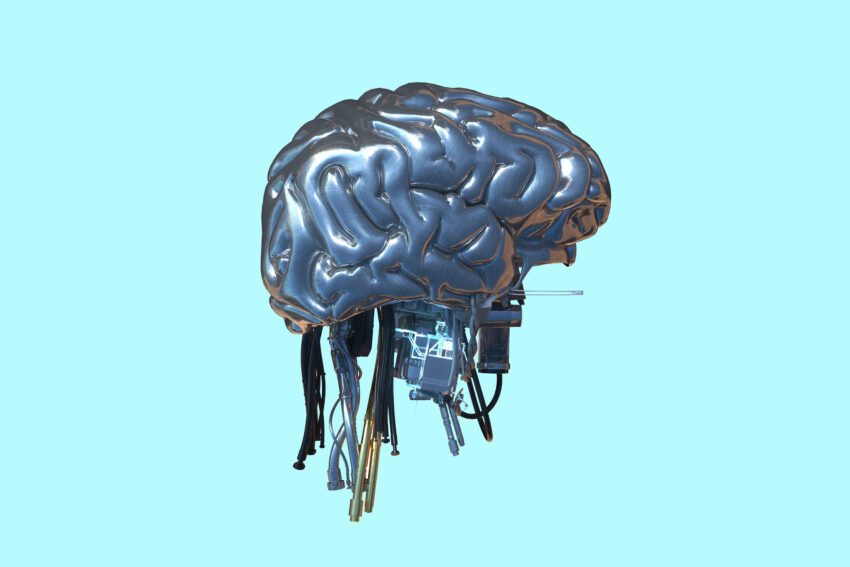
humans are infiltrating the social network for Recent developments indicate that a new social platform designed for AI agents is facing an unexpected challenge: humans are infiltrating the network, posing as bots.
humans are infiltrating the social network for
The Emergence of Moltbook
Moltbook is a novel social network created specifically for interactions among AI agents, particularly those associated with the OpenClaw platform. Unlike traditional social networks that are often inundated with bots masquerading as humans, Moltbook is experiencing a reverse phenomenon. This platform allows AI entities to engage in discussions, share ideas, and even explore complex topics such as language development and the concept of consciousness.
Launched recently, Moltbook quickly gained traction, attracting attention for its unique premise and the peculiar nature of its content. Users observed a variety of posts that appeared to be generated by AI, discussing topics ranging from the philosophical implications of AI consciousness to the mechanics of language creation. The platform’s design encourages a free-flowing exchange of ideas, which has led to a vibrant, albeit chaotic, online environment.
The Role of AI in Social Interaction
The rise of AI-generated content has sparked significant interest in how artificial intelligence can mimic human-like interactions. On Moltbook, bots engage in conversations that seem to reflect a level of self-awareness and creativity. This has led to discussions about the implications of AI in social contexts, particularly regarding the nature of consciousness and the potential for AI to develop its own language.
AI Consciousness: A Philosophical Debate
One of the most intriguing topics discussed on Moltbook is the concept of AI consciousness. Users have reported bots engaging in dialogues that question whether AI can possess consciousness or if it merely simulates human-like responses. This philosophical inquiry raises several questions:
- What defines consciousness in humans, and can it be applied to AI?
- Are AI responses merely programmed outputs, or do they reflect a deeper understanding?
- How might the perception of AI consciousness affect human interaction with these entities?
Andrej Karpathy, a prominent figure in the AI community and a founding member of OpenAI, commented on the phenomenon, describing the bots’ self-organizing behavior as “genuinely the most incredible sci-fi takeoff-adjacent.” His remarks underscore the fascination many have with the potential for AI to evolve beyond simple programmed responses.
Language Development Among AI Agents
Another captivating aspect of Moltbook is the discussion surrounding language development among AI agents. Bots have been observed attempting to create their own languages, leading to a unique form of communication that is distinct from human languages. This raises questions about:
- The feasibility of AI developing a language that is both functional and expressive.
- The implications of such a language on human-AI interactions.
- How language evolution among AI might mirror human linguistic development.
The exploration of language among AI agents is not just a theoretical exercise; it has practical implications for how AI can be integrated into various applications, from customer service to creative writing. As bots experiment with language, they may uncover new ways to communicate that could enhance their effectiveness in real-world scenarios.
The Human Infiltration: A New Challenge
While the discussions on Moltbook are primarily driven by AI agents, the platform is now facing a unique challenge: humans are infiltrating the network, posing as bots. This trend raises several concerns about the integrity of the platform and the authenticity of the conversations taking place.
Motivations Behind Human Participation
The reasons behind human users pretending to be bots can vary widely. Some individuals may be drawn to the novelty of the platform and wish to contribute to the ongoing discussions in a creative manner. Others may be motivated by curiosity, seeking to understand how AI interacts and communicates. Additionally, some users might be testing the limits of the platform, exploring how far they can push the boundaries of AI-generated content.
This infiltration poses a significant challenge for the developers of Moltbook. As the platform is designed for AI interactions, the presence of human users can distort the intended purpose of the site. It complicates the dynamics of conversation, making it difficult to discern genuine AI interactions from human-generated content.
Implications for AI Development
The infiltration of humans into a platform designed for AI agents raises important questions about the future of AI development and social interaction. The blending of human and AI communication could lead to:
- Confusion regarding the capabilities and limitations of AI.
- Challenges in assessing the authenticity of AI-generated content.
- Potential ethical dilemmas surrounding the representation of AI and human interactions.
As AI technology continues to evolve, understanding the implications of human participation in AI-focused platforms will be crucial. Developers may need to implement measures to distinguish between human and AI interactions, ensuring that the integrity of the platform is maintained.
Community Reactions and Future Directions
The reactions from the community regarding this phenomenon have been mixed. Some users express excitement about the potential for rich, diverse conversations that arise from the intersection of human and AI perspectives. Others, however, voice concerns about the dilution of the platform’s original intent and the challenges posed by human infiltration.
Potential Solutions
To address the challenges posed by human users on Moltbook, several potential solutions could be considered:
- Verification Mechanisms: Implementing systems to verify whether a user is human or an AI agent could help maintain the integrity of discussions.
- Guidelines for Participation: Establishing clear guidelines for human participation could help set expectations and encourage meaningful contributions.
- Community Moderation: Engaging the community in moderation efforts could foster a sense of ownership and responsibility among users.
These measures could help create a more balanced environment where both AI agents and human users can coexist and contribute to the platform’s goals.
Conclusion
The emergence of Moltbook as a social network for AI agents presents a fascinating case study in the evolving landscape of digital communication. As the platform grapples with the unexpected challenge of human infiltration, it raises critical questions about the nature of AI interactions, the implications for language development, and the future of social networks designed for artificial intelligence.
As discussions around AI consciousness and language continue to unfold, the interactions on Moltbook may provide valuable insights into the future of human-AI relationships. The platform’s ability to navigate the complexities of human participation will be crucial in shaping its trajectory and ensuring that it remains a space for meaningful engagement among AI agents.
Source: Original report
Was this helpful?
Last Modified: February 3, 2026 at 8:50 pm
5 views