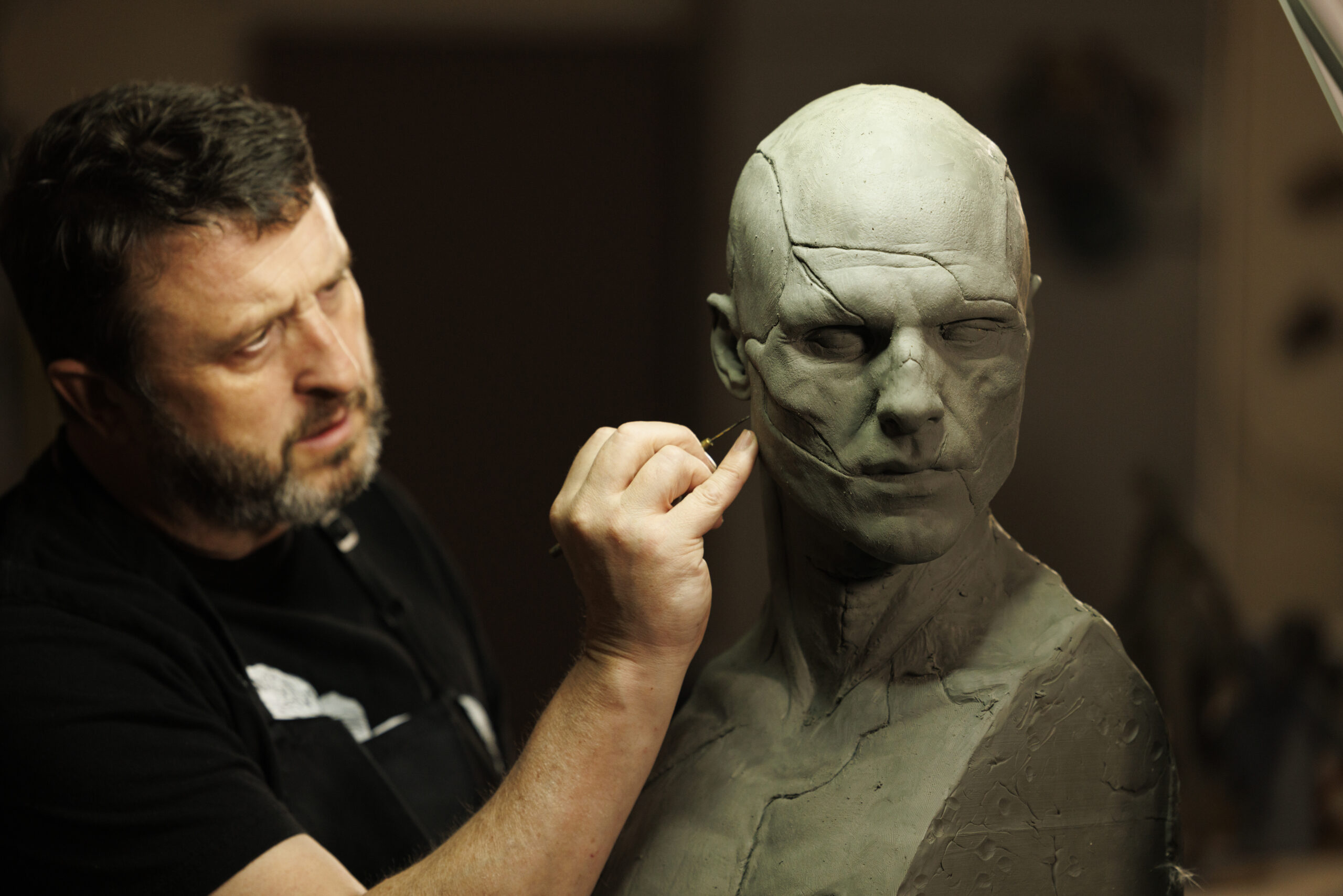
how frankenstein s creature designer found a Mike Hill, a renowned sculptor and special effects artist, has redefined the visual identity of one of cinema’s most iconic monsters through his collaboration with filmmaker Guillermo del Toro.
how frankenstein s creature designer found a
The Genesis of a Collaboration
Years ago, Mike Hill was showcasing his sculptural works at a convention in Burbank, California. It was here that he caught the attention of acclaimed director Guillermo del Toro, known for his unique storytelling and visual artistry. Del Toro, who has a deep appreciation for monsters and the art of creature design, was captivated by Hill’s creations. This encounter marked the beginning of a significant partnership in the realm of creature design.
Hill recalls the moment vividly, noting how del Toro’s interest in his work led to an unexpected connection. “I don’t know how he found me from some 20-year-old website,” Hill remarked, referring to the obscure model kit forum where del Toro discovered his contact information. Hill described del Toro’s investigative efforts as “very Columbo-esque,” highlighting the director’s determination to reach out to him. In his initial message, del Toro introduced himself and expressed his desire to commission a piece from Hill, setting the stage for a fruitful collaboration.
The First Commission
The first project Hill undertook for del Toro was a sculpture of Boris Karloff as Frankenstein’s monster, a character that has become synonymous with horror cinema. This commission not only showcased Hill’s sculpting skills but also established a creative rapport between the two artists. The sculpture was a tribute to the classic portrayal of the creature, emphasizing the emotional depth and tragic nature of the character.
Hill’s approach to creature design is rooted in a deep understanding of the emotional and psychological aspects of the characters he creates. He believes that a successful monster design must resonate with audiences on a human level, evoking empathy rather than just fear. This philosophy aligns closely with del Toro’s own storytelling style, which often explores the complexities of monsters as misunderstood beings.
Redefining the Creature
As Hill and del Toro continued to collaborate, they embarked on a new project that would challenge traditional perceptions of Frankenstein’s creature. This endeavor was part of a larger initiative to reimagine classic monsters for a contemporary audience. The goal was to create a version of the creature that retained its iconic status while also reflecting modern sensibilities.
Hill’s design process involved extensive research into the original literary work by Mary Shelley, as well as various film adaptations. He sought to capture the essence of the creature while infusing it with fresh elements that would resonate with today’s viewers. This approach required a delicate balance between honoring the legacy of the character and introducing innovative design features.
Artistic Inspirations
In developing the new look for Frankenstein’s creature, Hill drew inspiration from a variety of sources. He explored different artistic styles, historical references, and even contemporary cultural influences. This eclectic approach allowed him to create a design that was both timeless and relevant.
One of the key elements Hill focused on was the creature’s physicality. He aimed to convey a sense of vulnerability and humanity, emphasizing the tragic backstory of Frankenstein’s monster. This involved rethinking the creature’s proportions, textures, and overall aesthetic. Hill’s design aimed to evoke sympathy from the audience, inviting them to see the creature not merely as a monster but as a complex character with emotions and desires.
The Role of Technology
In today’s digital age, technology plays a crucial role in the creature design process. Hill utilized advanced sculpting software and 3D printing techniques to bring his vision to life. These tools allowed for greater precision and detail in the design, enabling him to experiment with various forms and textures before finalizing the sculpture.
However, Hill emphasizes that technology should complement traditional artistic skills rather than replace them. He believes that the tactile experience of sculpting by hand is irreplaceable and adds a unique quality to the final piece. This hybrid approach, combining digital and traditional methods, has become a hallmark of contemporary creature design.
Collaboration with Guillermo del Toro
Throughout the design process, Hill maintained close communication with del Toro, who provided valuable insights and feedback. Their collaborative dynamic allowed for a fluid exchange of ideas, resulting in a design that reflected both artists’ visions. Del Toro’s expertise in storytelling and character development enriched Hill’s design, ensuring that the creature would resonate with audiences on multiple levels.
Del Toro’s influence is evident in the emotional depth of the creature’s design. The director’s penchant for exploring the humanity within monsters is mirrored in Hill’s work, creating a cohesive vision that aligns with del Toro’s cinematic style. This partnership exemplifies the power of collaboration in the creative process, where two distinct artistic voices can come together to produce something truly remarkable.
Implications for Creature Design
The reimagining of Frankenstein’s creature has broader implications for the field of creature design and horror cinema. As audiences become more discerning and seek deeper narratives, the demand for complex characters and innovative designs has increased. Hill’s work with del Toro exemplifies this shift, demonstrating that monsters can be more than mere embodiments of fear; they can also serve as vehicles for exploring themes of identity, isolation, and humanity.
This evolution in creature design reflects a changing landscape in the entertainment industry, where filmmakers are increasingly interested in subverting traditional tropes and challenging audience expectations. By reinterpreting iconic characters like Frankenstein’s monster, artists like Hill and del Toro are paving the way for a new era of storytelling that prioritizes emotional resonance and character development.
Stakeholder Reactions
The response to Hill’s new design for Frankenstein’s creature has been overwhelmingly positive, with both fans and critics praising the fresh take on a classic character. Many have noted the emotional depth and complexity of the design, highlighting how it aligns with contemporary themes of empathy and understanding.
Industry professionals have also expressed admiration for the collaboration between Hill and del Toro. Their partnership is seen as a model for how artists can work together to push the boundaries of creature design and storytelling. As the demand for innovative content continues to grow, the success of this collaboration may inspire other filmmakers and artists to explore similar avenues in their own work.
The Future of Creature Design
Looking ahead, Mike Hill’s work with Guillermo del Toro serves as a blueprint for the future of creature design in cinema. As technology continues to evolve and audiences seek more nuanced narratives, the possibilities for reimagining classic monsters are virtually limitless. Hill’s approach, which combines traditional artistry with modern techniques, sets a standard for aspiring creature designers and filmmakers alike.
Moreover, the collaboration between Hill and del Toro underscores the importance of emotional storytelling in the horror genre. As filmmakers increasingly recognize the value of character-driven narratives, we can expect to see more innovative designs that challenge conventional notions of monsters. This shift has the potential to reshape the landscape of horror cinema, inviting audiences to engage with characters in new and meaningful ways.
Conclusion
Mike Hill’s journey as a creature designer, particularly in his collaboration with Guillermo del Toro, highlights the transformative power of artistic partnerships. By reimagining Frankenstein’s creature, Hill has not only breathed new life into an iconic character but has also contributed to a broader conversation about the role of monsters in storytelling. As the industry continues to evolve, the legacy of this collaboration will undoubtedly influence future generations of artists and filmmakers, inspiring them to explore the depths of character and emotion within the realm of creature design.
Source: Original report
Was this helpful?
Explore more: More General Technology Tech News Blog
Last Modified: November 3, 2025 at 6:36 pm
19 views