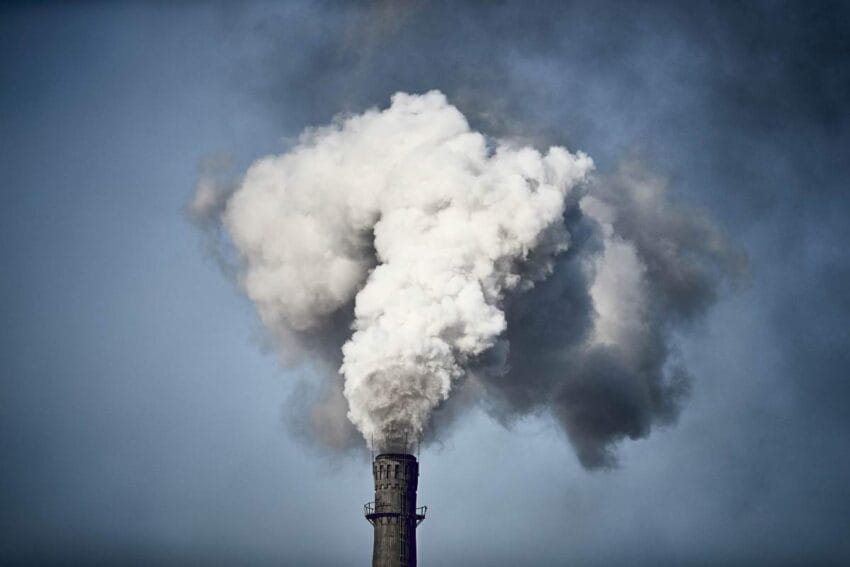
how al gore used ai to track A groundbreaking initiative by Climate Trace enables the tracking of fine particulate matter (PM2.5), a significant contributor to global mortality rates.
how al gore used ai to track
Understanding PM2.5 and Its Global Impact
Fine particulate matter, commonly referred to as PM2.5, consists of tiny particles that are less than 2.5 micrometers in diameter. These particles can penetrate deep into the lungs and even enter the bloodstream, leading to severe health complications. According to the World Health Organization (WHO), PM2.5 is responsible for approximately 10 million deaths each year, making it one of the leading environmental health risks globally.
The sources of PM2.5 are varied and include vehicle emissions, industrial processes, agricultural burning, and even natural events like wildfires. Understanding the origins and pathways of these particles is crucial for public health and environmental policy. This is where Climate Trace’s new tool comes into play, providing a comprehensive solution to track and analyze PM2.5 emissions.
Climate Trace: A Revolutionary Approach
Founded with the mission to provide transparent data on greenhouse gas emissions, Climate Trace is leveraging advanced artificial intelligence (AI) technologies to enhance its tracking capabilities. The organization aims to create a more informed public and empower policymakers with actionable data. The new tool developed by Climate Trace allows users to monitor PM2.5 emissions in real-time, offering insights into where these pollutants are originating and how they disperse across different regions.
The Technology Behind the Tool
The innovative tool utilizes a combination of satellite data, machine learning algorithms, and ground-based observations to track PM2.5 emissions. By analyzing vast amounts of data, the AI can identify patterns and sources of pollution with remarkable accuracy. This technology not only provides a clearer picture of PM2.5 emissions but also helps in understanding their impact on air quality and public health.
Key features of the tool include:
- Real-Time Tracking: Users can access up-to-date information on PM2.5 levels in various locations, allowing for timely interventions.
- Source Identification: The AI can pinpoint specific sources of emissions, whether they are industrial facilities, transportation networks, or natural events.
- Health Impact Assessments: The tool provides estimates of health risks associated with PM2.5 exposure, helping communities understand the stakes involved.
Implications for Public Health and Policy
The introduction of this tracking tool has significant implications for public health and environmental policy. By providing granular data on PM2.5 emissions, Climate Trace empowers communities and governments to take informed actions to mitigate pollution. This data can be instrumental in shaping regulations, enforcing compliance, and promoting public awareness.
Community Engagement and Awareness
One of the most powerful aspects of the Climate Trace tool is its potential to engage communities. By making data accessible, individuals can better understand the air quality in their regions and advocate for cleaner air. This grassroots engagement is essential for driving change at the local level, as communities can hold polluters accountable and push for stronger regulations.
Policy Development
Policymakers can utilize the data provided by the Climate Trace tool to develop targeted interventions. For instance, if a specific industrial area is identified as a significant source of PM2.5 emissions, local governments can implement stricter regulations or incentivize cleaner technologies. This data-driven approach can lead to more effective and efficient environmental policies.
Stakeholder Reactions
The launch of the Climate Trace tool has garnered attention from various stakeholders, including environmental activists, public health officials, and industry representatives. Many see it as a critical step towards greater transparency and accountability in pollution management.
Environmental Activists
Environmental activists have welcomed the tool as a means to enhance public awareness and drive action against pollution. They argue that access to real-time data will empower communities to demand cleaner air and hold polluters accountable. Activists believe that this transparency is essential for fostering a culture of environmental responsibility.
Public Health Officials
Public health officials are particularly interested in the health impact assessments provided by the tool. By understanding the correlation between PM2.5 levels and health outcomes, they can better allocate resources and develop targeted health interventions. This data can also support public health campaigns aimed at reducing exposure to harmful pollutants.
Industry Perspectives
While many in the industry recognize the importance of addressing PM2.5 emissions, there are concerns about the potential for increased regulation. Industry representatives argue that while transparency is essential, it should be balanced with considerations for economic viability. They advocate for collaborative approaches that involve industry stakeholders in the development of regulations, ensuring that solutions are both effective and feasible.
Future Directions and Challenges
While the Climate Trace tool represents a significant advancement in tracking PM2.5 emissions, several challenges remain. The accuracy of the data relies heavily on the quality of satellite and ground-based observations. Continuous improvements in technology and data collection methods will be necessary to enhance the tool’s effectiveness.
Expanding Data Sources
To improve the accuracy and comprehensiveness of PM2.5 tracking, Climate Trace may need to expand its data sources. Collaborating with local governments, research institutions, and community organizations can enhance the quality of data collected. Additionally, integrating data from various sensors and monitoring stations can provide a more holistic view of air quality.
Addressing Global Disparities
Another challenge is addressing global disparities in data availability. While some regions may have robust monitoring systems, others may lack the necessary infrastructure. Climate Trace will need to work towards ensuring that all communities, regardless of their economic status, have access to accurate air quality data. This may involve partnerships with international organizations and funding agencies to support monitoring efforts in underserved areas.
Conclusion
The launch of Climate Trace’s PM2.5 tracking tool marks a significant milestone in the fight against air pollution and its associated health risks. By harnessing the power of AI and satellite technology, the tool provides unprecedented access to data that can inform public health initiatives and environmental policies. As communities and policymakers begin to utilize this information, the potential for meaningful change in air quality and public health outcomes is immense.
As the world grapples with the ongoing challenges of climate change and pollution, tools like those developed by Climate Trace will be essential for driving accountability and fostering a cleaner, healthier environment for future generations.
Source: Original report
Was this helpful?
Explore more: AI Automation Services More AI & Automation Tech News
Last Modified: September 24, 2025 at 3:35 pm
14 views