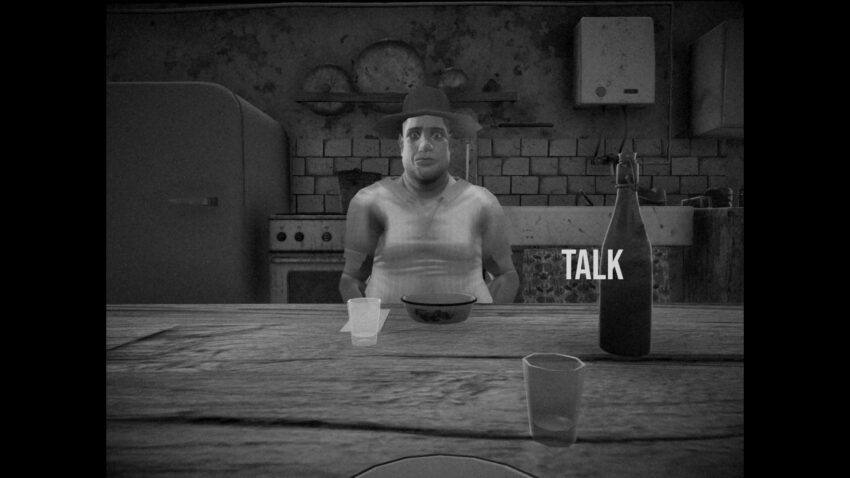
horses deserves to be played even if Horses has emerged as a significant focal point in the ongoing debate surrounding video game censorship and the definition of artistic expression in the gaming industry.
horses deserves to be played even if
Background on Horses
Developed by the indie studio Santa Ragione in collaboration with Italian filmmaker Andrea Lucco Bolera, Horses is a narrative horror game that has stirred considerable controversy since its release. Bolera not only wrote the game but also directed and acted in its full-motion video (FMV) cutscenes, which are integral to the storytelling experience. The game combines elements of horror with a unique narrative style, aiming to provoke thought and discussion among players.
Censorship and Bans
Horses faced significant hurdles when it was banned from major platforms like Steam and the Epic Game Store. These bans were primarily attributed to the game’s content, which some deemed inappropriate or offensive. The decision to remove Horses from these platforms ignited a firestorm of debate within the gaming community, raising questions about what constitutes acceptable content in video games and who gets to make those decisions.
Community Response
In the wake of its bans, Horses found an unexpected ally in the gaming community. The game quickly rose to become a bestseller on GOG.com, a platform known for its more lenient stance on content regulation. This surge in popularity can be seen as a form of protest against censorship, with gamers rallying to support a title that they believe deserves to be played, regardless of its quality. The situation has united players across various demographics, from casual gamers to hardcore enthusiasts, all advocating for creative freedom in the medium.
The Artistic Debate
The controversy surrounding Horses has sparked a broader discussion about the nature of art in video games. Many supporters argue that the game’s narrative and artistic intentions should be valued over its gameplay mechanics. They contend that video games, like any other form of art, should be allowed to explore complex and sometimes uncomfortable themes without fear of censorship.
What Makes a Game “Good”?
While Horses has garnered significant attention, opinions on its quality as a game are mixed. Critics argue that the gameplay itself does not live up to the hype generated by its narrative and thematic elements. The mechanics may feel clunky or underdeveloped, leading some to question whether the game truly deserves the accolades it has received. This raises an important question: can a game be considered “good” if its narrative and artistic ambitions overshadow its gameplay?
Supporters vs. Critics
Supporters of Horses often cite the emotional impact of its story and the boldness of its themes as reasons for its merit. They argue that the game challenges players to confront difficult subjects, making it a valuable addition to the medium. Critics, however, point to the lack of engaging gameplay as a significant drawback, suggesting that the game may not be worth the time investment for those seeking a traditional gaming experience.
Implications for the Gaming Industry
The bans and subsequent success of Horses have significant implications for the gaming industry as a whole. The situation highlights the ongoing tension between creative expression and commercial viability. As more games tackle controversial subjects, developers may find themselves navigating a complex landscape of content regulation and audience expectations.
Future of Censorship in Gaming
The response to Horses could signal a shift in how censorship is approached in the gaming industry. As players increasingly advocate for creative freedom, platforms may need to reconsider their policies regarding content moderation. This could lead to a more diverse range of games being available, allowing for a broader spectrum of artistic expression.
Stakeholder Reactions
Reactions from various stakeholders in the gaming industry have been mixed. Some developers have expressed support for Horses, viewing its bans as an infringement on artistic freedom. Others, however, have been more cautious, emphasizing the importance of balancing creative expression with community standards and expectations. This divide illustrates the complexities of navigating the gaming landscape in an era where content can easily go viral, for better or worse.
The Role of Indie Games
Horses also underscores the vital role of indie games in pushing the boundaries of what video games can be. Independent developers often have more freedom to explore unconventional themes and narratives, unencumbered by the constraints typically imposed by larger studios. This freedom allows for innovative storytelling and gameplay experiences that challenge traditional norms.
Innovation vs. Commercial Success
While indie games like Horses can innovate and provoke thought, they often face challenges in achieving commercial success. The financial viability of such projects can be precarious, especially when they tackle controversial subjects. The success of Horses on GOG.com may serve as a beacon of hope for other indie developers, demonstrating that there is an audience willing to support bold artistic endeavors.
Conclusion
In summary, Horses has become a symbol of the ongoing struggle for artistic expression in the gaming industry. While the game itself may not be universally praised for its gameplay, its narrative and thematic ambitions have resonated with many players. The bans it faced have sparked a broader conversation about censorship, artistic freedom, and the role of indie games in shaping the future of the medium. As the gaming landscape continues to evolve, the lessons learned from Horses may pave the way for more diverse and thought-provoking experiences in the years to come.
Source: Original report
Was this helpful?
Explore more: More Gaming Tech News Blog
Last Modified: December 6, 2025 at 7:39 pm
18 views