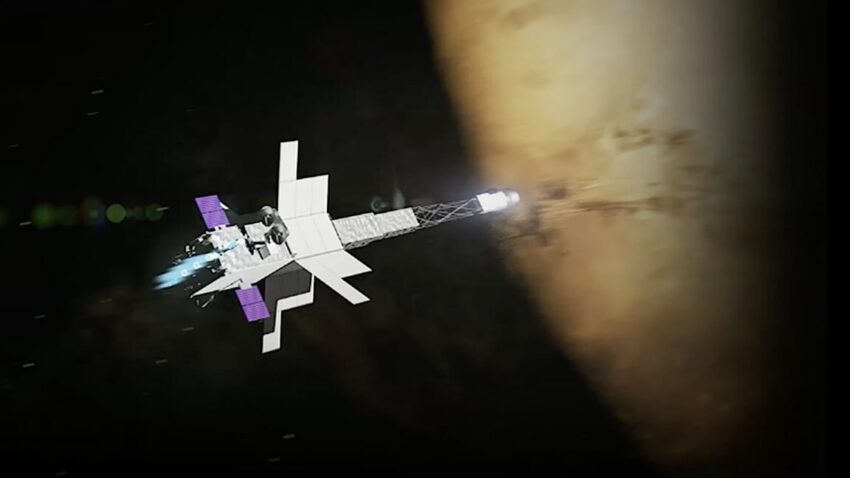
here is nasa s plan for nuking NASA has announced a significant shift in its lunar exploration strategy, opting to “pause” work on the Gateway lunar space station while redirecting its focus toward establishing a surface base on the Moon.
here is nasa s plan for nuking
Background on the Gateway Program
The Gateway program was initiated in 2019 as part of NASA’s Artemis program, which aims to return humans to the Moon and eventually facilitate missions to Mars. The Gateway was envisioned as a critical component of this strategy, serving as a lunar orbiting outpost that would support crewed missions and act as a staging point for deeper space exploration.
Since its inception, NASA has invested approximately $4.5 billion into the Gateway program. This funding has gone towards the development of various components of the station, which are currently in different stages of construction and testing across multiple facilities worldwide. The Gateway was designed to enhance lunar exploration by providing a platform for scientific research and technology demonstrations, as well as a base for astronauts to conduct surface missions on the Moon.
Recent Developments
On Tuesday, NASA revealed its updated exploration roadmap during an event held at its headquarters in Washington, D.C. This announcement included the decision to pause work on the Gateway, a move that aligns with the broader shifts in U.S. space policy under the Trump administration. The decision has raised questions about the future of the Gateway program and the fate of the hardware that has already been developed.
Repurposing Existing Hardware
One of the most pressing concerns is what to do with the components that have already been constructed for the Gateway. Among these components, the Power and Propulsion Element (PPE) stands out as the centerpiece of the Gateway program. The PPE is designed to provide the necessary power and propulsion for the Gateway, making it a crucial element for its intended operations.
With the decision to pause the Gateway’s development, NASA is now considering repurposing the PPE for a nuclear-electric propulsion demonstration in deep space. This approach could allow NASA to leverage the investment already made in the PPE while also advancing its capabilities in nuclear propulsion technology, which could be vital for future missions to Mars and beyond.
Nuclear Propulsion: A Game Changer
Nuclear propulsion has long been regarded as a potential game changer for space exploration. Unlike traditional chemical propulsion systems, nuclear-electric propulsion systems can provide continuous thrust over extended periods, making them ideal for deep space missions. This technology could significantly reduce travel times to distant destinations, such as Mars, while also allowing for more efficient use of fuel.
The decision to explore nuclear propulsion aligns with NASA’s long-term goals of sending humans to Mars. By demonstrating the capabilities of nuclear-electric propulsion in deep space, NASA could pave the way for future crewed missions to the Red Planet, which is a key objective of the Artemis program.
Implications for Future Missions
The shift in focus from the Gateway to lunar surface operations could have several implications for NASA’s broader exploration strategy. First and foremost, it underscores the agency’s commitment to establishing a sustainable human presence on the Moon. This is seen as a critical step in preparing for future crewed missions to Mars.
Moreover, the decision to pause the Gateway program may also reflect budgetary constraints and the need to prioritize resources effectively. The Artemis program has faced challenges related to funding and timelines, and this strategic pivot could help streamline efforts and ensure that NASA remains on track to achieve its goals.
Stakeholder Reactions
The announcement has elicited a range of reactions from stakeholders within the space community. Some experts have expressed support for the decision to focus on lunar surface operations, viewing it as a necessary step toward achieving sustainable exploration. Others, however, have raised concerns about the potential loss of capabilities that the Gateway could provide, particularly in terms of supporting crewed missions and scientific research.
Industry stakeholders have also weighed in on the implications of this decision. Companies involved in the development of Gateway components may face uncertainty regarding their contracts and future work. The repurposing of the PPE for nuclear propulsion may open new opportunities for collaboration between NASA and private industry, particularly in the realm of advanced propulsion technologies.
International Collaboration
The Gateway program was initially conceived as an international effort, with contributions from various space agencies, including the European Space Agency (ESA), the Japan Aerospace Exploration Agency (JAXA), and the Canadian Space Agency (CSA). The decision to pause work on the Gateway may impact these international partnerships, as agencies reassess their roles and contributions in light of NASA’s new direction.
International collaboration has been a cornerstone of space exploration, and the potential shift away from the Gateway could necessitate new agreements and partnerships for lunar surface operations. As NASA pivots its focus, it will be essential to maintain open lines of communication with international partners to ensure that collaborative efforts continue to thrive.
Looking Ahead
As NASA moves forward with its plans to establish a lunar surface base, several key considerations will shape the agency’s approach. First, the development of the lunar base will require careful planning and coordination to ensure that it meets the needs of astronauts and supports a wide range of scientific research.
Additionally, the success of the lunar base will depend on the integration of advanced technologies, including those related to life support, habitat construction, and resource utilization. NASA’s experience with the Gateway program may provide valuable insights into these areas, even as the agency shifts its focus.
Public Engagement and Education
Public engagement will also play a crucial role in the success of NASA’s lunar exploration efforts. As the agency embarks on this new chapter, it will be important to communicate its goals and progress to the public, fostering interest and support for space exploration. Educational initiatives aimed at inspiring the next generation of scientists and engineers will be essential for sustaining momentum in the field.
NASA has a long history of engaging with the public through outreach programs, and this will be particularly important as the agency seeks to build excitement around its lunar surface operations. By highlighting the scientific discoveries and technological advancements that emerge from these efforts, NASA can inspire future generations to pursue careers in STEM fields.
Conclusion
The decision to pause work on the Gateway lunar space station marks a significant turning point for NASA’s exploration strategy. By repurposing existing hardware for nuclear-electric propulsion demonstrations, the agency aims to leverage its investments while advancing its capabilities for deep space exploration. As NASA shifts its focus toward establishing a sustainable human presence on the Moon, the implications of this decision will reverberate throughout the space community, influencing partnerships, funding, and the future of lunar exploration.
Ultimately, NASA’s ability to adapt to changing circumstances and priorities will be critical as it navigates the complexities of space exploration in the coming years. The agency’s commitment to innovation and collaboration will be essential in achieving its ambitious goals and ensuring that humanity continues to push the boundaries of exploration.
Source: Original report
Was this helpful?
Last Modified: March 26, 2026 at 5:36 am
3 views