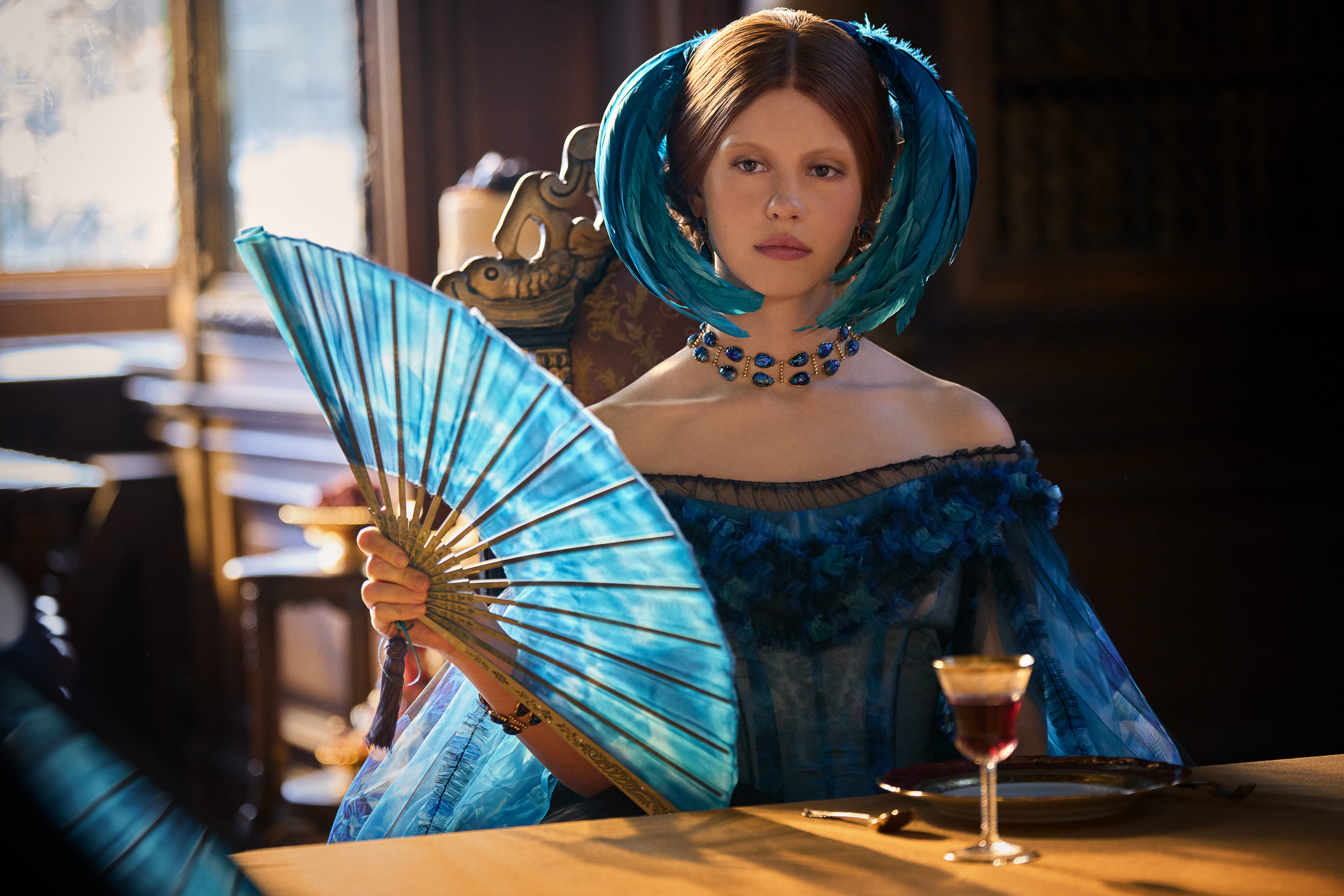
guillermo del toro makes frankenstein his own Guillermo del Toro has unveiled a fresh interpretation of the classic tale of Frankenstein, blending his unique storytelling style with the essence of Mary Shelley’s original narrative.
guillermo del toro makes frankenstein his own
Del Toro’s Long-Standing Connection to Frankenstein
Frankenstein, a story that has captivated audiences since its publication in 1818, has undergone numerous adaptations across various media, including film, theater, and literature. However, Guillermo del Toro’s version stands out for its deep emotional resonance and fidelity to the source material. At the premiere of his film at the Toronto International Film Festival (TIFF) this week, del Toro revealed that his fascination with Frankenstein began when he was just seven years old. This lifelong connection has culminated in a film that not only honors the original work but also reflects del Toro’s personal journey as a filmmaker and a father.
Understanding the Narrative Through Fatherhood
Del Toro shared that it wasn’t until he became a father that he truly grasped the complexities of the Frankenstein narrative. The themes of creation, responsibility, and the consequences of one’s actions resonate deeply with parental experiences. He noted, “Becoming a father changed my perspective on the story. It made me realize the weight of creation and the responsibility that comes with it.” This revelation has allowed him to approach the material with a fresh lens, infusing it with emotional depth that speaks to both the heart and the mind.
A Unique Vision for a Classic Tale
Del Toro’s adaptation of Frankenstein is not merely a retelling; it is a reimagining that incorporates his signature visual style and thematic concerns. Known for his ability to blend fantasy with horror, del Toro has crafted a narrative that explores the darker aspects of human nature while also celebrating the beauty of creation. His version is expected to delve into the psychological and emotional struggles of both Victor Frankenstein and his monstrous creation, offering a nuanced portrayal that challenges traditional depictions.
Visual and Thematic Elements
One of the hallmarks of del Toro’s work is his meticulous attention to visual detail. In Frankenstein, he has created a world that is both haunting and beautiful, filled with rich textures and striking imagery. The cinematography is expected to play a crucial role in conveying the emotional weight of the story, with sweeping landscapes juxtaposed against intimate character moments. Del Toro’s use of color and light will likely enhance the film’s themes of isolation, despair, and ultimately, redemption.
Moreover, del Toro’s fascination with monsters is well-documented. He often portrays them as misunderstood beings, reflecting the complexities of humanity. In his version of Frankenstein, the creature is expected to be depicted not merely as a monster but as a tragic figure, grappling with issues of identity and belonging. This approach aligns with del Toro’s broader thematic exploration of the ‘other’ and the societal rejection that often accompanies it.
Reactions from the Film Community
The premiere at TIFF has generated significant buzz within the film community, with early reactions praising del Toro’s ability to breathe new life into a well-trodden narrative. Critics have noted that his version of Frankenstein is both timely and timeless, resonating with contemporary audiences while remaining faithful to the themes of the original text. The film’s exploration of creation and its consequences has sparked discussions about the ethical implications of scientific advancement, making it particularly relevant in today’s context.
Audience Expectations
As with any adaptation of a beloved classic, audience expectations are high. Fans of del Toro’s previous works, such as Pan’s Labyrinth and The Shape of Water, are eager to see how he will interpret the iconic characters of Frankenstein. Early reviews suggest that del Toro has successfully balanced the expectations of fans with his creative vision, resulting in a film that feels both familiar and innovative.
The Broader Implications of Del Toro’s Adaptation
Del Toro’s Frankenstein is not just a film; it is a commentary on the nature of creation and the responsibilities that come with it. In an era where technological advancements are rapidly changing the landscape of human existence, the themes explored in Frankenstein are more pertinent than ever. The ethical dilemmas surrounding artificial intelligence, genetic engineering, and other scientific pursuits echo the moral questions raised in Shelley’s original work.
Engaging with Contemporary Issues
By revisiting Frankenstein, del Toro invites audiences to reflect on the implications of creation in the modern world. The film serves as a cautionary tale about the potential consequences of unchecked ambition and the moral responsibilities that accompany the act of creation. As society grapples with the ethical considerations of scientific progress, del Toro’s adaptation encourages a dialogue about the intersection of innovation and morality.
Conclusion: A New Chapter in the Frankenstein Legacy
Guillermo del Toro’s adaptation of Frankenstein promises to be a significant addition to the legacy of this iconic story. By infusing the narrative with his personal experiences and unique artistic vision, del Toro has created a film that resonates on multiple levels. As audiences await its release, the anticipation surrounding the film reflects not only del Toro’s reputation as a master storyteller but also the enduring power of Shelley’s original tale.
In a world where stories of creation and responsibility are increasingly relevant, del Toro’s Frankenstein serves as a reminder of the complexities of human nature and the consequences of our actions. As the film makes its way through the festival circuit and eventually into theaters, it is poised to spark conversations that extend far beyond the screen, engaging audiences in a dialogue about the moral implications of creation in our contemporary society.
Source: Original report
Was this helpful?
Explore more: More General Technology Tech News Blog
Last Modified: September 9, 2025 at 5:35 pm
6 views