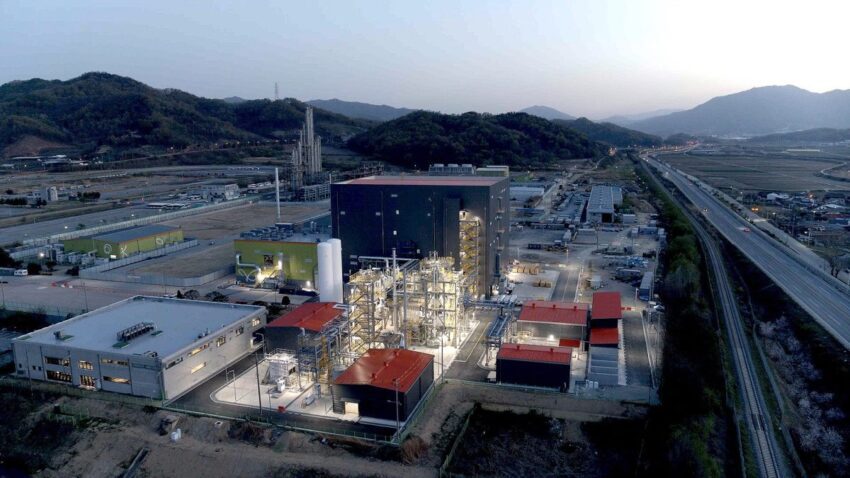
group14 opens factory to produce battery materials Group14 Technologies has inaugurated a new facility aimed at revolutionizing battery materials for electric vehicles (EVs), particularly focusing on flash charging capabilities.
group14 opens factory to produce battery materials
Overview of the BAM-3 Facility
Group14 Technologies, a startup specializing in advanced battery materials, has officially opened its BAM-3 facility. This state-of-the-art plant is designed to produce silicon anode materials, which are crucial for enhancing the performance of lithium-ion batteries used in electric vehicles. The facility has the capacity to manufacture enough silicon anode material annually to supply approximately 100,000 long-range EVs, marking a significant milestone in the company’s mission to improve battery technology.
Significance of Silicon Anodes
The transition from traditional graphite anodes to silicon-based anodes represents a major leap in battery technology. Silicon anodes can theoretically store up to ten times more lithium than graphite, leading to batteries that can hold more energy and charge faster. This is particularly important for the EV market, where range anxiety and charging time are two of the most significant barriers to widespread adoption.
By utilizing silicon anodes, EV manufacturers can produce vehicles that not only have a longer range but also require significantly less time to charge. This is crucial as consumers increasingly demand vehicles that can compete with the convenience of gasoline-powered cars. The BAM-3 facility is poised to play a critical role in meeting this demand.
Investment and Development
The establishment of the BAM-3 facility is backed by substantial investments, including a $17 million funding round led by prominent investors. This financial support underscores the growing confidence in Group14’s technology and its potential to disrupt the battery materials market. The company has already garnered attention for its innovative approach to battery materials, and the new facility is expected to accelerate its growth trajectory.
Technological Innovations
Group14’s proprietary technology focuses on the production of silicon-carbon composite materials, which enhance the performance of lithium-ion batteries. The BAM-3 facility employs advanced manufacturing techniques that allow for the efficient production of these materials, ensuring that they meet the rigorous standards required for automotive applications.
One of the key innovations at the BAM-3 facility is its ability to produce silicon anodes at scale while maintaining high quality. This is critical for automotive applications, where reliability and performance are paramount. The facility is equipped with cutting-edge machinery and processes that enable rapid scaling of production, making it a vital asset in the push for more efficient and powerful batteries.
Implications for the EV Market
The opening of the BAM-3 facility has significant implications for the electric vehicle market. As manufacturers increasingly look to improve battery performance, the availability of high-quality silicon anode materials will become a critical factor in the development of next-generation EVs. With the potential for faster charging times and longer ranges, vehicles equipped with silicon anodes could attract a broader consumer base, thereby accelerating the transition to electric mobility.
Addressing Range Anxiety
Range anxiety remains one of the most significant barriers to the widespread adoption of electric vehicles. Consumers often hesitate to switch from gasoline-powered cars to EVs due to concerns about battery life and charging infrastructure. The introduction of silicon anodes, which can significantly enhance battery capacity and reduce charging times, addresses these concerns directly.
With the ability to produce enough silicon anode material for 100,000 long-range EVs annually, Group14 is positioning itself as a key player in alleviating range anxiety. As more consumers become aware of the benefits of silicon-based batteries, the demand for electric vehicles is likely to increase, further driving innovation in the sector.
Stakeholder Reactions
The announcement of the BAM-3 facility has elicited positive reactions from various stakeholders in the automotive and technology sectors. Industry analysts have praised Group14’s commitment to advancing battery technology, highlighting the potential for silicon anodes to transform the EV landscape.
Automotive Manufacturers
Automakers are particularly interested in the advancements made by Group14. Many manufacturers are already exploring partnerships to integrate silicon anodes into their upcoming EV models. The ability to offer vehicles with improved range and reduced charging times could provide a competitive edge in a rapidly evolving market.
Several major automotive brands have expressed interest in collaborating with Group14 to leverage its technology. This collaboration could lead to the development of new models that incorporate silicon anodes, further driving the adoption of electric vehicles.
Investors and Analysts
Investors have also shown enthusiasm for Group14’s growth potential. The successful funding round that supported the BAM-3 facility indicates strong market confidence in the company’s vision and capabilities. Analysts predict that as the demand for electric vehicles continues to rise, companies like Group14 that focus on innovative battery materials will be well-positioned for success.
Challenges Ahead
Despite the promising developments, Group14 Technologies faces several challenges as it moves forward. The battery materials market is highly competitive, with numerous companies vying for dominance. Established players in the industry may respond aggressively to the emergence of new technologies, potentially impacting Group14’s market share.
Supply Chain Considerations
Another challenge lies in the supply chain for raw materials required to produce silicon anodes. As demand for silicon-based batteries increases, securing a reliable supply of high-quality silicon will be crucial. Group14 will need to establish strong relationships with suppliers to ensure that it can meet production targets without compromising on quality.
Regulatory Environment
The regulatory landscape surrounding battery production is also evolving. As governments worldwide implement stricter environmental regulations, companies in the battery materials sector must navigate compliance challenges. Group14 will need to stay ahead of these regulations to maintain its competitive edge and ensure sustainable practices in its operations.
Future Outlook
The future looks promising for Group14 Technologies and its BAM-3 facility. As the demand for electric vehicles continues to grow, the need for advanced battery materials will become increasingly critical. Group14’s focus on silicon anodes positions it well to capitalize on this trend, potentially leading to significant advancements in battery technology.
Long-Term Goals
Group14 aims to expand its production capabilities further, with plans to increase output as demand for silicon anodes rises. The company is also exploring opportunities to diversify its product offerings, potentially developing new materials that can enhance battery performance even further.
In addition, Group14 is committed to sustainability and aims to incorporate environmentally friendly practices into its manufacturing processes. This focus on sustainability will not only help the company comply with regulations but also resonate with consumers who are increasingly concerned about the environmental impact of their choices.
Conclusion
The opening of Group14’s BAM-3 facility marks a significant step forward in the development of battery materials for electric vehicles. With its ability to produce silicon anode materials at scale, the facility is set to play a crucial role in addressing the challenges facing the EV market, particularly in terms of range anxiety and charging times. As the company continues to innovate and expand, it is well-positioned to become a leader in the battery materials sector, contributing to the broader transition toward sustainable transportation.
Source: Original report
Was this helpful?
Explore more: More Hardware & Devices Tech News Blog
Last Modified: March 12, 2026 at 5:14 pm
23 views