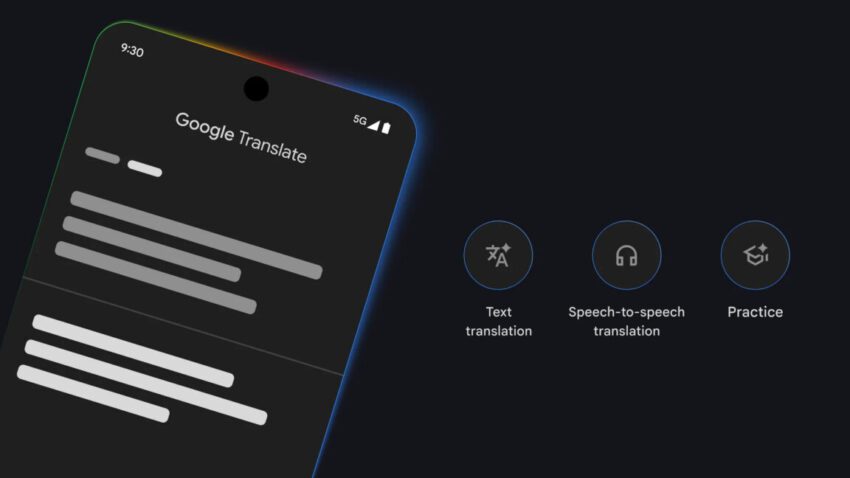
google translate expands live translation to all Google has announced a significant update to its Translate app, expanding live translation capabilities to all earbuds connected to Android devices, moving away from exclusive hardware restrictions.
google translate expands live translation to all
Overview of the Update
In a notable shift from its recent trend of locking features to specific hardware, Google is making its live translation feature more accessible. Previously, users needed to own Pixel Buds to utilize this functionality, but the latest update allows any compatible earbuds connected to an Android phone to access live translation. This change is part of a broader strategy to enhance user experience and broaden the app’s usability across different devices.
Enhanced Translation Quality
Alongside the expanded hardware support, Google has also improved the translation quality across dozens of languages. The update leverages advancements in artificial intelligence, particularly through the integration of Google’s Gemini model, which was initially rolled out earlier this year. This model enhances the app’s ability to provide smooth, real-time translations, both in audio and on-screen text formats.
Learning Features Inspired by Duolingo
In addition to improved translation capabilities, the new version of Google Translate introduces features reminiscent of language-learning platforms like Duolingo. These features aim to assist users in not only translating but also learning new languages. By incorporating gamified elements and interactive lessons, Google hopes to engage users more deeply, encouraging them to practice and improve their language skills.
How Live Translation Works
The live translation feature allows users to engage in conversations in different languages seamlessly. When activated, the app listens to the spoken dialogue and translates it in real-time, providing audio feedback and on-screen text. This capability is particularly useful in situations where immediate understanding is crucial, such as during travel or business meetings.
Audio Translation Capabilities
Google’s audio translation feature aims to preserve the tone and cadence of the original speaker. While this is a significant improvement, it is important to note that it does not yet match the full AI-reproduced voice translations available on the latest Pixel phones. The current implementation focuses on delivering accurate translations while maintaining the speaker’s natural delivery as much as possible.
Beta Testing and Availability
As part of this rollout, Google has initiated a beta test for the expanded headphone support, which began on the same day as the announcement. This beta is currently available in the United States, Mexico, and India, allowing users in these regions to experience the new features firsthand. Google has indicated that the feature will eventually be available on iOS devices, although the timeline for this expansion has not been specified.
Implications for Users and Stakeholders
This update represents a significant step forward for Google Translate, particularly in terms of accessibility. By allowing any earbuds to be used for live translation, Google is removing barriers that previously limited the feature to users of its specific hardware. This move could potentially increase user engagement with the app, as more individuals will have the opportunity to utilize its capabilities without needing to invest in additional hardware.
Competitive Landscape
Google’s decision to expand live translation capabilities comes at a time when competition in the translation app market is intensifying. Apple, for instance, has its own live translation feature available on iPhones, but it is limited to users of AirPods. By making its feature more widely accessible, Google may gain a competitive edge, attracting users who seek flexibility and convenience in their translation tools.
User Reactions
Initial reactions from users and tech enthusiasts have been largely positive. Many have expressed excitement about the improved accessibility of live translation, particularly for those who do not own Pixel Buds. The addition of language-learning features has also garnered interest, as users appreciate the opportunity to enhance their language skills while using the app.
Future Prospects
Looking ahead, the expansion of Google Translate’s live translation capabilities could have far-reaching implications. As more users adopt the app for real-time communication, Google may continue to refine and enhance its features based on user feedback and technological advancements. The integration of AI-driven learning tools could also pave the way for more personalized language learning experiences, catering to individual user needs and preferences.
Potential Challenges
Despite the positive reception, there are challenges that Google may face as it rolls out these new features. Ensuring consistent performance across a wide range of earbuds and headphones could prove difficult, as varying audio quality and compatibility issues may arise. Additionally, maintaining the accuracy and naturalness of translations in diverse contexts will require ongoing refinement of the underlying AI models.
Broader Context of AI in Translation
The advancements in Google Translate are part of a larger trend in the technology industry, where AI is increasingly being utilized to enhance communication and accessibility. As globalization continues to connect people from different linguistic backgrounds, the demand for effective translation tools is likely to grow. Google’s efforts to improve its translation services reflect a commitment to meeting this demand and facilitating smoother interactions across language barriers.
Conclusion
Google’s expansion of live translation capabilities to all earbuds connected to Android devices marks a significant milestone in the evolution of its Translate app. By enhancing accessibility and introducing new learning features, Google is positioning itself as a leader in the translation space. As the beta test rolls out and user feedback is gathered, the company will likely continue to innovate and refine its offerings, ultimately striving to make communication across languages more seamless and intuitive.
Source: Original report
Was this helpful?
Explore more: AI Automation Services More AI & Automation Tech News
Last Modified: December 13, 2025 at 1:39 pm
28 views