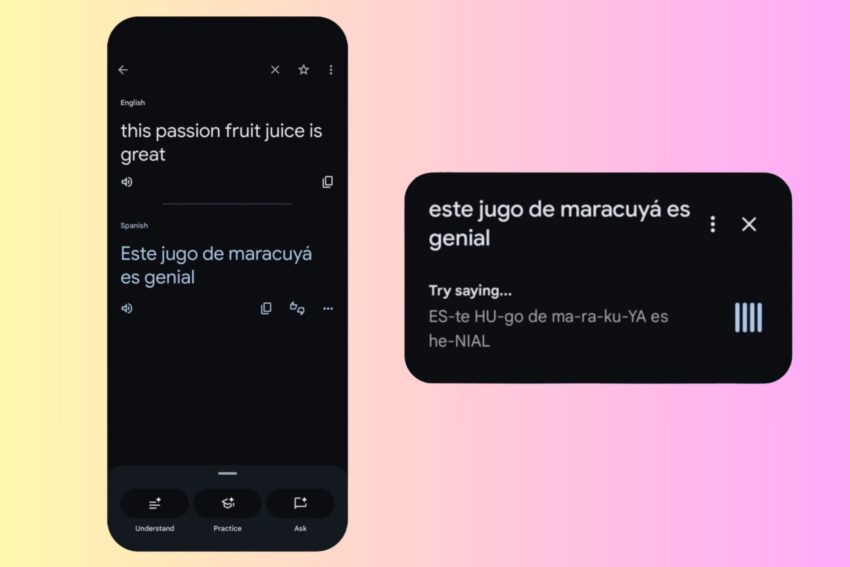
google translate can now help you with Google has introduced a new AI-powered feature in Google Translate designed to assist users in improving their pronunciation skills while learning a new language.
google translate can now help you with
Overview of the New Feature
The newly launched “pronunciation practice” tool is a significant enhancement to Google Translate, aiming to provide users with a more interactive and effective language learning experience. This feature utilizes advanced artificial intelligence to analyze users’ speech and offer instant feedback on their pronunciation, enabling learners to refine their enunciation before engaging in real conversations. The tool is particularly beneficial for those who may feel apprehensive about speaking a new language and want to build their confidence.
How It Works
The pronunciation practice feature operates by allowing users to speak into their devices while the tool listens and evaluates their pronunciation. After the user speaks a word or phrase, the AI analyzes the audio input and provides feedback on areas that need improvement. This feedback is designed to be constructive, guiding users on how to adjust their pronunciation for better clarity and accuracy.
One of the standout aspects of this feature is its phonetic pronunciation guides. These guides are written out phonetically, offering users a clearer understanding of how to articulate words correctly. This phonetic representation serves as a valuable resource, especially for learners who may struggle with the nuances of pronunciation in a new language.
Availability and Supported Languages
As of now, the pronunciation practice feature is available exclusively for Android users in the United States and India. The initial rollout includes support for three languages: English, Spanish, and Hindi. This selection reflects a strategic focus on languages that are widely spoken and commonly learned, making the feature accessible to a broad audience.
Google has not yet announced plans for expanding this feature to other regions or making it available for iOS users. The decision to initially limit availability may be a strategic move to gather user feedback and refine the tool before a wider release. However, the potential for expansion is significant, given the global demand for language learning tools.
Comparisons to Other Language Learning Platforms
The pronunciation practice feature shares similarities with existing tools offered by other language learning platforms, such as Duolingo. Duolingo has long included pronunciation exercises that allow users to practice speaking and receive feedback on their performance. However, Google’s integration of this feature into Google Translate may provide a more seamless experience for users who are already familiar with the translation app.
While Duolingo focuses on gamified learning experiences, Google Translate’s pronunciation practice is more straightforward, emphasizing practical application and real-time feedback. This distinction may appeal to users who prefer a more direct approach to language learning, particularly those who are preparing for travel, work, or study abroad.
Implications for Language Learners
The introduction of the pronunciation practice feature has several implications for language learners. First and foremost, it addresses a common challenge faced by many learners: the fear of speaking. Many individuals hesitate to practice speaking a new language due to concerns about making mistakes or being misunderstood. By providing instant feedback in a low-pressure environment, Google Translate aims to alleviate some of this anxiety, encouraging users to practice more frequently.
Moreover, the feature can enhance the overall learning experience by allowing users to focus on pronunciation, which is often a neglected aspect of language learning. Traditional language courses may prioritize vocabulary and grammar, leaving pronunciation as an afterthought. With this new tool, learners can dedicate time specifically to mastering pronunciation, which is crucial for effective communication.
Feedback from Users and Stakeholders
Initial reactions to the pronunciation practice feature have been largely positive. Language learners have expressed excitement about the potential for improved pronunciation skills, particularly those who have struggled with speaking in the past. Users appreciate the convenience of having a pronunciation tool integrated into an app they already use for translation, making it easier to practice on the go.
Educators and language instructors have also noted the potential benefits of this feature. Many teachers emphasize the importance of pronunciation in language acquisition and see Google Translate’s tool as a valuable resource for students. By incorporating technology into language learning, educators can enhance their teaching methods and provide students with additional support outside the classroom.
Challenges and Considerations
Despite the positive feedback, there are challenges and considerations that Google must address as it rolls out this feature. One significant concern is the accuracy of the AI’s feedback. While the technology is advanced, it may not always provide perfect evaluations of pronunciation. Users may receive mixed messages about their pronunciation, leading to confusion or frustration. Continuous improvement of the AI algorithms will be essential to ensure that the feedback is reliable and helpful.
Additionally, the feature’s initial limitation to Android users in specific regions raises questions about accessibility. Language learners in other parts of the world or those using iOS devices may feel excluded from this valuable resource. Google will need to consider how to expand access to ensure that a broader audience can benefit from the pronunciation practice tool.
Future Developments
Looking ahead, the potential for future developments in Google Translate’s pronunciation practice feature is promising. As AI technology continues to evolve, Google may enhance the tool’s capabilities, such as incorporating more languages, dialects, and regional accents. This expansion could make the feature even more useful for learners worldwide.
Furthermore, Google could consider integrating additional learning resources, such as video tutorials or interactive exercises, to complement the pronunciation practice tool. By providing a more comprehensive learning experience, Google could position itself as a leader in the language learning space.
Conclusion
The launch of Google Translate’s pronunciation practice feature marks a significant advancement in the realm of language learning tools. By leveraging AI technology to provide instant feedback on pronunciation, Google is addressing a critical need among language learners. While the feature is currently limited in scope, its potential for expansion and improvement could make it an invaluable resource for individuals seeking to enhance their language skills. As Google continues to refine this tool and explore new developments, it will be interesting to see how it shapes the future of language learning.
Source: Original report
Was this helpful?
Explore more: AI Automation Services More AI & Automation Tech News
Last Modified: April 28, 2026 at 9:37 pm
11 views