google s android xr glasses app surfaces Google has revealed a glimpse into its ongoing development of software for Android XR glasses through a newly surfaced companion app in the latest Android Canary builds.
google s android xr glasses app surfaces
Overview of the Android XR Glasses Initiative
Google’s foray into augmented reality (AR) and virtual reality (VR) has been a topic of speculation and anticipation for several years. The tech giant has been investing heavily in developing hardware and software solutions that can seamlessly integrate AR and VR into everyday life. The Android XR glasses are expected to be a significant step in this direction, offering users an immersive experience that combines the digital and physical worlds.
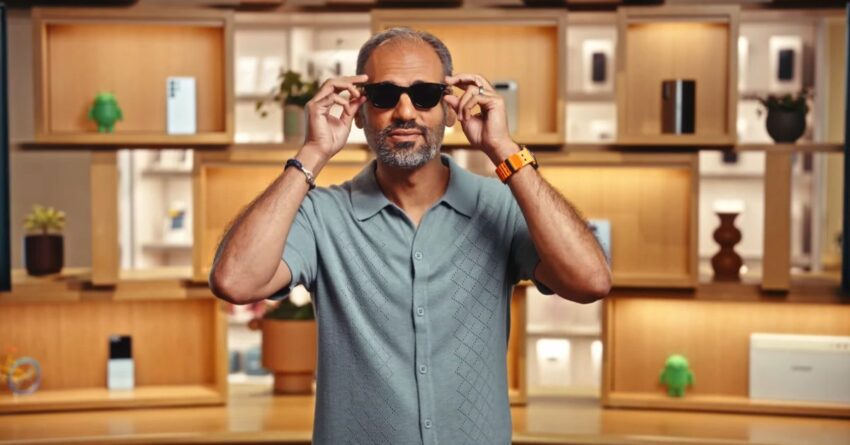
The introduction of the companion app is a clear indication that Google is moving closer to launching its XR glasses. This app is designed to provide users with an interface to control various functionalities of the glasses, including camera settings and display options. The app’s emergence in the Android Canary builds suggests that Google is in the testing phase, refining the software before a broader release.
Features of the Companion App
Camera Functionality
One of the standout features of the Android XR glasses app is its camera functionality. Users can expect a range of options that allow them to customize their camera settings according to their preferences. This includes adjusting resolution, frame rates, and possibly even advanced features like augmented reality overlays. The ability to manipulate these settings directly from the companion app indicates a user-centric approach, allowing for a more tailored experience.
Display Settings
The app also provides users with control over display settings, which is crucial for an optimal XR experience. Users can adjust brightness, contrast, and other visual parameters to suit their environment and personal preferences. This feature is particularly important for AR applications, where clarity and visibility can significantly impact user experience.
User Interface Design
Initial screenshots of the app reveal a clean and intuitive user interface. Google appears to be focusing on simplicity and ease of use, which is essential for a device that aims to integrate seamlessly into users’ daily lives. The design choices reflect Google’s broader philosophy of creating user-friendly technology that is accessible to a wide audience.
Implications of the Android XR Glasses
The development of Android XR glasses has significant implications for various sectors, including gaming, education, healthcare, and remote work. By providing a platform for immersive experiences, Google could potentially transform how users interact with digital content.
Gaming
The gaming industry stands to benefit immensely from the introduction of XR glasses. With the ability to overlay digital elements onto the real world, developers can create more engaging and interactive gaming experiences. This could lead to a new genre of games that blend physical movement with virtual challenges, appealing to a broader audience.
Education
In the education sector, XR technology has the potential to revolutionize learning. Imagine students being able to explore historical sites or conduct virtual science experiments through their glasses. This immersive approach could enhance understanding and retention of complex subjects, making learning more engaging and effective.
Healthcare
Healthcare professionals could also leverage XR technology for training and patient care. Surgeons might use AR overlays to visualize anatomy during procedures, while medical students could practice in simulated environments. The possibilities for improving patient outcomes and training efficiency are vast.
Remote Work
As remote work continues to grow in popularity, XR glasses could facilitate more effective collaboration. Virtual meetings could become more interactive, with participants able to share and manipulate 3D models in real time. This could enhance communication and productivity, making remote work more efficient.
Stakeholder Reactions
The announcement of the Android XR glasses and the accompanying app has elicited a range of reactions from stakeholders in the tech industry. Analysts and industry experts are cautiously optimistic about the potential of Google’s new venture.
Industry Analysts
Many industry analysts view Google’s push into XR as a necessary evolution in the tech landscape. They argue that as AR and VR technologies mature, companies that fail to adapt may find themselves at a competitive disadvantage. Google’s established ecosystem, combined with its resources and expertise, positions it well to make a significant impact in this space.
Developers
Developers are particularly excited about the possibilities that the Android XR glasses could unlock. The introduction of a dedicated app suggests that Google is committed to providing the tools necessary for developers to create innovative applications. This could lead to a surge in XR content, similar to what occurred with mobile apps following the launch of the first iPhone.
Consumers
Consumer reactions have been mixed, with some expressing excitement about the potential applications of XR technology, while others remain skeptical. Concerns about privacy, data security, and the practicality of wearing glasses for extended periods have been raised. Google will need to address these concerns to ensure widespread adoption of its XR glasses.
Challenges Ahead
Despite the excitement surrounding the Android XR glasses, Google faces several challenges as it moves forward with this initiative. These challenges could impact the successful launch and adoption of the glasses.
Technical Hurdles
Developing a robust and reliable XR experience requires overcoming significant technical hurdles. Issues such as battery life, processing power, and weight will need to be addressed to create a comfortable and functional device. If the glasses are too heavy or have limited battery life, users may be deterred from using them regularly.
Market Competition
The XR market is becoming increasingly competitive, with several companies, including Meta and Apple, also investing heavily in similar technologies. Google will need to differentiate its offering to capture consumer interest and market share. This could involve unique features, pricing strategies, or partnerships that enhance the overall user experience.
Privacy Concerns
Privacy remains a significant concern for consumers when it comes to wearable technology. The ability to capture images and data through AR glasses raises questions about surveillance and data security. Google will need to implement robust privacy measures and communicate these effectively to build trust with potential users.
Conclusion
The emergence of the Android XR glasses companion app marks an exciting development in Google’s ongoing efforts to integrate augmented and virtual reality into everyday life. With features that enhance camera and display settings, the app provides a glimpse into the potential of XR technology. As Google navigates the challenges ahead, the implications for various sectors and the reactions from stakeholders will play a crucial role in shaping the future of this initiative.
Source: Original report
Was this helpful?
Last Modified: January 13, 2026 at 3:58 am
4 views