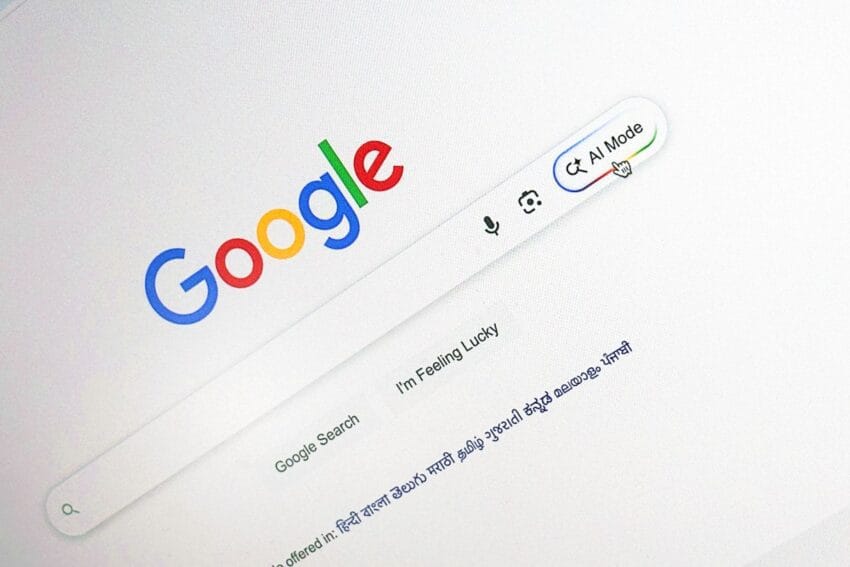
google s ai mode arrives in spanish Google has officially launched its AI Mode for Spanish-speaking users across the globe, marking a significant step in its commitment to inclusivity and accessibility in technology.
google s ai mode arrives in spanish
Overview of Google’s AI Mode
Google’s AI Mode is designed to enhance user experience by leveraging artificial intelligence to provide more intuitive and personalized interactions. Initially rolled out in English, the feature has now expanded to accommodate Spanish speakers, reflecting the growing demand for multilingual support in digital services. This move is part of Google’s broader strategy to integrate AI capabilities into its suite of products, making them more accessible to a diverse user base.
Features of AI Mode
The AI Mode offers a variety of functionalities aimed at improving user engagement and productivity. Some of the key features include:
- Natural Language Processing: The AI Mode utilizes advanced natural language processing (NLP) algorithms to understand and respond to user queries more effectively.
- Contextual Understanding: It can interpret context from previous interactions, allowing for more coherent conversations and relevant responses.
- Personalization: The AI adapts to individual user preferences over time, enhancing the overall experience by providing tailored suggestions and solutions.
- Multilingual Support: With the addition of Spanish, the AI Mode can now cater to a broader audience, making it easier for Spanish speakers to access information and services.
Significance of the Launch
The launch of AI Mode in Spanish is significant for several reasons. First, it acknowledges the substantial population of Spanish speakers worldwide, estimated to be over 580 million, making it the second most spoken language globally. By offering AI Mode in Spanish, Google is not only expanding its market reach but also enhancing user experience for millions of individuals who prefer to interact in their native language.
Implications for Users
The introduction of AI Mode in Spanish has several implications for users:
- Enhanced Accessibility: Spanish-speaking users can now access Google’s AI tools without language barriers, making technology more inclusive.
- Improved Communication: Users can communicate more effectively with AI, leading to better outcomes in tasks such as information retrieval, scheduling, and more.
- Increased Engagement: By providing a more personalized experience, users are likely to engage more with Google’s services, leading to higher satisfaction and loyalty.
Stakeholder Reactions
The launch has garnered positive reactions from various stakeholders, including users, tech analysts, and language advocates. Many users have expressed excitement about the new feature, highlighting how it will facilitate smoother interactions with technology.
User Feedback
Initial feedback from Spanish-speaking users has been overwhelmingly positive. Many have noted that the AI Mode understands colloquial expressions and regional dialects, which is crucial for effective communication. Users have reported that the AI can handle complex queries and provide relevant responses, making it a valuable tool for both personal and professional use.
Industry Analysts
Industry analysts have also weighed in on the significance of this launch. They emphasize that Google’s move to include Spanish in its AI offerings is a strategic decision that reflects the company’s commitment to diversity and inclusion. Analysts predict that this could set a precedent for other tech companies to follow suit, potentially leading to a more multilingual digital landscape.
Language Advocates
Language advocates have applauded Google’s efforts to incorporate Spanish into its AI Mode. They argue that this move not only empowers Spanish-speaking users but also promotes the importance of linguistic diversity in technology. By supporting multiple languages, Google is contributing to the preservation and promotion of languages that are often underrepresented in the digital space.
Challenges Ahead
Despite the positive reception, the launch of AI Mode in Spanish is not without its challenges. Google must navigate various hurdles to ensure that the feature remains effective and user-friendly.
Technical Challenges
One of the primary challenges is ensuring that the AI can accurately understand and respond to the diverse range of Spanish dialects and regional variations. Spanish is spoken differently across various countries, and the nuances in language can lead to misunderstandings if not properly addressed. Google will need to continuously refine its algorithms to accommodate these differences.
User Education
Another challenge is user education. While the AI Mode is designed to be intuitive, some users may require guidance on how to maximize its features. Google will need to invest in educational resources, such as tutorials and support materials, to help users navigate the new functionalities effectively.
Future Developments
Looking ahead, Google has plans to further enhance its AI Mode capabilities. The company is committed to expanding its language offerings, with potential plans to introduce additional languages in the future. This aligns with Google’s mission to make information universally accessible and useful.
Potential for Expansion
As AI technology continues to evolve, there is significant potential for Google to incorporate more advanced features into its AI Mode. Future updates may include:
- Voice Recognition: Improved voice recognition capabilities could allow users to interact with the AI more naturally, further enhancing the user experience.
- Integration with Other Services: Seamless integration with other Google services, such as Google Assistant and Google Workspace, could provide users with a more cohesive experience.
- Feedback Mechanisms: Implementing user feedback mechanisms could help Google continuously improve the AI Mode based on real-world usage and preferences.
Conclusion
The global launch of Google’s AI Mode in Spanish represents a significant milestone in the tech industry, reflecting a growing recognition of the importance of multilingual support in digital services. As Google continues to refine and expand its AI capabilities, the implications for users, stakeholders, and the broader tech landscape are profound. By prioritizing inclusivity and accessibility, Google is not only enhancing user experience but also setting a standard for other companies to follow.
Source: Original report
Was this helpful?
Explore more: AI Automation Services More AI & Automation Tech News
Last Modified: September 24, 2025 at 2:40 am
18 views