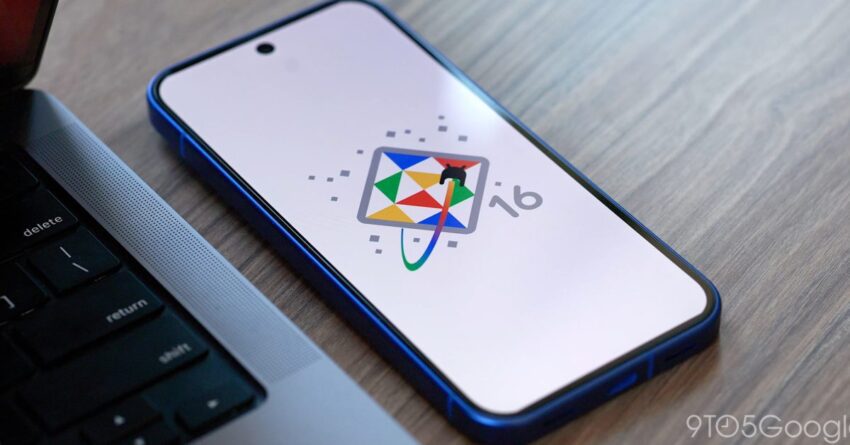
google rolling out android 16 qpr3 beta Google has officially released Android 16 QPR3 Beta 2 for Pixel devices, following a prior rollout just before the holiday season.
google rolling out android 16 qpr3 beta
Overview of Android 16 QPR3 Beta 2
Android 16 QPR3 Beta 2 marks a significant step in Google’s ongoing development of its mobile operating system. This beta version is part of the quarterly platform release (QPR) cycle, which aims to introduce new features, enhancements, and bug fixes while also refining the overall user experience. The release comes after the initial beta version was made available in December, allowing developers and enthusiasts to test the latest features ahead of the stable release.
Key Features and Improvements
With each beta release, Google typically introduces a range of features and improvements. While the specific details of Android 16 QPR3 Beta 2 are still emerging, users can expect a mix of performance optimizations, security updates, and possibly new functionalities that enhance the overall user experience. Some anticipated features include:
- User Interface Enhancements: Google often refines the user interface in beta releases, making it more intuitive and visually appealing.
- Performance Optimizations: Improvements in speed and responsiveness are common, ensuring that devices run smoothly even under heavy usage.
- Security Updates: Each beta version typically includes the latest security patches to protect users from vulnerabilities.
- New Features: Google may introduce new functionalities that leverage the latest hardware capabilities of Pixel devices, enhancing photography, gaming, and productivity.
Installation Process for Beta Users
For those interested in testing Android 16 QPR3 Beta 2, the installation process is straightforward, though it requires some technical knowledge. Users must enroll their Pixel devices in the Android Beta Program, which allows them to receive beta updates directly. Here’s a step-by-step guide:
- Visit the Android Beta Program website: Users need to navigate to the official Android Beta Program page.
- Sign in with a Google account: The account must be associated with the Pixel device intended for beta testing.
- Select the device: Choose the Pixel device from the list of eligible devices.
- Enroll in the program: Follow the prompts to enroll in the beta program.
- Download the update: Once enrolled, users will receive an over-the-air (OTA) update to install Android 16 QPR3 Beta 2.
It is important to note that beta versions may contain bugs and other issues that could affect device performance. Therefore, users should consider backing up their data before proceeding with the installation.
Feedback and Community Engagement
Google encourages users to provide feedback on beta releases to help improve the final product. The company has established various channels for users to report bugs, suggest features, and share their experiences. This feedback loop is crucial for refining the operating system and ensuring that it meets the needs of its user base.
Users can report issues through the Android Beta Program website or participate in community forums where discussions about the beta version take place. Engaging with the community not only helps Google identify problems but also fosters a sense of collaboration among users who are passionate about Android development.
Stakeholder Reactions
The release of Android 16 QPR3 Beta 2 has garnered attention from various stakeholders, including developers, tech enthusiasts, and industry analysts. Many developers view beta releases as an opportunity to prepare their applications for upcoming changes in the operating system. By testing their apps on the latest beta version, developers can ensure compatibility and optimize performance for end-users.
Tech enthusiasts often express excitement about new features and improvements, eagerly sharing their experiences and findings on social media and forums. This community-driven feedback can significantly influence the direction of future updates and features.
Industry analysts also monitor these beta releases closely, as they provide insights into Google’s strategic direction and priorities. The features introduced in beta versions often reflect broader trends in the mobile industry, such as increased focus on security, user privacy, and enhanced user experiences.
Implications for Future Releases
The rollout of Android 16 QPR3 Beta 2 is not just a standalone event; it has broader implications for the future of Android as a platform. As Google continues to refine its operating system, the feedback and data collected from beta users will inform subsequent updates and features. This iterative process is essential for maintaining Android’s competitive edge in the mobile market.
Moreover, the emphasis on user feedback highlights Google’s commitment to a user-centric approach in its development process. By actively engaging with users and incorporating their suggestions, Google aims to create an operating system that not only meets but exceeds user expectations.
Comparative Analysis with Previous Versions
When comparing Android 16 QPR3 Beta 2 with previous beta releases, it is evident that Google is focusing on enhancing user experience and security. Each version has brought incremental improvements, but the current beta appears to be more ambitious in its scope. For instance, previous beta versions often focused primarily on performance optimizations and bug fixes, while Android 16 QPR3 Beta 2 seems to be introducing more innovative features.
This shift may indicate Google’s strategic focus on differentiating Android from competitors such as iOS, which has consistently emphasized user experience and security. By prioritizing these aspects in its beta releases, Google is positioning Android as a robust and secure platform for users.
Looking Ahead: The Future of Android
The release of Android 16 QPR3 Beta 2 is just one chapter in the ongoing evolution of Google’s mobile operating system. As technology continues to advance, users can expect further enhancements and innovations in future releases. The integration of artificial intelligence, machine learning, and augmented reality are just a few areas where Android may expand its capabilities.
Additionally, the growing emphasis on privacy and security will likely continue to shape the development of Android. With increasing concerns about data protection and user privacy, Google is expected to implement more robust security measures in future updates. This focus will not only enhance user trust but also align with global regulatory trends aimed at protecting consumer data.
Conclusion
In summary, the rollout of Android 16 QPR3 Beta 2 for Pixel devices represents a significant milestone in Google’s ongoing commitment to enhancing its mobile operating system. With a range of anticipated features, performance improvements, and a focus on user feedback, this beta release sets the stage for future developments in Android. As users engage with the beta version and provide their insights, Google will continue to refine and optimize the platform, ensuring that it remains a leader in the mobile operating system landscape.
Source: Original report
Was this helpful?
Explore more: Mobile App Development More Mobile Technology Tech News
Last Modified: January 15, 2026 at 7:48 am
16 views