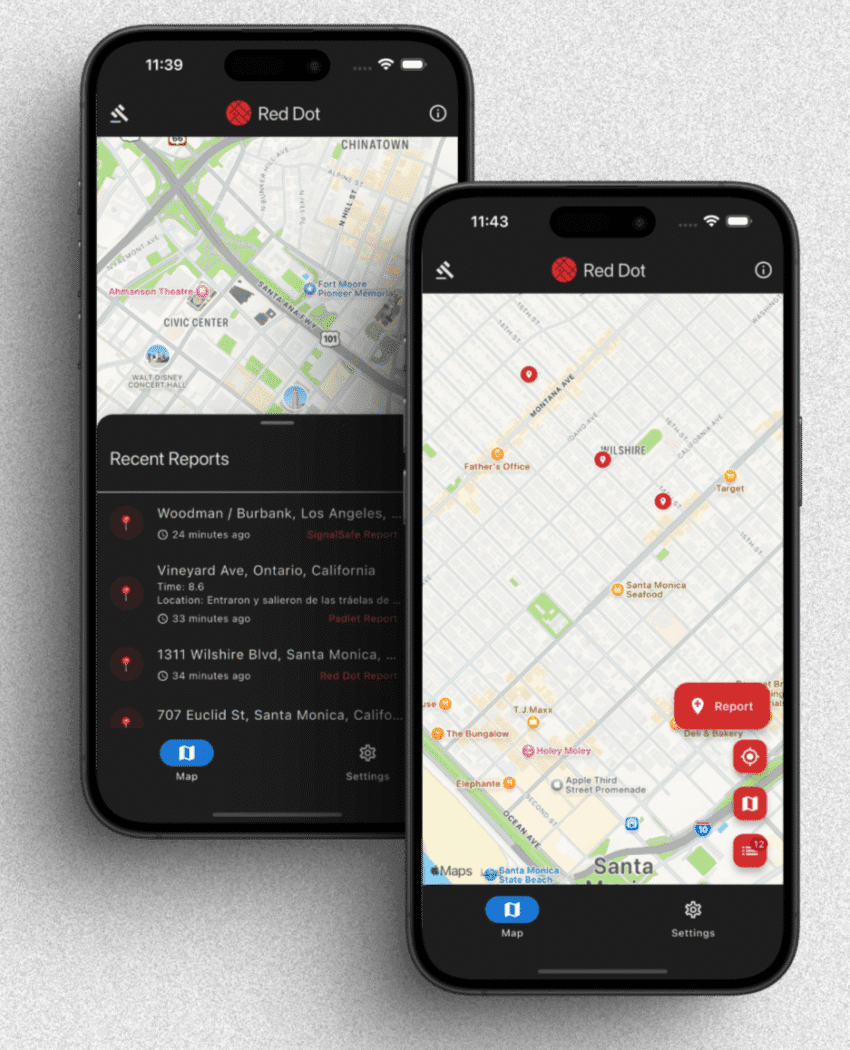
google removes ice-spotting app following apple s Google has removed the Red Dot app from its Play Store, following Apple’s decision to take down ICEBlock, both of which allowed users to track the activities of U.S. Immigration and Customs Enforcement (ICE) agents.
google removes ice-spotting app following apple s
Background on ICE-spotting Apps
ICEBlock and Red Dot are applications designed to facilitate the reporting of ICE agents’ locations, enabling users to anonymously share sightings and receive alerts about ICE activities in their vicinity. These apps have gained traction among immigrant advocacy groups, who argue that they are essential tools for protecting vulnerable communities from what they perceive as aggressive enforcement actions by ICE.
Both applications operate on a similar premise: they allow users to report sightings of ICE agents and view reports from others in real-time. Red Dot, for instance, claims to combine user-generated reports with verified information from trusted sources to provide a comprehensive overview of ICE activity in specific areas. This functionality has made these apps controversial, as they are seen by some as a means to safeguard immigrant rights, while others view them as a potential threat to law enforcement personnel.
Recent Developments
On Thursday, Apple removed ICEBlock from its App Store, a decision that came after increasing pressure from the U.S. Department of Justice (DOJ). Attorney General Pam Bondi publicly criticized the app, stating that it “is designed to put ICE agents at risk just for doing their jobs.” She emphasized that “violence against law enforcement is an intolerable red line that cannot be crossed.” This statement reflects a broader concern among law enforcement agencies regarding the safety of their personnel in the face of rising tensions surrounding immigration enforcement.
In the wake of Apple’s actions, Google confirmed to 404 Media that it had also removed Red Dot from its platform. The company stated that it had taken this step in response to a recent violent incident involving ICE agents, which was reportedly linked to the use of such tracking applications. Google emphasized its commitment to banning apps that pose a high risk of abuse and reiterated its policies regarding content moderation for user-generated content.
Stakeholder Reactions
Government Officials
The response from government officials has been overwhelmingly supportive of the actions taken by Apple and Google. Attorney General Bondi’s comments highlight a growing concern among law enforcement about the potential dangers posed by these apps. The DOJ’s involvement indicates a significant shift in how the government is addressing the intersection of technology and immigration enforcement. The removal of these apps is seen as a necessary step to protect law enforcement personnel from potential harm.
App Developers and Advocacy Groups
In stark contrast, Joshua Aaron, the developer of ICEBlock, criticized Apple’s decision, arguing that the app constitutes “protected speech.” He contended that the removal of ICEBlock is an example of Apple “capitulating to an authoritarian regime.” This perspective underscores the ongoing debate about the balance between public safety and freedom of expression, particularly in the context of technology and its role in social justice movements.
Advocacy groups that support immigrant rights have also expressed their dismay over the removal of these apps. Many argue that these tools are vital for empowering communities to protect themselves from aggressive immigration enforcement. They contend that the ability to report ICE activity anonymously can help deter potential abuses and provide a sense of security for vulnerable populations.
Implications for Technology Companies
The actions taken by Apple and Google raise important questions about the responsibilities of technology companies in moderating content on their platforms. Both companies have established guidelines for app developers, which include provisions for banning apps that could be deemed harmful or abusive. However, the criteria for what constitutes “harm” can be subjective and may vary depending on the context.
As technology companies navigate these complex issues, they must balance the need to protect users and law enforcement personnel with the principles of free speech and expression. The removal of ICEBlock and Red Dot may set a precedent for how similar apps are treated in the future, particularly those that intersect with contentious social and political issues.
Public Discourse and the Role of Technology
The debate surrounding ICEBlock and Red Dot reflects broader societal tensions regarding immigration enforcement and the role of technology in facilitating or hindering social movements. As public discourse around these issues continues to evolve, technology companies will likely face increasing scrutiny regarding their policies and practices.
Critics of the removals argue that technology companies should not act as arbiters of free speech, particularly when it comes to apps that serve marginalized communities. The concern is that by removing these apps, companies may inadvertently silence voices advocating for social justice and accountability in law enforcement.
Future Considerations
As the landscape of immigration enforcement and public safety continues to shift, the role of technology will remain a critical factor in shaping the discourse. The actions taken by Apple and Google may prompt other technology companies to reevaluate their policies regarding app moderation and content regulation.
Furthermore, the ongoing debate about the balance between safety and free expression will likely lead to increased advocacy for clearer guidelines and standards for app developers. Stakeholders from various sectors—government, technology, and civil society—will need to engage in constructive dialogue to address the complexities of these issues.
Conclusion
The removal of ICEBlock and Red Dot from their respective platforms marks a significant moment in the intersection of technology, law enforcement, and social justice. As technology companies grapple with their responsibilities in moderating content, the implications of these actions will resonate across various sectors. The ongoing discourse surrounding immigration enforcement and the role of technology in facilitating or obstructing social movements will continue to evolve, requiring careful consideration and dialogue among all stakeholders involved.
Source: Original report
Was this helpful?
Last Modified: October 4, 2025 at 12:43 am
8 views