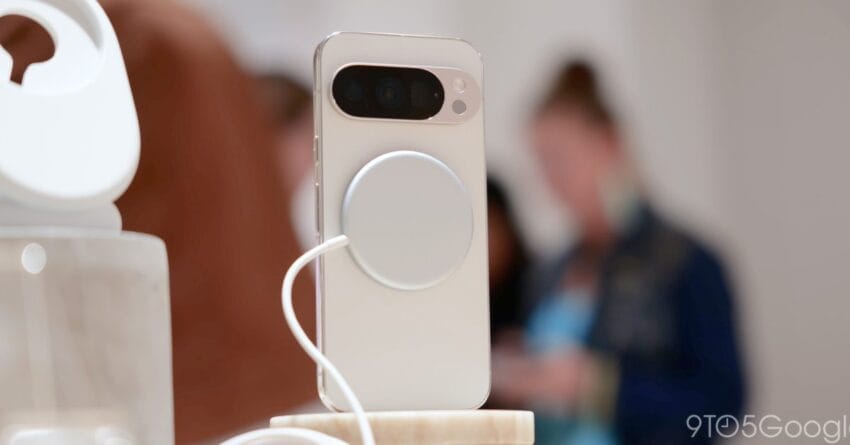
google pulls the plug on battery share Google has officially decided to discontinue the Battery Share feature for its Pixel 10 series, opting instead for the integration of Qi2 magnetic charging technology.
google pulls the plug on battery share
Overview of the Pixel 10 Series
The Pixel 10 series, which is set to launch later this year, has generated significant buzz within the tech community. Known for its innovative features and robust performance, the Pixel lineup has consistently aimed to push the boundaries of smartphone technology. The decision to remove the Battery Share feature marks a notable shift in Google’s approach to wireless charging capabilities.
What is Battery Share?
Battery Share, also referred to as reverse wireless charging, allows users to charge other devices, such as earbuds or smartwatches, by placing them on the back of the phone. This feature was first introduced with the Pixel 5 and was well-received by users who appreciated the convenience of being able to share battery power with other compatible devices. The feature was particularly useful for users who were on the go and needed to charge their accessories without carrying extra cables or power banks.
Transition to Qi2 Magnetic Charging
In place of Battery Share, Google is now focusing on Qi2 magnetic charging technology. Qi2 is an evolution of the existing Qi wireless charging standard, designed to enhance the efficiency and ease of wireless charging. One of the key advantages of Qi2 is its magnetic alignment feature, which ensures that devices are perfectly aligned for optimal charging. This can significantly reduce charging times and improve the overall user experience.
Reasons Behind the Shift
Google’s decision to phase out Battery Share in favor of Qi2 technology appears to be driven by several factors, including performance, user experience, and market trends.
Performance Considerations
Battery Share, while innovative, often faced criticism regarding its efficiency. Users reported that the feature could drain the phone’s battery faster than anticipated, especially when charging multiple devices. By transitioning to Qi2, Google aims to provide a more efficient charging solution that maximizes battery life and minimizes the risk of running out of power during critical moments.
User Experience Enhancements
The magnetic alignment feature of Qi2 is expected to improve the user experience significantly. With Battery Share, users had to ensure that devices were properly positioned on the back of the phone to initiate charging. This could sometimes lead to frustration if the devices were misaligned. Qi2’s magnetic system will alleviate this issue, making it easier for users to charge their devices without the hassle of precise placement.
Market Trends and Consumer Preferences
The smartphone market has seen a growing trend toward wireless charging solutions that prioritize speed and convenience. As more consumers adopt wireless charging technology, the demand for efficient and user-friendly solutions has increased. By aligning with Qi2, Google is positioning itself to meet these evolving consumer preferences and stay competitive in a crowded market.
Implications for Users
The removal of Battery Share may have mixed implications for users of the Pixel 10 series. While some may miss the convenience of reverse wireless charging, others may appreciate the benefits that come with Qi2 technology.
Potential Drawbacks
For users who relied on Battery Share, the discontinuation of this feature may pose a challenge. Those who frequently charge accessories on the go may need to seek alternative solutions, such as portable chargers or power banks. Additionally, the absence of this feature may deter some potential buyers who value the versatility that Battery Share offered.
Benefits of Qi2
On the other hand, the integration of Qi2 magnetic charging brings several advantages. Users can expect faster and more efficient charging, which can enhance the overall experience of using the Pixel 10. Furthermore, the magnetic alignment feature can simplify the charging process, making it more intuitive for users.
Stakeholder Reactions
The announcement has elicited a range of reactions from stakeholders, including consumers, industry analysts, and competitors.
Consumer Feedback
Initial reactions from consumers have been mixed. Some users have expressed disappointment over the removal of Battery Share, citing its convenience for charging accessories. Others, however, have welcomed the shift to Qi2, emphasizing the importance of efficient charging in their daily lives. Social media platforms have seen discussions around the change, with users sharing their thoughts on the implications for their usage patterns.
Industry Analysts’ Perspectives
Industry analysts have noted that Google’s decision reflects a broader trend in the smartphone market. As manufacturers increasingly prioritize efficiency and user experience, the move to Qi2 aligns with the expectations of modern consumers. Analysts suggest that this shift could set a precedent for future smartphone designs, encouraging other manufacturers to adopt similar technologies.
Competitive Landscape
Competitors in the smartphone market are likely to take note of Google’s decision. As companies continue to innovate and differentiate their products, the integration of Qi2 technology may become a standard feature in upcoming devices. This could lead to a more competitive landscape, with manufacturers vying to offer the best wireless charging solutions.
Conclusion
Google’s decision to discontinue Battery Share in favor of Qi2 magnetic charging technology marks a significant shift in the Pixel 10 series. While the removal of reverse wireless charging may disappoint some users, the benefits of Qi2 technology, including improved efficiency and user experience, present a compelling case for this transition. As the smartphone market continues to evolve, Google’s focus on innovative charging solutions will likely play a crucial role in shaping consumer preferences and industry standards.
Source: Original report
Was this helpful?
Explore more: More Hardware & Devices Tech News Blog
Last Modified: September 6, 2025 at 5:55 am
20 views