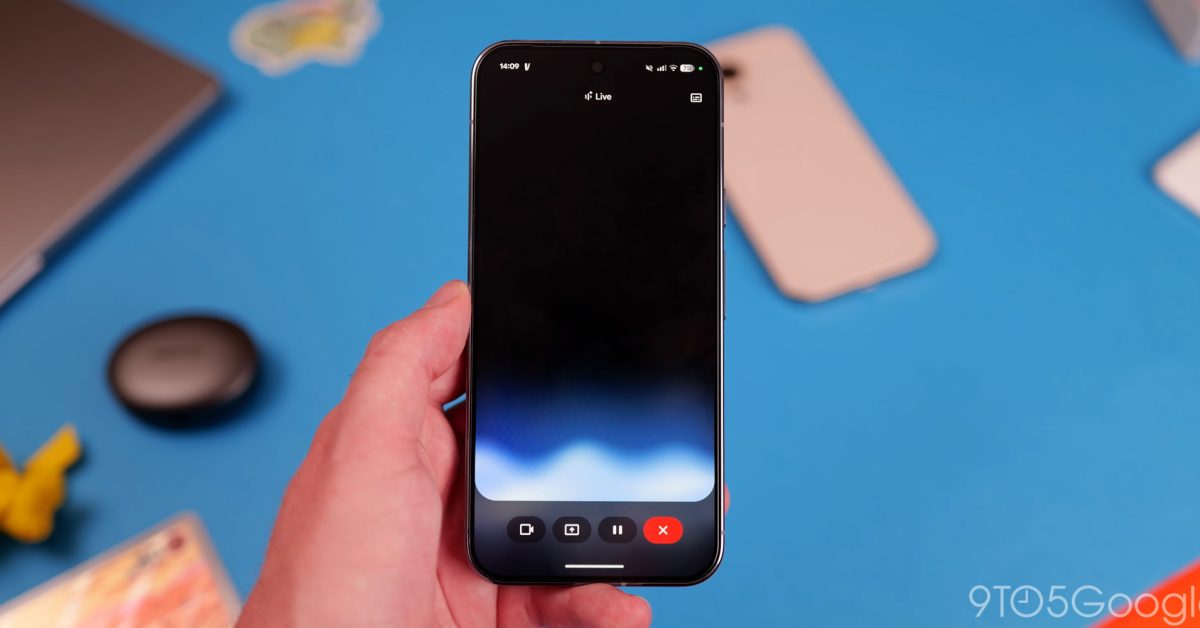
google phone app preps expressive calling to The Google Phone app is set to introduce a new feature called “Expressive Calling,” which will allow users to communicate the nature of their calls, including marking them as urgent.
google phone app preps expressive calling to
Overview of Expressive Calling
The upcoming “Expressive Calling” feature aims to enhance the way users interact during phone calls by providing context about the reason for the call. This feature is particularly significant in today’s fast-paced communication landscape, where the urgency of a call can often dictate the response it elicits. With Expressive Calling, users will have the ability to indicate whether their call is urgent, thereby allowing recipients to prioritize their responses accordingly.
Functionality and Features
Expressive Calling will enable users to select predefined tags or messages that describe the nature of their call. This could include options such as “urgent,” “important,” or even more specific tags like “need to discuss a project” or “quick question.” By providing this context, the feature aims to reduce uncertainty and improve communication efficiency.
For instance, if a user marks a call as urgent, the recipient will be alerted to the importance of the call, which may prompt them to answer more quickly than they would for a regular call. This is particularly useful in professional settings where timely communication can be crucial.
Implications for Users
The introduction of Expressive Calling is expected to have several implications for users across various demographics. From professionals to casual users, the ability to convey urgency or importance could significantly alter how calls are perceived and responded to.
Professional Settings
In a professional context, the feature could streamline communication among teams and clients. For example, if a project manager needs to discuss a critical issue with a team member, marking the call as urgent could ensure that the team member prioritizes the call over others. This could lead to quicker decision-making and more efficient workflows.
Moreover, the feature could help in managing expectations. If a client sees that a call is marked as urgent, they may be more inclined to answer, knowing that the matter at hand requires immediate attention. This could foster better relationships between clients and service providers, as communication becomes more transparent and efficient.
Casual Communication
For casual users, the Expressive Calling feature could enhance personal communication as well. Friends and family members often juggle multiple responsibilities, and being able to indicate the urgency of a call could help them prioritize their responses. For instance, if someone needs immediate assistance or wants to share important news, marking the call as urgent could prompt a quicker response from the recipient.
Additionally, the feature may help reduce the frustration often associated with unanswered calls. Users may feel more empowered to communicate their needs, knowing that they can convey the importance of their call effectively.
Stakeholder Reactions
The announcement of the Expressive Calling feature has garnered mixed reactions from various stakeholders, including users, industry experts, and competitors.
User Feedback
Initial user feedback has been largely positive, with many expressing excitement about the potential for improved communication. Users appreciate the idea of being able to convey urgency without having to rely solely on verbal cues. Some have pointed out that this feature could help mitigate misunderstandings that often arise in phone conversations.
However, some users have raised concerns about the potential for misuse. For instance, there is a worry that individuals might mark calls as urgent when they are not, leading to confusion and frustration. This concern highlights the importance of ensuring that the feature is used responsibly and that users understand the implications of marking a call as urgent.
Industry Experts
Industry experts have also weighed in on the potential impact of Expressive Calling. Many believe that this feature could set a new standard for communication apps, pushing competitors to innovate and improve their own calling features. The ability to convey context during calls is seen as a significant advancement in user experience.
Experts have noted that while the feature is a step in the right direction, it will be essential for Google to implement it thoughtfully. Ensuring that users can easily access and utilize the feature without confusion will be crucial for its success.
Competitor Response
Competitors in the communication app space are likely to take notice of Google’s new feature. Companies like Apple and Microsoft may feel pressure to enhance their own calling functionalities to remain competitive. The introduction of Expressive Calling could prompt a wave of innovation as companies strive to offer similar or improved features.
Moreover, the feature could influence how other communication platforms, such as messaging apps, approach user interactions. As users become accustomed to expressing urgency in calls, they may begin to expect similar functionalities in text messaging and video calls.
Technical Considerations
From a technical standpoint, the implementation of Expressive Calling will require careful planning and execution. Google will need to ensure that the feature integrates seamlessly with existing functionalities within the Phone app. This includes considerations for user interface design, accessibility, and overall user experience.
User Interface Design
The user interface (UI) will play a critical role in how effectively users can utilize the Expressive Calling feature. Google will need to design an intuitive interface that allows users to easily select and communicate the urgency of their calls. This may involve creating a simple menu or button that users can access before making a call.
Additionally, the UI should provide clear feedback to users about how their call is being marked. For example, visual indicators could show that a call has been marked as urgent, helping to reinforce the importance of the communication.
Accessibility
Accessibility is another important consideration. Google must ensure that the Expressive Calling feature is usable by individuals with varying abilities. This may involve implementing voice commands or other assistive technologies to help users mark their calls effectively.
Furthermore, Google should consider how the feature will be received by users in different regions and cultures. The concept of urgency may vary significantly across different contexts, and Google will need to account for these differences in its implementation.
Future Developments
The introduction of Expressive Calling is just one of many potential developments in the Google Phone app. As technology continues to evolve, users can expect further enhancements aimed at improving communication.
Integration with Other Google Services
One potential avenue for future development is the integration of Expressive Calling with other Google services. For instance, linking the feature with Google Calendar could allow users to mark calls as urgent based on scheduled meetings or deadlines. This could create a more cohesive experience for users, as their communication tools become more interconnected.
Additionally, Google could explore the possibility of incorporating AI-driven suggestions for marking calls. For example, if the app detects that a user frequently marks calls as urgent during specific times or for particular contacts, it could suggest similar markings in the future.
Feedback and Iteration
As with any new feature, ongoing user feedback will be crucial for the success of Expressive Calling. Google will need to actively solicit input from users to understand how the feature is being utilized and where improvements can be made. This iterative approach will help ensure that the feature meets the needs of its user base and continues to evolve over time.
Conclusion
The introduction of the Expressive Calling feature in the Google Phone app represents a significant step forward in enhancing communication. By allowing users to convey the urgency of their calls, Google aims to improve the efficiency and effectiveness of phone interactions. As the feature rolls out, it will be interesting to see how it impacts user behavior and communication norms.
With careful implementation and ongoing feedback, Expressive Calling has the potential to reshape the way users approach phone calls, making communication more transparent and responsive to the needs of individuals in both personal and professional contexts.
Source: Original report
Was this helpful?
Explore more: Mobile App Development More Mobile Technology Tech News
Last Modified: November 21, 2025 at 12:37 pm
13 views