google nest hub apps have mostly disappeared Google’s Nest Hub has seen a significant reduction in its app offerings since its initial launch, raising questions about the platform’s future and functionality.
google nest hub apps have mostly disappeared
Introduction to Google Nest Hub
Launched in 2018, the Google Nest Hub was designed to be a smart home control center, integrating Google Assistant with a touchscreen interface. The device aimed to simplify user interaction with smart home devices, provide information, and serve as a multimedia hub. With its sleek design and voice-activated features, the Nest Hub quickly gained popularity among consumers looking for a versatile smart display.
The Introduction of Apps in 2021
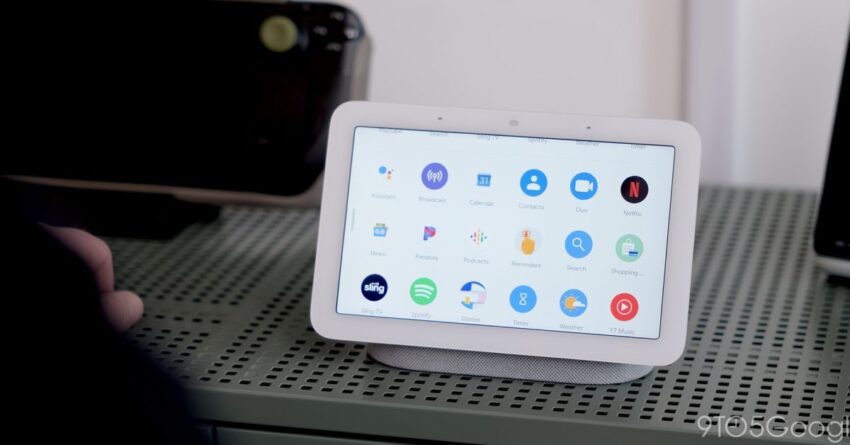
In 2021, Google introduced a significant update to the Nest Hub, which included a feature that allowed users to access specific functions through a selection of “apps.” This update was seen as a major enhancement, as it provided a more intuitive way to interact with the device. Users could easily navigate through various functionalities, such as controlling smart home devices, streaming music, and accessing information like weather updates or calendar events.
Features of the 2021 Update
The 2021 update brought several key features that aimed to enhance user experience:
- Touchscreen Navigation: Users could tap on icons to access different functionalities, making it easier to use the device without relying solely on voice commands.
- Expanded Functionality: The update included a range of apps that allowed users to control compatible smart home devices, play music from various streaming services, and even display recipes while cooking.
- Personalization: The interface could be customized to display frequently used apps, allowing users to tailor the experience to their preferences.
The Decline of Apps
Despite the initial excitement surrounding the app feature, users have reported a significant decline in the availability and functionality of these apps over the past year. Many of the apps that were once accessible have either disappeared or become less functional, leading to frustration among users who relied on these features.
User Experiences and Feedback
Numerous users have taken to forums and social media to express their dissatisfaction with the diminishing app offerings. Many have noted that the apps they frequently used are no longer available, and the overall functionality of the Nest Hub has been compromised. This decline has raised concerns about the long-term viability of the platform.
Reasons for the Disappearance
While Google has not provided a clear explanation for the reduction in app offerings, several factors may contribute to this trend:
- Market Competition: The smart home market has become increasingly competitive, with various companies offering similar devices and functionalities. Google may be reevaluating its strategy in response to this competition.
- Focus on Core Features: Google may be shifting its focus back to core functionalities of the Nest Hub, such as voice commands and smart home integration, rather than maintaining a wide array of apps.
- Developer Support: The decline in app availability may also be linked to a lack of developer support for the Nest Hub platform, making it challenging to maintain and update existing apps.
Implications for Users
The reduction in app offerings has several implications for users of the Google Nest Hub:
Reduced Functionality
As apps disappear, users may find that the device no longer meets their needs as effectively as it once did. The loss of functionalities that were once easily accessible through apps can lead to a diminished user experience.
Impact on Smart Home Integration
The Nest Hub was marketed as a central hub for smart home devices. The decline in app availability may hinder its ability to serve this purpose effectively, as users may struggle to control their devices without the convenience of dedicated apps.
User Trust and Loyalty
As users express frustration over the diminishing app offerings, there is a risk that they may lose trust in Google’s commitment to the Nest Hub platform. This could lead to decreased customer loyalty and a shift toward competing products that offer more robust app support.
Stakeholder Reactions
The reactions from various stakeholders, including users, developers, and industry analysts, have been mixed:
User Reactions
Many users have expressed disappointment and frustration over the changes. Some have taken to social media platforms to voice their concerns, while others have considered switching to alternative smart display options. The sentiment among users suggests a growing dissatisfaction with the direction of the Nest Hub.
Developer Perspectives
Developers who previously created apps for the Nest Hub have also voiced concerns. Some have noted that the lack of support and resources from Google has made it challenging to maintain existing apps or develop new ones. This has led to a perception that the platform may not be a viable option for app development moving forward.
Industry Analysts’ Insights
Industry analysts have weighed in on the situation, suggesting that Google’s decision to reduce app offerings may be a strategic move to streamline the platform. However, they caution that this could backfire if users feel that the device is no longer meeting their needs. Analysts emphasize the importance of maintaining a balance between core functionalities and app support to ensure user satisfaction.
Future of Google Nest Hub
The future of the Google Nest Hub remains uncertain as the platform navigates these challenges. Several potential paths could shape its trajectory:
Reinvention of the Platform
Google may choose to reinvent the Nest Hub by focusing on enhancing core functionalities and improving the integration of smart home devices. This could involve streamlining the user interface and ensuring that voice commands remain the primary method of interaction.
Rebuilding Developer Relationships
To revive the app ecosystem, Google could invest in rebuilding relationships with developers. This could involve providing better support, resources, and incentives for developers to create and maintain apps for the Nest Hub platform.
Expanding Compatibility
Another potential avenue for the Nest Hub’s future could involve expanding compatibility with a wider range of smart home devices and services. By ensuring that the device can seamlessly integrate with various ecosystems, Google could enhance its appeal to consumers.
Conclusion
The decline of app offerings on the Google Nest Hub raises important questions about the platform’s future and its ability to meet user needs. As users express frustration and developers face challenges, Google must navigate these issues carefully to maintain its position in the competitive smart home market. The next steps taken by Google will be crucial in determining whether the Nest Hub can regain its status as a leading smart display or if it will continue to lose ground to competing products.
Source: Original report
Was this helpful?
Last Modified: January 31, 2026 at 7:52 am
1 views