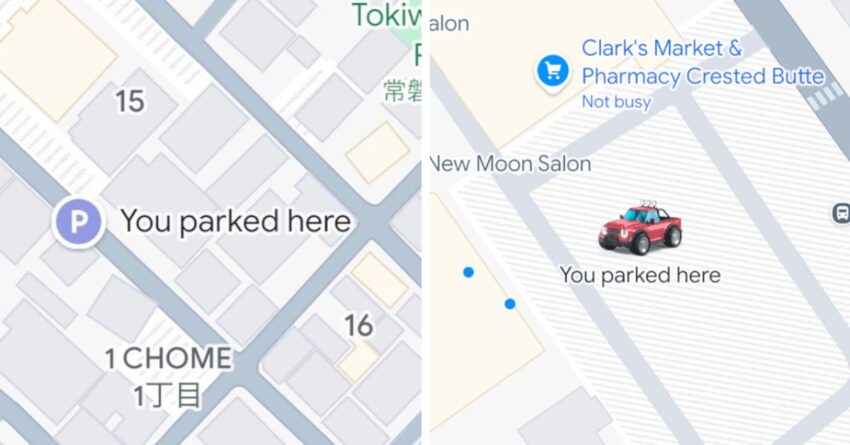
google maps parking location now automatically saves Google Maps has introduced a significant update for iOS users, enhancing the parking experience by automatically detecting and saving vehicle locations, accompanied by custom icons.
google maps parking location now automatically saves
Overview of the Update
In a bid to improve user convenience, Google Maps has implemented a feature that automatically recognizes when a user has parked their vehicle. This update is particularly beneficial for those who often forget where they parked, a common issue in crowded urban environments. The app now not only saves the parking location but also displays it with a distinctive custom icon, making it easier for users to identify their vehicle’s location at a glance.
Automatic Parking Detection
The automatic parking detection feature is designed to streamline the process of locating a parked vehicle. Previously, users had to manually drop a pin on the map to indicate where they parked, which could be cumbersome, especially in busy areas. With this new functionality, Google Maps utilizes a combination of GPS data and motion sensors to determine when a vehicle has come to a stop for an extended period, signaling that parking has occurred.
This feature is particularly useful in large parking lots or urban settings where multiple vehicles are parked in close proximity. By automatically saving the parking location, Google Maps alleviates the stress of trying to remember where a vehicle is parked, especially after a long day of shopping or attending events.
Custom Icons for Parking Locations
In addition to automatic detection, Google Maps now allows users to see their parking location marked with a custom icon. This visual enhancement not only makes it easier to spot the vehicle on the map, but it also adds a personal touch to the user experience. Users can choose from a variety of icons to represent their parked vehicle, allowing for a more customized and engaging interface.
The introduction of custom icons is part of a broader trend in app design, where personalization is becoming increasingly important. Users appreciate having the ability to tailor their experience, and this feature aligns with that expectation. It also enhances the overall usability of the app, making it more intuitive and user-friendly.
Background on Google Maps Features
Google Maps has long been a leader in navigation and mapping services, continually evolving to meet the needs of its users. Over the years, the platform has introduced numerous features aimed at improving the overall user experience. From real-time traffic updates to public transportation information, Google Maps has consistently sought to provide comprehensive and accurate information.
The parking location feature is just one of many enhancements that have been rolled out in recent years. Other notable features include the ability to view street-level imagery through Google Street View, the integration of local business information, and the introduction of augmented reality navigation. Each of these features contributes to making Google Maps an indispensable tool for millions of users worldwide.
Implications for Users
The automatic parking detection and custom icon features have several implications for users. Firstly, they significantly reduce the cognitive load associated with remembering where a vehicle is parked. This is particularly beneficial for individuals who frequently visit large venues, such as stadiums, shopping malls, or airports, where parking can be a daunting task.
Moreover, the update enhances safety and security. Users can quickly locate their vehicles, reducing the time spent wandering through parking lots, which can sometimes lead to unwanted attention or potential theft. By providing a straightforward way to find parked cars, Google Maps contributes to a more secure experience for its users.
Reactions from Users and Stakeholders
The response to the new features has been largely positive among users. Many have taken to social media to express their appreciation for the convenience that automatic parking detection offers. Users have noted that the feature saves them time and reduces frustration, particularly in busy urban environments.
Stakeholders in the automotive and tech industries have also acknowledged the significance of this update. As vehicles become increasingly connected, the integration of navigation apps with vehicle technology is expected to grow. Features like automatic parking detection could pave the way for further innovations in smart vehicle technology, where apps can communicate directly with vehicles to provide real-time updates and assistance.
Future Developments in Google Maps
As Google Maps continues to evolve, it is likely that we will see further enhancements to the parking feature and other aspects of the app. The integration of artificial intelligence (AI) and machine learning could lead to even more sophisticated parking solutions, such as predicting available parking spots based on real-time data.
Additionally, Google may explore partnerships with parking facilities to provide users with real-time availability information, allowing them to reserve spots in advance. Such developments would not only improve the user experience but also contribute to more efficient urban mobility.
Comparison with Competitors
Google Maps is not the only navigation app offering parking features. Competitors like Waze, Apple Maps, and various dedicated parking apps also provide users with tools to locate parking spaces. However, Google Maps’ integration of automatic detection and custom icons sets it apart from many of its competitors.
While Waze focuses heavily on community-driven traffic updates and Apple Maps has made strides in improving its navigation capabilities, Google Maps continues to lead in terms of comprehensive features and user engagement. The introduction of automatic parking detection is a clear indication of Google’s commitment to enhancing user experience and staying ahead in the competitive landscape of navigation services.
Conclusion
The recent update to Google Maps, featuring automatic parking detection and custom icons for parked vehicles, represents a significant advancement in user convenience and personalization. By leveraging technology to simplify the parking experience, Google Maps continues to solidify its position as a leader in navigation services. As users increasingly rely on their smartphones for everyday tasks, features like these will play a crucial role in shaping the future of mobile applications.
As Google Maps evolves, it will be interesting to observe how these features develop and what new innovations will emerge in the realm of navigation and parking solutions. The integration of user feedback and technological advancements will undoubtedly drive the next wave of enhancements, ensuring that Google Maps remains a vital tool for millions of users around the globe.
Source: Original report
Was this helpful?
Explore more: Mobile App Development More Mobile Technology Tech News
Last Modified: December 9, 2025 at 8:44 pm
21 views