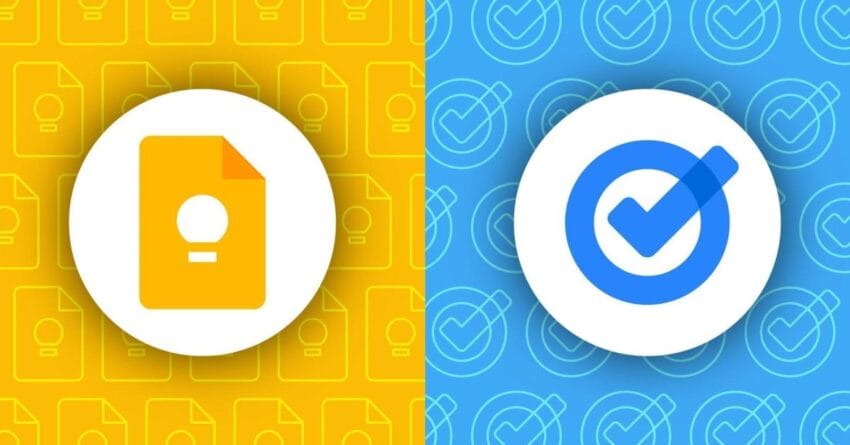
google keep rolling out reminders-to-tasks migration Google Keep is transitioning its legacy reminders system to integrate with Google Tasks, a change that is now being implemented across its user base.
google keep rolling out reminders-to-tasks migration
Overview of the Transition
In a significant move aimed at streamlining productivity tools, Google has announced that Google Keep will be phasing out its traditional reminders feature in favor of Google Tasks. This transition was initially previewed last year, and users are now starting to see the rollout of this migration. The integration aims to provide a more cohesive experience for users who rely on Google’s suite of productivity applications.
What This Means for Users
The migration from reminders to Tasks is designed to enhance functionality and user experience. Google Keep users will notice that their existing reminders will automatically be converted into tasks within Google Tasks. This change is expected to simplify task management by consolidating reminders and tasks into a single platform.
Features of Google Tasks
Google Tasks offers several features that enhance task management, including:
- Subtasks: Users can create subtasks under main tasks, allowing for better organization and tracking of complex projects.
- Due Dates: Tasks can be assigned due dates, helping users prioritize their workload effectively.
- Integration with Other Google Services: Google Tasks seamlessly integrates with Gmail and Google Calendar, making it easier to manage tasks alongside emails and events.
- Cross-Device Syncing: Users can access their tasks across multiple devices, ensuring that they can stay organized whether they are at home, at work, or on the go.
Implications of the Migration
The transition from reminders to Google Tasks has several implications for users and the broader Google ecosystem. This change is part of a larger trend within Google to unify its productivity tools, making it easier for users to manage their tasks and reminders in one place.
Enhanced User Experience
By consolidating reminders into Google Tasks, Google aims to provide a more streamlined user experience. Users will benefit from a more robust task management system that includes features not available in the previous reminders system. This change is particularly beneficial for users who juggle multiple tasks and projects, as it allows for better organization and prioritization.
Potential Challenges
While the migration offers several advantages, it may also present challenges for some users. For instance, users who have heavily relied on the reminders feature may need time to adjust to the new system. Additionally, there may be concerns regarding the loss of specific functionalities that were unique to Google Keep’s reminders.
Stakeholder Reactions
The response to the migration has been mixed among users and industry experts. Some users have expressed excitement about the enhanced features that Google Tasks offers, while others have voiced concerns about the transition process.
User Feedback
Many users have welcomed the change, appreciating the opportunity to utilize a more comprehensive task management system. The integration of Google Tasks with other Google services has been highlighted as a significant advantage, allowing for a more cohesive workflow.
Conversely, some users have expressed frustration over the transition. Concerns have been raised about the potential loss of reminders that were set up in Google Keep, as well as the learning curve associated with adapting to a new system. Users have taken to social media and forums to share their experiences and seek guidance on navigating the changes.
Industry Expert Opinions
Industry experts have weighed in on the implications of this transition. Many view it as a strategic move by Google to streamline its productivity offerings and reduce fragmentation within its ecosystem. Experts believe that by consolidating features, Google can enhance user satisfaction and encourage greater adoption of its productivity tools.
However, some experts caution that the transition must be managed carefully to avoid alienating users who have become accustomed to the existing reminders system. Ensuring a smooth migration process and providing adequate support resources will be crucial in maintaining user trust and satisfaction.
Background on Google Keep and Google Tasks
Google Keep was launched in 2013 as a note-taking service that allowed users to create and organize notes, lists, and reminders. Over the years, it has evolved to include various features, such as voice notes, image capture, and collaboration tools. However, the reminders feature has often been seen as a standalone component that lacked integration with other Google services.
Google Tasks, on the other hand, was introduced in 2008 as a simple task management tool. It has undergone several updates over the years, with the most significant changes occurring in recent years as Google has sought to enhance its functionality and integration with other applications. The decision to migrate reminders from Google Keep to Google Tasks reflects a broader strategy to create a more cohesive suite of productivity tools.
Future Developments
As Google continues to roll out this migration, users can expect further updates and enhancements to both Google Keep and Google Tasks. The company has a history of iterating on its products based on user feedback, and this transition is likely to be no exception.
Potential New Features
In light of the migration, users may see new features introduced to Google Tasks that enhance its functionality even further. Potential developments could include:
- Improved Collaboration Tools: Enhanced features for team collaboration, allowing users to assign tasks to others and track progress collectively.
- Advanced Reminders: More sophisticated reminder options, such as location-based reminders or recurring tasks.
- Integration with Third-Party Apps: Expanding the ability to integrate with other productivity tools and applications outside the Google ecosystem.
Conclusion
The migration of reminders from Google Keep to Google Tasks marks a significant step in Google’s efforts to streamline its productivity tools. While the transition presents both opportunities and challenges, the overall goal is to create a more integrated and user-friendly experience for individuals and teams alike. As the rollout continues, users will need to adapt to the changes and explore the enhanced capabilities that Google Tasks offers. With careful management and user support, this transition has the potential to improve task management for millions of users worldwide.
Source: Original report
Was this helpful?
Explore more: More Big Tech & Platforms Tech News Blog
Last Modified: October 15, 2025 at 11:39 am
12 views