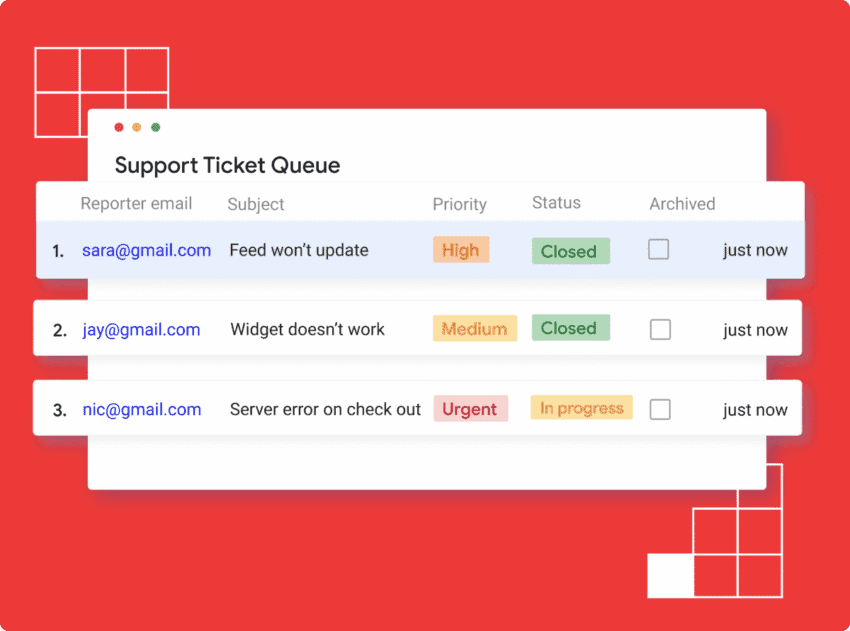
google is shutting down tables its airtable Google has announced the impending shutdown of Tables, its work-tracking tool designed to compete with Airtable, effective December 16, 2025.
google is shutting down tables its airtable
Overview of Google Tables
Launched in 2020, Google Tables was developed as part of Area 120, Google’s in-house incubator for experimental projects. The tool aimed to provide users with a more organized way to manage tasks, track projects, and collaborate with teams. By combining the functionalities of spreadsheets and databases, Tables allowed users to create customizable tables that could be tailored to various workflows. This made it particularly appealing to teams looking for a flexible solution to manage their projects without the complexity of traditional database systems.
Features and Functionality
Google Tables offered a range of features designed to enhance productivity and streamline project management. Some of the notable functionalities included:
- Customizable Tables: Users could create tables that suited their specific needs, allowing for a high degree of customization.
- Collaboration Tools: The platform facilitated real-time collaboration, enabling multiple users to work on the same table simultaneously.
- Integration with Google Workspace: As part of the Google ecosystem, Tables integrated seamlessly with other Google services like Google Drive, Docs, and Sheets, making it easier for users to manage their work.
- Automation Features: Users could automate repetitive tasks, which helped to save time and reduce manual errors.
Despite these features, Tables struggled to gain significant traction in a competitive market dominated by established players like Airtable, Notion, and Trello. This lack of widespread adoption ultimately contributed to the decision to discontinue the service.
Market Context and Competition
The market for project management and work-tracking tools has become increasingly crowded, with numerous options available to consumers and businesses. Airtable, in particular, has emerged as a leader in this space, offering a user-friendly interface and robust features that appeal to a wide range of users, from small teams to large enterprises. Other competitors, such as Asana, ClickUp, and Monday.com, have also carved out significant market share by providing specialized solutions tailored to specific industries or use cases.
Airtable’s Dominance
Airtable’s success can be attributed to its versatility and ease of use. The platform allows users to create databases that can be viewed in various formats, including grids, calendars, and kanban boards. This flexibility has made Airtable a go-to solution for teams in diverse fields, from marketing to software development. Furthermore, Airtable’s extensive integration capabilities with other tools and services have solidified its position as a leading choice for project management.
In contrast, Google Tables, despite its integration with Google Workspace, did not offer the same level of flexibility or user experience that Airtable provided. This disparity likely contributed to its inability to attract a substantial user base, leading to the decision to shut down the service.
Implications of the Shutdown
The shutdown of Google Tables raises several implications for users and the broader market. For existing users, the discontinuation means they will need to transition to alternative solutions before the December 2025 deadline. This could involve migrating data to other platforms, which may be a cumbersome process depending on the complexity of their projects.
Impact on Users
For teams that have integrated Google Tables into their workflows, the shutdown may disrupt ongoing projects and collaboration efforts. Users will need to evaluate their options and select a new tool that meets their needs, which could lead to temporary setbacks as they adapt to a new system. Additionally, the loss of Google Tables may create a gap in the market for users seeking a Google-integrated solution, potentially leaving them with fewer choices.
Reactions from Stakeholders
The announcement has elicited a range of reactions from stakeholders, including users, industry analysts, and competitors. Many users expressed disappointment, particularly those who had invested time and resources into adapting Google Tables for their workflows. Some voiced concerns about the lack of communication from Google regarding the future of the product, suggesting that the company could have provided more transparency about its plans.
Industry analysts have noted that the shutdown reflects a broader trend within Google to streamline its product offerings and focus on core services. In recent years, the company has discontinued several projects that failed to gain traction, including Google Play Music and Google Hangouts. This pattern suggests that Google is prioritizing its resources on products that align more closely with its strategic goals.
Future of Project Management Tools
The discontinuation of Google Tables may also have implications for the future of project management tools in general. As companies increasingly rely on digital solutions to manage their workflows, the demand for versatile and user-friendly platforms will continue to grow. This trend may encourage existing competitors to innovate and enhance their offerings to capture a larger share of the market.
Furthermore, the shutdown could pave the way for new entrants to the market, as startups may see an opportunity to fill the void left by Google Tables. These new solutions could bring fresh perspectives and innovative features that address the evolving needs of users.
Conclusion
The decision to shut down Google Tables underscores the challenges that tech companies face in a competitive landscape. While the tool offered a range of features aimed at improving project management and collaboration, it ultimately could not compete with established players like Airtable. As users prepare for the transition away from Tables, they will need to carefully consider their options and select a new platform that meets their needs. The broader implications of this shutdown may influence the future direction of project management tools, as companies continue to seek solutions that enhance productivity and collaboration.
Source: Original report
Was this helpful?
Explore more: More Big Tech & Platforms Tech News Blog
Last Modified: September 11, 2025 at 8:41 pm
16 views