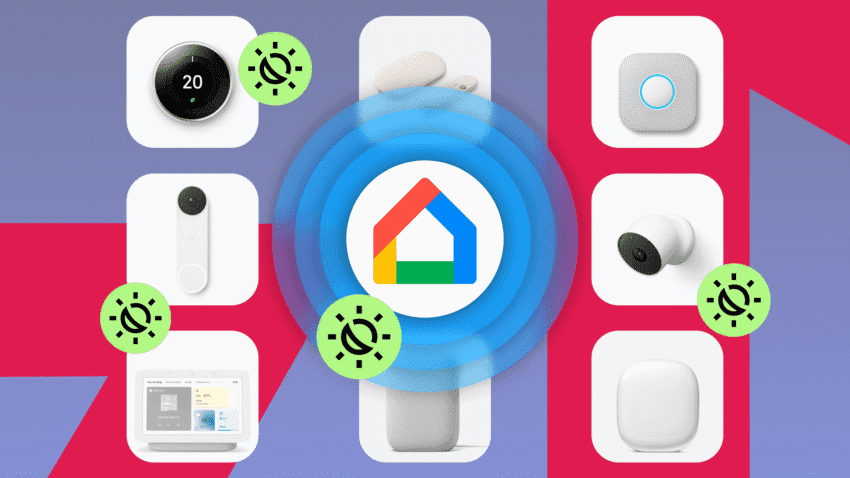
google home teases greatly expanded device support Google Home is making significant strides in enhancing its web application, now allowing users to control a broader range of smart devices beyond just cameras and automations.
google home teases greatly expanded device support
Introduction to Google Home’s Web App Expansion
Google has been gradually improving its Home web app, aiming to bring it closer in functionality to the mobile version. This latest update marks a notable advancement, as the new Devices tab is being rolled out as part of the Public Preview program. Users can now manage various smart home devices, including lights, thermostats, smart plugs, and locks, directly from their web browsers. However, it is important to note that this update does not yet provide a fully comprehensive experience.
Overview of the New Devices Tab
The introduction of the Devices tab is a significant enhancement for users who prefer managing their smart home devices via a web interface. Previously, the web app was limited primarily to controlling cameras and setting up automations. With the new update, users can expect a more versatile platform that supports a wider array of devices. This change aims to streamline the user experience, making it easier for individuals to manage their smart homes without needing to rely solely on mobile applications.
Supported Devices
As part of this update, the following types of devices are now supported:
- Lights: Users can control smart lighting systems, adjusting brightness and color settings directly from the web interface.
- Thermostats: The ability to manage heating and cooling systems is now available, allowing users to set schedules and adjust temperatures.
- Smart Plugs: Users can turn devices on or off remotely, providing greater control over energy consumption.
- Locks: The update includes functionality for managing smart locks, enhancing home security through remote access.
This expanded support is a welcome change for users who have invested in various smart home technologies and prefer a centralized platform for control. However, while the new Devices tab is a step in the right direction, it is essential to recognize that the experience is still evolving.
Current Limitations of the Web App
Despite the advancements, the Google Home web app is not yet fully optimized for all functionalities. Users may encounter limitations in certain features, which can affect their overall experience. Some of the current shortcomings include:
- Incomplete Device Functionality: While many devices are now supported, not all features available on the mobile app may be present in the web version. This could lead to a fragmented experience for users who rely heavily on specific functionalities.
- User Interface Challenges: The web interface may not yet be as intuitive as the mobile app, potentially requiring users to adapt to a different layout and navigation style.
- Performance Issues: As with any new feature rollout, users may experience bugs or performance issues that could hinder usability.
These limitations highlight the ongoing development process of the Google Home web app. While the new features are promising, users should remain aware that the experience may not yet be fully polished.
Implications for Smart Home Users
The expansion of the Google Home web app has several implications for smart home users. First and foremost, it provides greater flexibility in how users interact with their devices. The ability to manage smart home technology from a desktop or laptop can be particularly advantageous for those who prefer larger screens or who may not always have their mobile devices on hand.
Enhanced Accessibility
For users with disabilities or those who may find mobile interfaces challenging, the web app’s expansion can offer a more accessible option for controlling smart home devices. The larger screen size and potential for improved navigation may facilitate a better user experience for these individuals.
Integration with Other Web Services
Another significant advantage of a more robust web app is the potential for integration with other web services. Users may find it easier to connect their Google Home ecosystem with other online platforms, such as home security systems or energy management tools. This could lead to more comprehensive smart home solutions that leverage the strengths of various technologies.
Stakeholder Reactions
The response to the update has been mixed among stakeholders in the smart home industry. Some users have expressed excitement about the new features, appreciating the increased control and flexibility. Others, however, have voiced concerns about the limitations and the need for a more complete experience.
User Feedback
Many users have taken to online forums and social media to share their thoughts on the update. Positive feedback often highlights the convenience of managing multiple devices from a single platform. Users have noted that the new Devices tab makes it easier to monitor and control their smart home environments without switching between apps.
Conversely, some users have pointed out the frustrations associated with the incomplete functionality. Reports of missing features and performance issues have led to calls for Google to prioritize further development of the web app. Users are eager for a seamless experience that mirrors the capabilities of the mobile application.
Industry Perspectives
Industry experts have also weighed in on the update. Some analysts view the expansion as a strategic move by Google to strengthen its position in the smart home market. By enhancing the web app, Google is likely aiming to attract a broader audience, including those who may be hesitant to adopt smart home technologies due to perceived complexities.
However, experts caution that Google must continue to address the limitations of the web app to maintain user interest. The competitive landscape of smart home technology is rapidly evolving, with various companies vying for market share. A robust and fully functional web app could be a significant differentiator for Google in this space.
Future Developments and Expectations
As the Google Home web app continues to evolve, users can anticipate further updates and enhancements. Google has a history of iterating on its products based on user feedback, and the current expansion is likely just the beginning. Future developments may include:
- Expanded Device Compatibility: Google may continue to add support for additional smart home devices, broadening the range of products that can be managed through the web app.
- Improved User Interface: Ongoing refinements to the user interface could enhance usability, making it more intuitive and user-friendly.
- Feature Parity with Mobile App: Google is likely to prioritize achieving feature parity with the mobile app, ensuring that users have access to the same functionalities regardless of the platform they choose.
These potential developments could significantly enhance the overall user experience, making the Google Home web app a more compelling option for managing smart home devices.
Conclusion
The recent update to the Google Home web app represents a significant step forward in expanding device support and enhancing user control. While the introduction of the Devices tab is a welcome change, users should remain aware of the current limitations and ongoing development process. As Google continues to refine its web application, the potential for a more comprehensive and user-friendly experience is promising. Stakeholders, including users and industry experts, will be watching closely as Google navigates this evolving landscape.
Source: Original report
Was this helpful?
Explore more: DevOps Services More Cloud & DevOps Tech News
Last Modified: September 9, 2025 at 4:56 pm
10 views