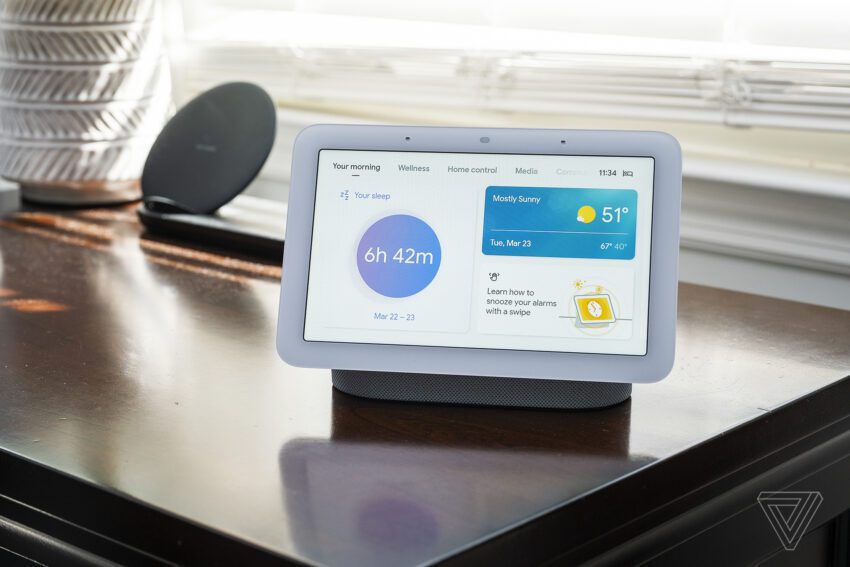
google home s gemini ai can handle Google Home users can now leverage the enhanced capabilities of Gemini AI to execute more complex, multi-step tasks and combine multiple commands into a single request.
google home s gemini ai can handle
Introduction to Gemini 3.1
In a significant update, Google has rolled out Gemini 3.1 for its Home smart assistant, aiming to elevate user experience by improving its ability to interpret and act on more intricate requests. This upgrade is particularly noteworthy as it allows users to engage with the assistant in a more natural and fluid manner, reflecting the growing trend toward more sophisticated AI interactions in smart home technology.
Enhanced Task Management
One of the standout features of Gemini 3.1 is its ability to handle complex, multi-step tasks. This enhancement means that users can now issue commands that require several actions to be completed in sequence. For instance, a user could say, “Turn on the living room lights, set the thermostat to 72 degrees, and play my evening playlist,” all in one command. Previously, users would have to issue these commands separately, which could be cumbersome and time-consuming.
Combining Multiple Tasks
The ability to combine multiple tasks into a single command is a game-changer for efficiency. This feature is particularly beneficial for users who have busy lifestyles and want to streamline their interactions with their smart home devices. By reducing the number of commands needed to achieve a desired outcome, Gemini 3.1 not only saves time but also enhances the overall user experience.
Improved Event Management
Another significant improvement in Gemini 3.1 is its enhanced capability to manage recurring and all-day events. Users can now ask the assistant to handle these events more effectively, which is crucial for those who rely on their smart home devices for scheduling and reminders. For example, users can say, “Remind me about my weekly meeting every Tuesday at 10 AM,” and Gemini will ensure that the reminder is set up correctly.
Moreover, the feature that allows users to “move around” upcoming events adds a layer of flexibility that was previously lacking. Users can now adjust their schedules with simple voice commands, making it easier to adapt to changes in their plans. This is particularly useful for families or individuals with dynamic schedules, as it allows for quick modifications without the need to manually adjust settings through an app.
Natural Language Processing Improvements
Last month, Google also introduced enhancements to Gemini’s natural language processing capabilities. These improvements are designed to make the assistant more adept at understanding user commands in a conversational context. The goal is to make interactions feel more intuitive and less robotic, which is essential for user satisfaction.
Understanding Context
The ability to understand context is a critical component of natural language processing. With the latest updates, Gemini can better grasp the nuances of user requests, allowing for more accurate responses. For instance, if a user asks, “What’s on my calendar for today?” followed by “And what about tomorrow?” Gemini can seamlessly transition between the two queries without requiring the user to repeat context or details.
Device Identification
Another area of focus in the recent updates is the assistant’s capability to identify devices correctly. Users often have multiple smart devices in their homes, and confusion can arise when commands are issued. The improvements in device identification mean that users can now say commands like, “Turn off the kitchen lights,” and Gemini will know exactly which device to control, reducing the likelihood of errors.
Addressing Previous Bugs
The rollout of Gemini 3.1 comes in the wake of reports highlighting bugs in Google’s smart home assistant. Users had experienced issues such as the assistant confusing different devices or failing to execute commands accurately. The updates aim to address these shortcomings, providing a more reliable and user-friendly experience.
User Feedback and Reactions
Feedback from users has been mixed regarding the previous iterations of Gemini. While many appreciated the innovative features, others expressed frustration over the bugs and inconsistencies. The introduction of Gemini 3.1 appears to be a direct response to this feedback, indicating Google’s commitment to refining its technology based on user experiences.
Stakeholder Reactions
Industry analysts have noted that these updates are crucial for Google to maintain its competitive edge in the smart home market. As more consumers adopt smart home technology, the demand for seamless and efficient interactions with these devices continues to grow. By enhancing Gemini’s capabilities, Google is positioning itself as a leader in the AI-driven smart home sector.
Implications for the Smart Home Ecosystem
The advancements in Gemini 3.1 have broader implications for the smart home ecosystem. As AI technology continues to evolve, the expectations of consumers will also rise. Users will increasingly seek out devices that offer not just functionality but also intuitive interaction. This trend may push other companies in the smart home space to enhance their own AI capabilities to remain competitive.
Future Developments
Looking ahead, it is likely that Google will continue to refine Gemini and its capabilities. The focus on natural language processing and task management indicates a commitment to making AI assistants more user-friendly. Future updates may include even more sophisticated features, such as predictive capabilities that anticipate user needs based on past behavior.
Integration with Other Services
Another area for potential growth is the integration of Gemini with other Google services. As users become more reliant on smart home technology, the ability to connect with other platforms—such as Google Calendar, Gmail, and even third-party applications—could enhance the overall functionality of the assistant. This would allow users to manage their lives more holistically through a single interface.
Conclusion
The launch of Gemini 3.1 marks a significant step forward for Google Home users, enabling them to engage with their smart assistant in a more complex and meaningful way. With enhancements in task management, natural language processing, and device identification, the update aims to provide a more seamless user experience. As Google continues to refine its technology, the implications for the smart home ecosystem are profound, potentially setting new standards for AI-driven interactions in the future.
Source: Original report
Was this helpful?
Explore more: AI Automation Services More AI & Automation Tech News
Last Modified: May 6, 2026 at 3:37 am
7 views