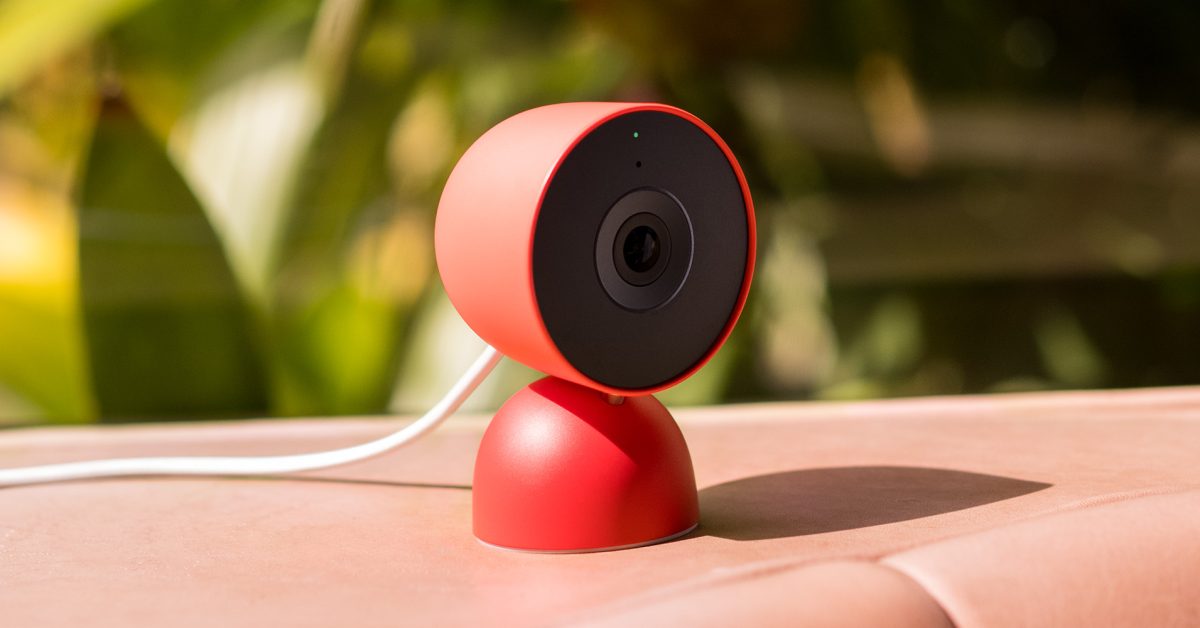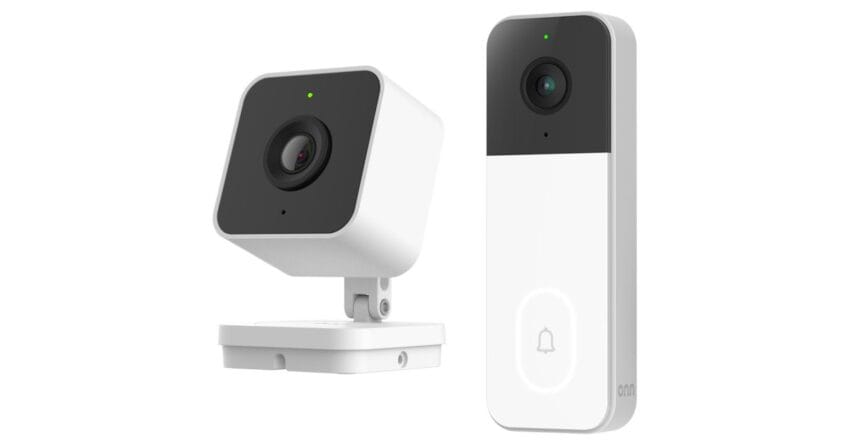
google home expanding nest gemini features to Google is set to enhance its Google Home and Nest Cam ecosystem by allowing third-party cameras to integrate with its advanced Gemini features, starting with an affordable camera option from Walmart.
google home expanding nest gemini features to
Introduction to Google’s Gemini Revamp
In a significant update to its smart home technology, Google has introduced a major revamp known as Gemini, which aims to enhance the functionality of Google Home and Nest Cam devices. This initiative is not just about improving existing features; it represents a strategic shift towards inclusivity in the smart home ecosystem. By opening the doors for third-party camera brands to access Gemini’s capabilities, Google is positioning itself to create a more interconnected and versatile smart home experience.
The Role of Third-Party Integration
Historically, Google’s smart home devices have operated within a somewhat closed ecosystem, primarily focusing on its own products. However, the introduction of Gemini marks a pivotal change in this approach. By allowing third-party cameras to integrate with its platform, Google is acknowledging the growing demand for interoperability among smart home devices. This move not only enhances user experience but also fosters competition among manufacturers, potentially leading to better products at lower prices.
Walmart’s Affordable Camera Offering
The first third-party camera to benefit from this integration is an affordable option priced at just $23, available through Walmart. This price point is particularly noteworthy, as it makes smart home technology accessible to a broader audience. The camera is expected to support various Gemini features, allowing users to leverage advanced functionalities without the need for a significant financial investment.
Features of the Walmart Camera
While specific details about the Walmart camera’s features are still emerging, it is anticipated that it will include essential functionalities such as:
- High-definition video streaming
- Night vision capabilities
- Motion detection alerts
- Two-way audio communication
These features, combined with Gemini’s advanced integration, promise to deliver a comprehensive smart home security solution that is both affordable and effective.
Understanding Gemini’s Capabilities
Gemini is designed to enhance the overall functionality of Google Home and Nest devices, providing users with a range of advanced features that were previously limited to Google’s own hardware. Some of the key capabilities of Gemini include:
- Enhanced AI Integration: Gemini utilizes advanced artificial intelligence to improve the responsiveness and adaptability of smart home devices.
- Seamless Device Communication: The platform allows for better communication between different devices, enabling them to work together more efficiently.
- Customizable Alerts: Users can set personalized alerts based on specific triggers, enhancing security and convenience.
- Advanced Analytics: Gemini provides insights into device usage patterns, helping users optimize their smart home setup.
These features are expected to significantly enhance the functionality of third-party cameras, making them more competitive with Google’s own offerings.
Implications for the Smart Home Market
The introduction of third-party camera integration through Gemini could have far-reaching implications for the smart home market. By enabling a wider range of devices to connect and communicate, Google is fostering a more inclusive environment that encourages innovation and competition. This could lead to several potential outcomes:
- Increased Competition: With more brands able to access Gemini’s features, competition among manufacturers is likely to intensify, resulting in better products and pricing for consumers.
- Broader Adoption of Smart Home Technology: Lower-priced options, such as the Walmart camera, may encourage more consumers to adopt smart home technology, expanding the market.
- Enhanced User Experience: As more devices become compatible with Gemini, users can enjoy a more seamless and integrated smart home experience.
Stakeholder Reactions
The response from stakeholders in the smart home industry has been largely positive. Manufacturers see this as an opportunity to expand their product offerings and reach new customers. Retailers, particularly those like Walmart that focus on affordability, are likely to benefit from increased sales as consumers look for budget-friendly smart home solutions.
Consumers, on the other hand, are expected to welcome the increased choices available to them. The ability to select from a variety of brands and price points will empower users to tailor their smart home setups according to their specific needs and budgets.
Industry Expert Opinions
Industry experts have weighed in on the significance of this development. Many believe that Google’s move to open its platform is a sign of the times, reflecting a broader trend towards interoperability in the tech industry. “As consumers demand more flexibility and integration from their devices, companies like Google must adapt to stay relevant,” said a leading analyst in smart home technology.
Challenges Ahead
Despite the positive outlook, there are challenges that Google and third-party manufacturers may face as they navigate this new landscape. Some of the potential challenges include:
- Quality Control: Ensuring that third-party devices meet Google’s quality standards will be crucial for maintaining user trust.
- Security Concerns: With more devices connected to the network, the risk of security vulnerabilities may increase, necessitating robust security measures.
- Consumer Education: Educating consumers about the benefits and functionalities of third-party integrations will be essential for widespread adoption.
Future Prospects
Looking ahead, the future of Google Home and Nest devices appears promising with the introduction of Gemini and third-party integrations. As more brands join the ecosystem, users can expect a wider variety of devices that cater to different needs and preferences. This could lead to a more vibrant and dynamic smart home market, where innovation thrives and consumers benefit from enhanced choices.
Furthermore, Google’s commitment to expanding its ecosystem could pave the way for future collaborations with other tech giants, potentially leading to even more advanced integrations and features. As the smart home landscape continues to evolve, users will likely see a growing emphasis on user-friendly interfaces, enhanced security measures, and seamless connectivity across devices.
Conclusion
Google’s decision to expand its Gemini features to third-party cameras, starting with an affordable option from Walmart, marks a significant shift in the smart home market. By embracing interoperability and inclusivity, Google is not only enhancing its own product offerings but also setting a new standard for the industry. As consumers gain access to a broader range of devices and features, the future of smart home technology looks brighter than ever.
Source: Original report
Was this helpful?
Explore more: AI Automation Services More AI & Automation Tech News
Last Modified: October 1, 2025 at 8:01 pm
10 views