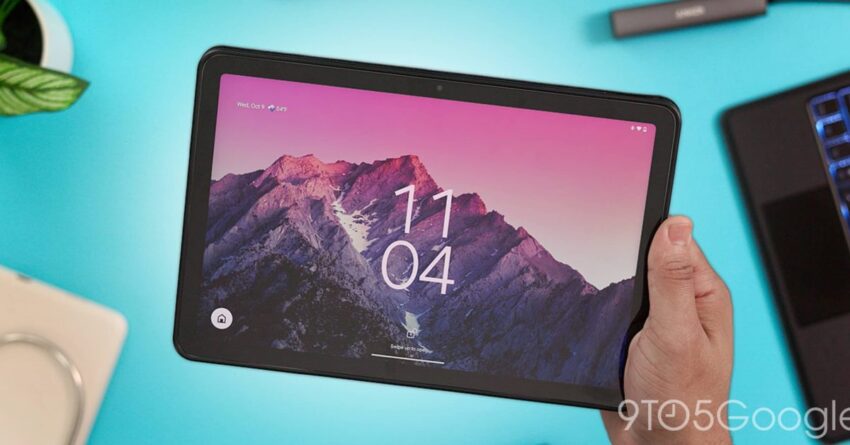
google gives pixel tablet another two years Google has announced that its Pixel Tablet will receive an additional two years of Android OS updates, extending its software support to match that of its smartphone lineup.
google gives pixel tablet another two years
Background on the Pixel Tablet
Launched in 2023, the Pixel Tablet was Google’s first major foray into the tablet market in several years. Designed to complement the Pixel smartphone ecosystem, the device aimed to provide a seamless experience for users who are already invested in Google’s hardware and software. The tablet features a 10.95-inch display, powered by Google’s custom Tensor G2 chip, and runs on Android 13, optimized for large-screen devices.
Despite its promising specifications and integration with Google services, the Pixel Tablet initially struggled to gain traction in a market dominated by established players like Apple and Samsung. The device was often overshadowed by the more popular Pixel smartphones, leading to a perception that it was a secondary product within Google’s hardware portfolio. This perception was compounded by the limited marketing efforts surrounding the tablet, which did not receive the same level of attention as its smartphone counterparts.
Update Announcement
In a recent announcement, Google confirmed that the Pixel Tablet will receive two additional years of Android OS updates, extending its support to a total of five years. This decision aligns the tablet’s update policy with that of Google’s Pixel smartphones, which have also been promised five years of software updates. The move is significant for current and prospective Pixel Tablet users, as it enhances the longevity and usability of the device.
Implications of Extended Support
The extension of software support has several implications for both users and Google. For users, the promise of additional updates means that they can expect ongoing improvements in security, performance, and new features. This is particularly important in an era where cybersecurity threats are increasingly prevalent, and regular updates are essential for maintaining device security.
Moreover, the extended support period could enhance the resale value of the Pixel Tablet. As consumers become more conscious of the longevity of their devices, the assurance of continued updates may make the tablet a more attractive option in the second-hand market. This could lead to a more sustainable approach to technology consumption, as users may be more inclined to hold onto their devices longer if they know they will receive ongoing support.
Google’s Commitment to Software Updates
Google’s decision to extend the update policy for the Pixel Tablet reflects a broader commitment to providing long-term support for its hardware. This approach aligns with industry trends where consumers increasingly expect devices to receive updates for several years after their initial release. By matching the update policies of its smartphones, Google is signaling its intent to treat the Pixel Tablet as a serious product in its lineup, rather than an afterthought.
This commitment to software updates is particularly noteworthy given the competitive landscape of the tablet market. Many manufacturers have historically provided limited support for their devices, leading to frustration among users who feel abandoned shortly after purchase. By offering extended updates, Google is positioning itself as a leader in customer support and satisfaction.
Stakeholder Reactions
The announcement has garnered a mixed reaction from stakeholders, including consumers, industry analysts, and competitors. Many current Pixel Tablet users expressed relief and satisfaction at the news, as it alleviates concerns about the device becoming obsolete in a rapidly evolving technological landscape. Social media platforms saw a surge of positive comments from users who felt that the extended support validated their decision to invest in the Pixel Tablet.
Industry analysts have also weighed in, noting that this move could help Google regain some of the market share it has lost to competitors. By enhancing the value proposition of the Pixel Tablet, Google may attract new customers who are looking for a reliable tablet that will receive long-term support. Analysts believe that this strategy could be particularly effective in appealing to consumers who prioritize software longevity when making purchasing decisions.
On the other hand, competitors may view Google’s decision as a challenge. Companies like Apple and Samsung have long been known for their robust software support, and Google’s move could pressure them to reevaluate their own update policies. If consumers begin to prioritize devices with longer software support, it could lead to a shift in market dynamics, forcing competitors to adapt or risk losing customers.
Future of the Pixel Tablet
With the announcement of extended software support, the future of the Pixel Tablet appears more promising. Google has the opportunity to leverage this momentum to enhance its tablet ecosystem further. The company could introduce new features and optimizations specifically designed for the tablet, making it a more compelling option for consumers.
Additionally, Google may consider expanding its tablet lineup in the future. The success of the Pixel Tablet could pave the way for new models that cater to different segments of the market, such as budget-friendly options or high-performance devices aimed at professionals. By diversifying its tablet offerings, Google could establish a more significant presence in the tablet market and compete more effectively against established brands.
Integration with Google Services
Another area where Google can enhance the Pixel Tablet experience is through deeper integration with its suite of services. The tablet already offers seamless access to Google Workspace, Google Photos, and other applications, but there is potential for further enhancements. For instance, Google could introduce features that leverage artificial intelligence and machine learning to improve user experience, such as smarter multitasking capabilities or enhanced productivity tools.
Furthermore, as the trend toward remote work and digital collaboration continues to grow, Google could position the Pixel Tablet as an essential tool for professionals. By emphasizing its capabilities in productivity and collaboration, Google could attract a new demographic of users who may not have considered the tablet previously.
Conclusion
Google’s decision to extend the software update policy for the Pixel Tablet is a significant development that enhances the device’s value proposition. By aligning its tablet update policy with that of its smartphones, Google is demonstrating a commitment to long-term support and customer satisfaction. This move not only benefits current users but also positions the Pixel Tablet as a more attractive option for potential buyers.
As the tablet market continues to evolve, Google’s focus on software longevity and integration with its services could set it apart from competitors. The future of the Pixel Tablet looks promising, and with continued innovation and support, it may carve out a more substantial niche in the competitive landscape.
Source: Original report
Was this helpful?
Last Modified: January 30, 2026 at 5:58 am
9 views