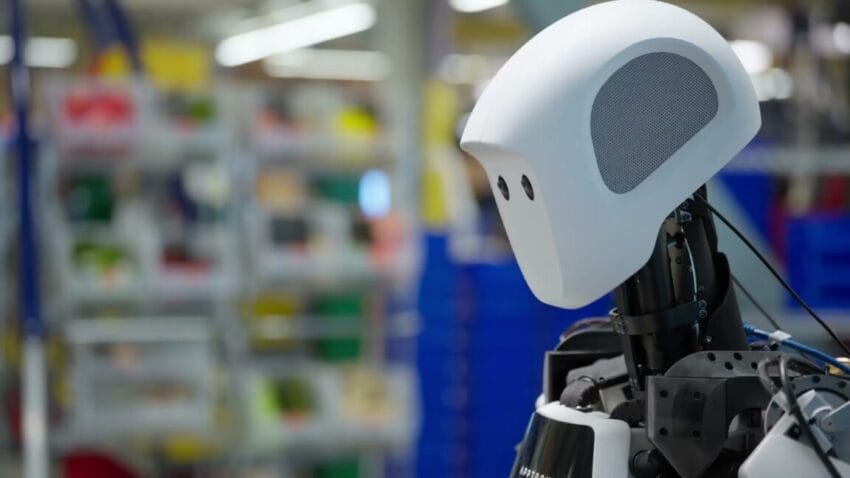
google deepmind unveils its first thinking robotics Google DeepMind has introduced groundbreaking advancements in robotics with the unveiling of its first “thinking” robotics AI, marking a significant leap in the capabilities of autonomous machines.
google deepmind unveils its first thinking robotics
Introduction to Generative AI in Robotics
Generative AI systems, which have gained traction for their ability to create text, images, audio, and video, are now making their way into the realm of robotics. This evolution is not merely a trend but a transformative shift that allows robots to perform tasks with a level of autonomy previously thought unattainable. The Gemini Robotics project from Google DeepMind is at the forefront of this innovation, introducing two new models that enable robots to “think” before acting. This capability represents a significant departure from traditional robotic systems, which often lack the flexibility and adaptability required for varied tasks.
The Role of Generative AI in Robotics
Generative AI is crucial for enhancing the functionality of robots. Traditional robots are typically designed for specific tasks, requiring extensive training and programming to perform even simple functions. Carolina Parada, head of robotics at Google DeepMind, highlighted this limitation, stating, “Robots today are highly bespoke and difficult to deploy, often taking many months in order to install a single cell that can do a single task.” This bespoke nature of current robotic systems makes them inefficient and costly, particularly in dynamic environments where tasks can change rapidly.
In contrast, generative AI empowers robots to adapt to new situations without the need for extensive reprogramming. This adaptability is essential for real-world applications where robots may encounter unforeseen challenges. By leveraging generative models, robots can analyze their surroundings, make decisions, and execute actions based on a broader understanding of their environment. This capability not only streamlines deployment but also enhances the overall utility of robotic systems.
DeepMind’s Gemini Robotics Project
The Gemini Robotics project represents a significant advancement in the field of robotics. DeepMind’s approach is based on two core models: one that focuses on reasoning and another that emphasizes action. This dual-model framework allows robots to process information and make informed decisions before executing tasks, thereby mimicking a form of cognitive thinking.
Understanding the Two Models
The first model, which is responsible for reasoning, analyzes data from the robot’s environment and formulates a plan of action. This model can assess various factors, such as obstacles, potential risks, and the most efficient pathways to achieve a goal. The second model, focused on action, translates the reasoning into physical movements, allowing the robot to interact with its environment effectively.
This separation of reasoning and action is a pivotal development in robotics. Traditional robotic systems often lack the ability to reason about their actions, leading to rigid and inflexible behavior. By incorporating a reasoning model, DeepMind’s robots can evaluate multiple scenarios and choose the most appropriate response, significantly enhancing their operational capabilities.
Implications of Thinking Robotics AI
The introduction of thinking robotics AI has far-reaching implications across various sectors. From manufacturing to healthcare, the ability of robots to think and adapt could revolutionize how tasks are performed. For instance, in manufacturing, robots could seamlessly switch between different assembly lines or adapt to changes in production schedules without requiring extensive reprogramming.
Potential Applications in Various Industries
- Manufacturing: Robots equipped with generative AI could optimize production processes by adjusting to real-time changes in demand or equipment availability.
- Healthcare: In medical settings, robots could assist in surgeries or patient care, adapting their actions based on the specific needs of each patient.
- Logistics: Autonomous delivery robots could navigate complex environments, making decisions about the best routes and methods for delivering goods.
- Agriculture: Farming robots could analyze soil conditions and crop health, adjusting their actions to optimize yield and resource use.
These examples illustrate the potential for thinking robotics AI to enhance efficiency and productivity across various fields. However, the transition to such advanced robotic systems also raises important questions regarding ethics, safety, and job displacement.
Challenges and Considerations
While the advancements in thinking robotics AI are promising, several challenges must be addressed before widespread adoption can occur. One of the primary concerns is safety. As robots become more autonomous, ensuring that they operate safely in human environments is paramount. This includes developing robust fail-safes and ensuring that robots can make ethical decisions in complex situations.
Ethical Implications
The ethical implications of deploying thinking robots are significant. As these machines gain the ability to make decisions, questions arise about accountability and responsibility. Who is liable if a robot makes a mistake that results in harm? Additionally, the potential for job displacement due to increased automation raises concerns about the future of work. While robots can enhance productivity, they may also replace human workers in certain roles, necessitating a reevaluation of workforce training and support.
Stakeholder Reactions
The unveiling of DeepMind’s thinking robotics AI has garnered attention from various stakeholders, including industry experts, researchers, and policymakers. Many in the tech community have expressed enthusiasm about the potential applications of this technology, emphasizing its ability to transform industries. However, there are also voices of caution, urging a careful approach to the deployment of such advanced systems.
Industry Experts
Industry experts have praised the advancements made by DeepMind, highlighting the potential for increased efficiency and productivity. “This is a game-changer for robotics,” said Dr. Emily Chen, a robotics researcher at a leading university. “The ability for robots to think and adapt opens up a world of possibilities that we are just beginning to explore.” However, she also noted the importance of addressing safety and ethical considerations as these technologies are developed.
Regulatory Perspectives
Policymakers are also taking note of the implications of thinking robotics AI. Regulatory bodies are beginning to consider how to establish guidelines and standards for the safe deployment of autonomous systems. “We need to ensure that as we embrace these technologies, we are also protecting the public and ensuring that ethical standards are upheld,” stated Senator Mark Thompson during a recent technology conference.
Conclusion
The unveiling of Google DeepMind’s thinking robotics AI marks a pivotal moment in the evolution of robotics. By integrating generative AI into robotic systems, DeepMind has created machines that can reason and adapt, significantly enhancing their capabilities. While the potential applications are vast and varied, the challenges and ethical considerations associated with this technology must be addressed proactively. As stakeholders across industries and regulatory bodies engage in discussions about the future of robotics, the path forward will require a careful balance between innovation and responsibility.
Source: Original report
Was this helpful?
Last Modified: September 25, 2025 at 9:38 pm
4 views