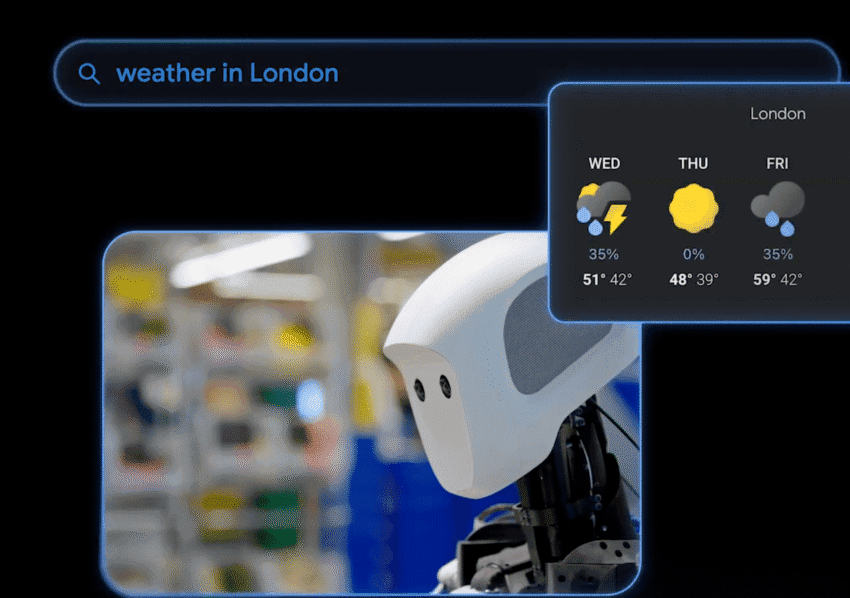
google deepmind s new ai models can Google DeepMind has unveiled upgraded AI models that empower robots to search the web for assistance in completing complex tasks.
google deepmind s new ai models can
Introduction to Gemini Robotics
Google DeepMind has made significant strides in the field of robotics with its latest AI models, Gemini Robotics 1.5 and Gemini Robotics-ER 1.5. These advancements are designed to enhance the capabilities of robots, allowing them to perform more intricate tasks than ever before. During a recent press briefing, Carolina Parada, head of robotics at Google DeepMind, elaborated on how these models enable robots to “think multiple steps ahead” before executing actions in the physical world. This marks a pivotal shift from simple task execution to a more nuanced understanding of complex scenarios.
Capabilities of the New AI Models
The upgraded models represent a significant leap in robotic functionality. Previously, robots were limited to performing singular tasks, such as folding a piece of paper or unzipping a bag. With the introduction of Gemini Robotics 1.5 and Gemini Robotics-ER 1.5, robots can now tackle multifaceted tasks. For instance, they can:
- Separate laundry by dark and light colors.
- Pack a suitcase based on the current weather in a specific location, such as London.
- Assist in sorting trash, compost, and recyclables by utilizing web searches tailored to local requirements.
Parada emphasized the transformative nature of these updates, stating, “The models up to now were able to do really well at doing one instruction at a time in a way that is very general. With this update, we’re now moving from one instruction to actually genuine understanding and problem-solving for physical tasks.” This evolution in robotic capabilities not only enhances their utility but also broadens the scope of tasks they can assist with.
How the Models Work Together
The synergy between Gemini Robotics 1.5 and Gemini Robotics-ER 1.5 is crucial for the enhanced performance of robots. The Gemini Robotics-ER 1.5 model allows robots to develop an understanding of their environment. This understanding is further augmented by the ability to access digital tools, such as Google Search, to gather additional information. Once the robot retrieves relevant data, Gemini Robotics-ER 1.5 translates these findings into natural language instructions for Gemini Robotics 1.5.
This two-step process enables robots to leverage their advanced vision and language understanding capabilities to execute each task effectively. For example, if a robot is tasked with sorting recyclables, it can first search for local recycling guidelines and then follow the instructions derived from that information to complete the task accurately.
Learning Across Different Robot Configurations
Another groundbreaking feature of the new AI models is their ability to facilitate learning across different robot configurations. Google DeepMind has demonstrated that tasks presented to one robot can be effectively transferred to another robot, even if they have different mechanical designs. For instance, the ALOHA2 robot, which consists of two mechanical arms, can perform tasks that are also applicable to the bi-arm Franka robot and Apptronik’s humanoid robot Apollo.
Kanishka Rao, a software engineer at Google DeepMind, highlighted the implications of this capability during the briefing. He stated, “This enables two things for us: one is to control very different robots — including a humanoid — with a single model. And secondly, skills that are learned on one robot can now be transferred to another robot.” This feature not only streamlines the development process for robotic applications but also enhances the efficiency of training robots for various tasks.
Implications for Robotics and AI
The advancements in AI models by Google DeepMind have far-reaching implications for the robotics industry. The ability to perform complex tasks and learn from one another opens up new avenues for automation in various sectors, including healthcare, logistics, and domestic assistance. For instance, in healthcare, robots equipped with these AI models could assist in sorting medical supplies or managing inventory in hospitals. In logistics, they could optimize warehouse operations by efficiently sorting and packing items based on real-time data.
Moreover, the capability to search the web for information allows robots to adapt to dynamic environments and changing requirements. This adaptability is crucial in scenarios where local regulations or guidelines may vary, such as in waste management or food preparation. Robots can now ensure compliance with local standards by accessing the most current information available online.
Challenges and Considerations
Despite the promising advancements, there are challenges and considerations that need to be addressed. One of the primary concerns is the reliability of web-sourced information. While the ability to search the internet enhances a robot’s capabilities, it also raises questions about the accuracy and relevance of the information retrieved. Ensuring that robots can discern credible sources from unreliable ones will be essential for maintaining operational integrity.
Furthermore, the integration of AI models into existing robotic systems may require significant adjustments in hardware and software. Developers will need to ensure compatibility and optimize performance to fully leverage the capabilities of Gemini Robotics 1.5 and Gemini Robotics-ER 1.5. This may involve extensive testing and iteration, which could slow down the deployment of these advanced models in real-world applications.
Developer Access and Future Prospects
As part of the rollout, Google DeepMind is making Gemini Robotics-ER 1.5 available to developers through the Gemini API in Google AI Studio. However, access to Gemini Robotics 1.5 will be limited to select partners initially. This phased approach allows Google DeepMind to gather feedback and refine the models before a broader release.
The future prospects for these AI models are promising. As developers gain access and begin to implement the technology in various applications, the potential for innovation in robotics will likely expand. The ability to create robots that can learn from one another and adapt to new tasks could lead to more sophisticated and capable robotic systems in the near future.
Conclusion
Google DeepMind’s advancements in AI models represent a significant leap forward in the capabilities of robotics. By enabling robots to perform complex tasks and learn from one another, these models open up new possibilities for automation across various sectors. While challenges remain, the potential for innovation is immense, and the future of robotics looks increasingly promising as these technologies continue to evolve.
Source: Original report
Was this helpful?
Explore more: AI Automation Services More AI & Automation Tech News
Last Modified: September 25, 2025 at 9:42 pm
26 views