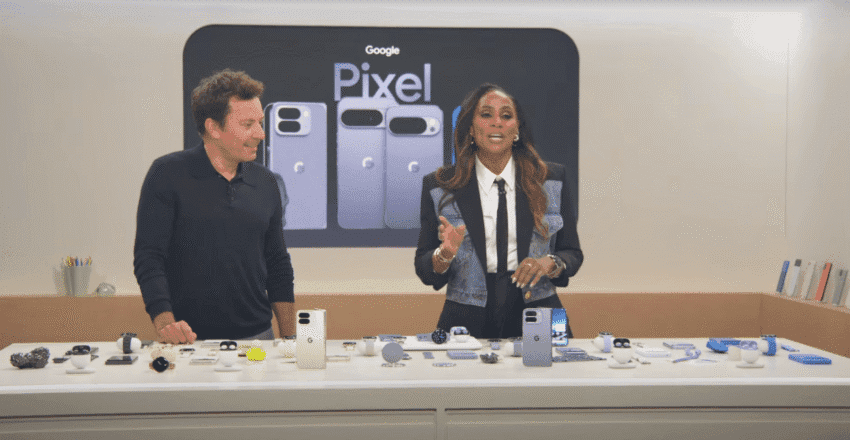
google declares the green vs blue bubbles debate silly and tired: Google declares the green vs blue bubbles — Google's recent Made By Google event featured significant announcements, including the launch of the Pixel 10 lineup and the Pixel Watch 4, while also addressing the long-standing green versus blue bubbles debate..
Google Declares The Green Vs Blue Bubbles
Google’s recent Made By Google event featured significant announcements, including the launch of the Pixel 10 lineup and the Pixel Watch 4, while also addressing the long-standing green versus blue bubbles debate.
Overview of the Made By Google Event
The Made By Google event, held on August 20, 2025, showcased the tech giant’s latest innovations in hardware and artificial intelligence. Hosted by comedian Jimmy Fallon, the event aimed to capture the attention of a broad audience, blending entertainment with technology announcements.
New Product Launches
Among the highlights were the introductions of the Pixel 10 smartphone lineup and the Pixel Watch 4. The Pixel 10 series is expected to feature advanced camera capabilities, improved battery life, and enhanced processing power, positioning it as a strong competitor in the smartphone market. Meanwhile, the Pixel Watch 4 promises to deliver new health tracking features and seamless integration with the Google ecosystem, further solidifying Google’s presence in the wearable technology sector.
The Green vs Blue Bubbles Debate
One of the more controversial discussions surrounding messaging platforms has been the “green vs blue bubbles” debate. This controversy primarily revolves around the differences in messaging between Android and iOS devices. When an iPhone user sends a message to an Android user, the message appears as a green bubble, while messages sent between iPhone users appear as blue bubbles. This distinction has led to social stigma and user preferences, with some iPhone users expressing a preference for blue bubbles as a status symbol.
Google’s Position
During the event, Google’s Vice President of Marketing, Adrienne Lofton, addressed this ongoing debate, declaring it “silly and tired.” Lofton’s comments suggest that Google aims to shift the focus away from the perceived competition between Android and iOS users. Instead, she emphasized the importance of communication across platforms, advocating for a more inclusive approach to messaging.
Implications for Users
Lofton’s statement could signify a strategic pivot for Google, as the company seeks to foster a more unified communication experience among users of different operating systems. By downplaying the green versus blue bubble divide, Google may be positioning its messaging services, such as Google Messages, as a more versatile option that prioritizes user experience over platform loyalty.
Technological Context
The green versus blue bubbles debate is rooted in the technologies used by Apple and Google. Apple’s iMessage uses end-to-end encryption and advanced features that are not available on standard SMS, which is what Android devices typically rely on. This has led to a perception that iPhone users enjoy a superior messaging experience, further fueling the divide.
Market Dynamics
The smartphone market is highly competitive, with Apple and Google vying for dominance. As of late 2025, Apple holds a significant share of the premium smartphone market, while Android devices, including Google’s Pixel line, dominate in terms of overall market share. By addressing the messaging divide, Google may hope to attract users who are hesitant to switch from iOS due to social pressures associated with the blue bubble status.
Future of Messaging
Looking ahead, the messaging landscape may continue to evolve as companies like Google and Apple innovate and adapt to user needs. Google’s emphasis on cross-platform compatibility could lead to enhanced features in Google Messages, such as improved group chats, voice and video calling, and integrated AI functionalities.
AI Integration
During the event, Google also showcased impressive AI demonstrations, highlighting its commitment to integrating artificial intelligence into its products. This may include smarter replies, predictive text, and enhanced search capabilities within messaging apps. Such features could further bridge the gap between different messaging platforms, making communication more seamless for all users.
Conclusion
Google’s declaration that the green versus blue bubbles debate is “over” signals a significant shift in how the company views messaging across platforms. By focusing on inclusivity and user experience, Google aims to create a more cohesive communication environment for all users, regardless of their device preferences. As the tech landscape evolves, it will be interesting to see how this approach influences user behavior and market dynamics in the coming years.
Source: Original reporting
Further reading: Contact us.
Was this helpful?
Explore more: More General Technology Tech News Blog
Last Modified: July 14, 2026 at 11:32 am
11 views