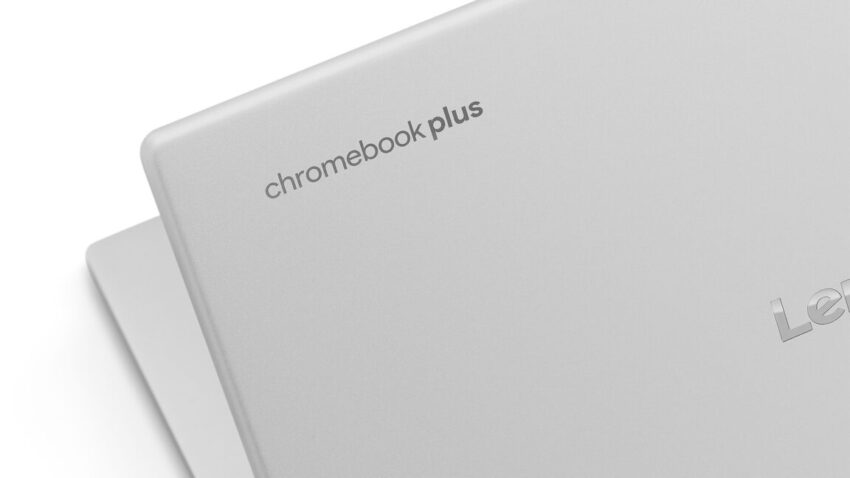
google court filings suggest chromeos has an Recent court filings indicate that Google may have set an expiration date for its ChromeOS, suggesting a significant shift in the company’s computing strategy.
google court filings suggest chromeos has an
Introduction to Chromebooks
Chromebooks first entered the market 16 years ago with the limited release of the Cr-48, a compact laptop that Google distributed for free to select users. This initial foray into the laptop market laid the groundwork for what would become a popular and budget-friendly computing option. Over the years, Chromebooks have gained traction in various sectors, particularly in educational institutions and businesses, where their simplicity and cost-effectiveness have made them a preferred choice.
As of now, Chromebooks are recognized for their lightweight operating system, ChromeOS, which is designed primarily for web-based applications. This focus on cloud computing has allowed Chromebooks to thrive in environments where internet connectivity is readily available, making them particularly appealing to schools that prioritize online learning tools. The rise of Chromebooks has also coincided with the increasing adoption of cloud services, further solidifying their place in the market.
Recent Developments in Google’s Strategy
According to newly uncovered court documents, Google appears to be pivoting towards Android-based PCs, which raises questions about the future of Chromebooks. The documents were filed as part of Google’s ongoing antitrust case, which has been a focal point of legal scrutiny since it began in 2020. The trial reached a verdict in 2024, but Google is still actively seeking to overturn the guilty verdict. Despite this, the company has largely avoided the more severe remedies that government prosecutors had initially requested.
As part of the remedy phase of the trial, Google’s plans for Chromebooks and its upcoming Android-based project, codenamed Aluminium, were discussed in detail. This shift in focus suggests that Google is not only looking to innovate but also to consolidate its product offerings under a unified operating system. The implications of this transition could be far-reaching, particularly for existing Chromebook users and the educational institutions that rely on them.
Implications of the Expiration Date
The court documents suggest that Chromebooks may have an expiration date set for 2034. This timeline raises several questions about the longevity and support of ChromeOS. If Google is indeed planning to phase out ChromeOS in favor of an Android-based system, users may need to consider the implications for their current devices. The transition could affect software updates, security patches, and overall support for existing Chromebook models.
For educational institutions, this news could be particularly concerning. Many schools have invested heavily in Chromebooks, integrating them into their curricula and relying on their ease of use. If Google were to discontinue support for ChromeOS, schools might find themselves needing to invest in new hardware and training for staff and students, which could pose significant logistical and financial challenges.
Google’s Legal Landscape
The ongoing antitrust case against Google is a critical backdrop to these developments. The case has drawn attention to the company’s market dominance and its impact on competition within the tech industry. The trial has revealed various aspects of Google’s business practices, including its strategies for maintaining control over its ecosystem.
Judge Amit Mehta’s final order in the case has specific implications for devices running ChromeOS or any potential successors. The court’s decision to exclude these devices from certain remedies indicates that Google has successfully argued for their continued relevance in the market. However, the requirement for Google to provide more detailed plans regarding its future operating systems suggests that the company is under scrutiny to ensure it does not stifle competition.
The Future of Android-Based PCs
As Google prepares to launch its Android-based Aluminium project, the tech community is watching closely. This new initiative aims to create a more integrated ecosystem that combines the strengths of both Android and ChromeOS. By leveraging the popularity of Android, which has a vast user base and a rich app ecosystem, Google hopes to create a more versatile computing platform that can cater to a broader audience.
However, this transition raises questions about how existing Chromebook users will adapt to a new operating system. Will they be able to migrate their data and applications seamlessly? Will there be a learning curve involved in transitioning from ChromeOS to an Android-based system? These are critical considerations that Google will need to address if it hopes to retain its current user base while attracting new customers.
Stakeholder Reactions
The reactions from various stakeholders regarding Google’s potential shift from ChromeOS to an Android-based system have been mixed. Educational institutions, which have heavily invested in Chromebooks, may express concern over the longevity of their current devices. Many schools have adopted Chromebooks as part of their digital learning strategies, and the prospect of an expiration date could lead to uncertainty about future investments.
On the other hand, tech enthusiasts and industry analysts may view this transition as a positive development. The integration of Android into the PC space could lead to more innovative features and a richer user experience. Android’s extensive app ecosystem could provide users with access to a wider range of applications, enhancing productivity and creativity.
Conclusion
As Google navigates its legal challenges and contemplates the future of its computing platforms, the implications of these developments are significant. The potential expiration date for ChromeOS raises questions about the future of Chromebooks and the support they will receive in the coming years. For educational institutions and businesses that have relied on Chromebooks, this news could prompt a reassessment of their technology strategies.
Ultimately, the success of Google’s transition to an Android-based PC ecosystem will depend on how well it addresses the concerns of its existing user base while also appealing to new customers. As the tech landscape continues to evolve, stakeholders will be keenly observing how Google adapts to these changes and what it means for the future of computing.
Source: Original report
Was this helpful?
Explore more: More Big Tech & Platforms Tech News Blog
Last Modified: February 4, 2026 at 9:40 am
20 views