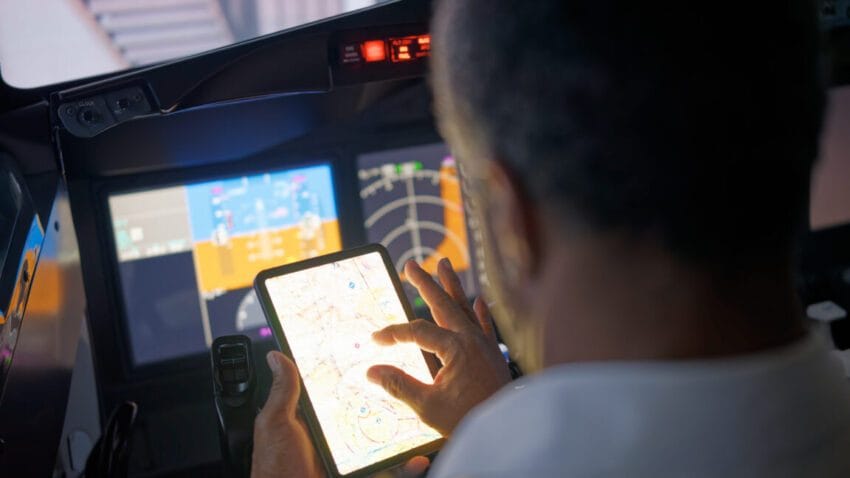
get off the ipad warns air traffic Air traffic control issued a critical warning to a Spirit Airlines flight as it approached Air Force One during a recent journey from the U.S. to the U.K.
get off the ipad warns air traffic
Incident Overview
This week, a significant incident occurred involving Air Force One and a Spirit Airlines flight, designated as Spirit 1300. As Air Force One traveled across the Atlantic, it came alarmingly close—within eight lateral miles—of the Spirit flight, which was en route from Fort Lauderdale to Boston. The proximity of the two aircraft raised immediate concerns for air traffic controllers, who are tasked with ensuring the safety of all flights in their jurisdiction.
Immediate Response from Air Traffic Control
Upon realizing the potential danger, an air traffic controller at the New York control center promptly contacted the Spirit flight. The controller’s directive was clear: execute an immediate right turn to avoid any possibility of a collision with Air Force One. However, the response from the Spirit pilots was delayed, prompting the controller to issue repeated instructions.
In an audio recording available on LiveATC.net, the tension is palpable as the controller expresses frustration over the lack of immediate acknowledgment from the Spirit flight crew. “Pay attention!” the controller admonishes after the first instruction goes unheeded. He then reiterates, “Spirit 1300, turn 20 degrees right.” This exchange highlights the urgency of the situation and the critical role of air traffic control in maintaining safety in the skies.
The Importance of Communication in Aviation
This incident underscores the vital importance of effective communication between air traffic control and pilots. In high-stakes situations, timely and clear communication can mean the difference between safety and disaster. The air traffic controller’s insistence on immediate compliance reflects the protocols in place to avert potential collisions.
Understanding Air Traffic Control Protocols
Air traffic controllers operate under strict protocols designed to manage the flow of air traffic safely. These protocols include maintaining safe distances between aircraft, issuing timely warnings, and ensuring that pilots are aware of their surroundings. In this case, the controller’s actions were in line with these protocols, as he sought to mitigate the risk posed by the close proximity of Air Force One.
The role of air traffic control is particularly critical when dealing with high-profile flights such as Air Force One, which is often accompanied by heightened security measures and protocols. The presence of the President’s aircraft adds an additional layer of complexity to air traffic management, necessitating swift and decisive action when potential conflicts arise.
Reactions from Stakeholders
The incident has drawn attention from various stakeholders in the aviation industry, including pilots, air traffic controllers, and aviation safety experts. Many have expressed concern over the implications of the Spirit flight’s delayed response, emphasizing the need for continuous training and adherence to communication protocols.
Pilot and Controller Perspectives
Pilots and air traffic controllers often operate under intense pressure, requiring them to remain vigilant and responsive. The Spirit flight crew’s delayed acknowledgment raises questions about situational awareness and the importance of maintaining focus during critical phases of flight. Industry experts suggest that regular training and simulations could help mitigate such issues in the future.
Air traffic controllers, on the other hand, have reiterated the importance of their role in ensuring safety. The New York controller’s response reflects the high stakes involved in managing air traffic, particularly when high-profile flights are in the vicinity. Controllers are trained to handle emergencies and must be prepared to take decisive action when necessary.
Broader Implications for Aviation Safety
This incident serves as a reminder of the ongoing challenges faced by the aviation industry in maintaining safety standards. As air traffic continues to increase, the potential for conflicts between aircraft also rises. The need for effective communication and adherence to protocols becomes even more critical in this context.
Moreover, the incident highlights the importance of technology in modern aviation. Advances in radar systems, communication tools, and navigation technology have significantly enhanced the ability of air traffic controllers to monitor and manage airspace. However, technology is only as effective as the individuals operating it, underscoring the need for continuous training and development in the industry.
Potential for Future Incidents
While this incident was resolved without any harm, it raises questions about the potential for similar occurrences in the future. As air traffic grows, the aviation industry must remain vigilant in addressing the risks associated with close encounters between aircraft. Enhanced training programs, improved communication protocols, and the integration of advanced technology could help mitigate these risks.
Furthermore, the aviation community must foster a culture of safety that prioritizes communication and situational awareness. This culture should extend beyond just pilots and controllers to include all stakeholders involved in aviation operations.
Conclusion
The close encounter between Air Force One and the Spirit Airlines flight serves as a crucial reminder of the importance of communication and adherence to safety protocols in aviation. As air traffic continues to increase, the need for vigilance and responsiveness among pilots and air traffic controllers becomes paramount. This incident not only highlights the challenges faced by the aviation industry but also underscores the ongoing commitment required to ensure the safety of all flights in the skies.
Source: Original report
Was this helpful?
Explore more: More General Technology Tech News Blog
Last Modified: September 19, 2025 at 4:36 am
8 views