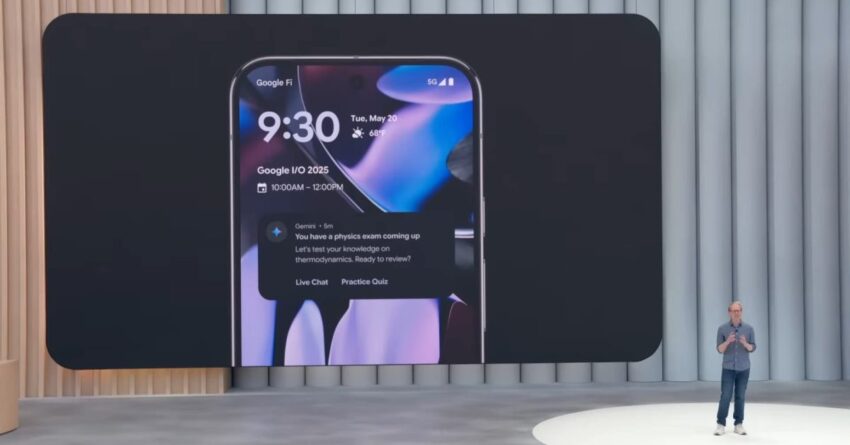
gemini app preps proactive assistance and new Google is advancing its Gemini app with the introduction of a new feature called “Proactive Assistance” alongside fresh voice options.
gemini app preps proactive assistance and new
Overview of Gemini’s Evolution
Google’s Gemini project represents a significant leap forward in the realm of personal digital assistants. Launched with the vision of creating a more personal, proactive, and powerful assistant, Gemini aims to redefine user interaction with technology. The initiative is part of Google’s broader strategy to enhance user experience through artificial intelligence (AI) and machine learning.
Earlier this year, Google made Personal Intelligence, a foundational aspect of the Gemini project, available for free. This move was aimed at democratizing access to advanced AI features, allowing a wider audience to benefit from the capabilities of Gemini. The free availability of Personal Intelligence is a strategic decision that aligns with Google’s mission to integrate AI into everyday life.
Introduction of Proactive Assistance
The upcoming “Proactive Assistance” feature is designed to enhance the user experience by anticipating needs and providing timely information. This feature is expected to leverage the underlying AI model of Gemini, which is built to understand user behavior and preferences. By analyzing patterns in user interactions, Proactive Assistance aims to deliver suggestions and reminders that are contextually relevant.
Key Features of Proactive Assistance
- Contextual Awareness: Proactive Assistance will utilize contextual data to provide users with timely information. For instance, if a user has a meeting scheduled, the assistant might remind them of the time and suggest relevant documents or notes.
- Personalized Recommendations: The feature will offer personalized suggestions based on user habits and preferences. This could include reminders for tasks, recommendations for nearby restaurants, or alerts about upcoming events.
- Seamless Integration: Proactive Assistance is expected to integrate smoothly with other Google services, such as Calendar, Maps, and Gmail, creating a unified experience for users.
Implications for User Experience
The introduction of Proactive Assistance is poised to significantly enhance the user experience by making interactions with the assistant more intuitive and efficient. Users will no longer need to actively seek information; instead, the assistant will provide it proactively, thereby saving time and effort.
This shift towards a more anticipatory assistant reflects a growing trend in technology where user convenience is paramount. As digital assistants become more integrated into daily life, the expectation for them to understand and anticipate user needs will only increase. Proactive Assistance aligns with this expectation, positioning Gemini as a leader in the competitive landscape of personal assistants.
New Voice Options
In addition to Proactive Assistance, Google is also rolling out new voice options for the Gemini app. These voices are designed to offer users a more engaging and personalized interaction experience. The introduction of diverse voice options is crucial for enhancing user satisfaction and ensuring that the assistant feels more relatable.
Features of the New Voices
- Diversity in Tone and Accent: The new voice options will include a range of tones and accents, catering to a global audience. This diversity is essential for making the assistant feel more inclusive and accessible.
- Natural Language Processing: The voices will utilize advanced natural language processing capabilities, allowing for more fluid and natural conversations. This improvement is expected to enhance user engagement and make interactions feel less robotic.
- Customizable Voice Selection: Users will have the option to choose their preferred voice, allowing for a more personalized experience. This customization can help users feel more connected to the assistant.
Stakeholder Reactions
The announcement of Proactive Assistance and new voice options has elicited a variety of reactions from stakeholders, including users, industry analysts, and competitors. Many users have expressed excitement about the potential for a more intuitive and responsive assistant. The ability to receive proactive suggestions is seen as a significant improvement over traditional assistant models, which often require users to initiate interactions.
Industry analysts have noted that these developments position Google favorably in the competitive landscape of digital assistants. With competitors like Amazon’s Alexa and Apple’s Siri continually evolving, the introduction of Proactive Assistance could give Google a strategic advantage. Analysts suggest that the proactive capabilities may attract users who are looking for a more seamless and integrated experience.
Competitors are likely to respond to these advancements by enhancing their own offerings. The introduction of Proactive Assistance may prompt other tech companies to invest further in AI and machine learning to keep pace with Google’s innovations. This competitive pressure could lead to rapid advancements in the capabilities of digital assistants across the industry.
Challenges Ahead
Despite the promising features of Proactive Assistance and new voice options, Google faces several challenges as it rolls out these updates. One of the primary concerns is user privacy. As the assistant becomes more proactive, it will require access to more personal data to function effectively. Users may be hesitant to share sensitive information, raising questions about data security and privacy.
Google will need to address these concerns transparently, ensuring users that their data will be handled responsibly. Implementing robust privacy measures and providing clear information about data usage will be crucial in building trust with users.
Technical Challenges
From a technical standpoint, the development of Proactive Assistance will require sophisticated algorithms capable of accurately predicting user needs. This involves not only understanding individual preferences but also adapting to changing contexts and situations. The complexity of these requirements may pose challenges in terms of development and implementation.
Additionally, ensuring that the assistant remains responsive and efficient while processing vast amounts of data will be critical. Google will need to invest in infrastructure and resources to support the advanced capabilities of Proactive Assistance without compromising performance.
Future Prospects
Looking ahead, the introduction of Proactive Assistance and new voice options signifies a pivotal moment for the Gemini app and Google’s broader AI strategy. As digital assistants continue to evolve, the focus will likely shift towards creating more personalized and anticipatory experiences for users.
Google’s commitment to enhancing the Gemini app reflects a recognition of the growing importance of AI in daily life. As users increasingly rely on digital assistants for various tasks, the demand for more intelligent and proactive solutions will only intensify. The success of Proactive Assistance could pave the way for further innovations in the field, setting new standards for what users can expect from their digital assistants.
In conclusion, the upcoming features in the Gemini app, particularly Proactive Assistance and new voice options, represent a significant advancement in the realm of personal digital assistants. By focusing on user needs and preferences, Google aims to create a more engaging and intuitive experience, positioning Gemini as a leader in the competitive landscape of AI-driven technology.
Source: Original report
Was this helpful?
Explore more: AI Automation Services More AI & Automation Tech News
Last Modified: April 28, 2026 at 12:37 am
12 views