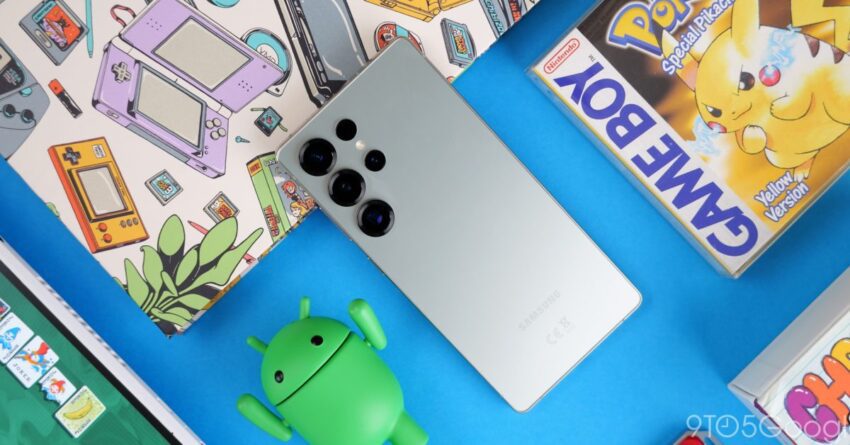
galaxy s26 series surfaces with upgraded wireless Samsung’s upcoming Galaxy S26 series is set to feature an upgraded wireless charging specification, although it will not include built-in Qi2 magnets.
galaxy s26 series surfaces with upgraded wireless
Overview of the Galaxy S26 Series
The Galaxy S26 series represents Samsung’s latest flagship smartphone lineup, expected to launch in early 2026. As with previous iterations, the S26 series aims to push the boundaries of smartphone technology, offering enhanced performance, improved camera capabilities, and innovative features. However, one notable aspect that has emerged is the absence of Qi2 magnets, which have become a standard in many modern smartphones for facilitating wireless charging.
What is Qi2 Technology?
Qi2 is the latest evolution of the Qi wireless charging standard, developed by the Wireless Power Consortium (WPC). This technology introduces magnetic alignment features that allow devices to align more precisely with charging pads, improving charging efficiency and speed. Qi2 magnets are designed to enhance the user experience by ensuring that smartphones are optimally positioned for charging, reducing the likelihood of misalignment that can lead to slower charging times.
While many manufacturers have begun to adopt Qi2 technology in their devices, Samsung’s decision to exclude built-in magnets in the Galaxy S26 series raises questions about the company’s strategy and the potential implications for users.
Upgraded Wireless Charging Specification
Despite the lack of Qi2 magnets, Samsung is reportedly implementing an upgraded wireless charging specification for the Galaxy S26 series. This upgrade is expected to enhance the overall wireless charging experience, potentially increasing charging speeds and improving efficiency. While specific details regarding the new specifications have not been disclosed, it is anticipated that the upgrade will align with industry trends toward faster and more efficient wireless charging solutions.
Potential Benefits of the Upgrade
- Increased Charging Speed: The upgraded wireless charging technology may allow for faster charging times, enabling users to power their devices more quickly without the need for wired connections.
- Improved Efficiency: Enhanced efficiency in wireless charging can lead to less energy waste, benefiting both users and the environment.
- Compatibility with Existing Accessories: The new specifications may still be compatible with existing Qi chargers, allowing users to utilize their current charging accessories without needing to invest in new equipment.
Market Context and Competitive Landscape
The smartphone market is highly competitive, with manufacturers continuously seeking to differentiate their products through innovative features and technologies. Samsung’s decision to upgrade the wireless charging specification, despite not including Qi2 magnets, may be an attempt to maintain its competitive edge in the market. Other manufacturers, such as Apple and Google, have already adopted Qi2 technology in their latest devices, which raises the stakes for Samsung as it prepares to launch the S26 series.
Consumer Expectations
As consumers increasingly rely on wireless charging solutions, expectations for performance and convenience have risen. Users are looking for devices that not only support fast charging but also offer seamless integration with existing charging infrastructure. The absence of Qi2 magnets in the Galaxy S26 series may lead to mixed reactions among consumers, particularly those who prioritize the convenience of magnetic alignment for wireless charging.
Stakeholder Reactions
Reactions from industry stakeholders have been varied. Some analysts believe that Samsung’s decision to forego Qi2 magnets could be a strategic move to differentiate its products from competitors. Others express concern that this choice may alienate users who have come to appreciate the benefits of magnetic alignment.
Samsung’s representatives have not yet provided official comments regarding the rationale behind this decision. However, it is clear that the company is aware of the competitive landscape and the importance of meeting consumer demands for advanced charging solutions.
Implications for Future Devices
The decision to exclude Qi2 magnets from the Galaxy S26 series may have broader implications for Samsung’s future devices. As the smartphone market continues to evolve, manufacturers must adapt to changing consumer preferences and technological advancements. Samsung’s approach to wireless charging in the S26 series may set a precedent for how the company addresses similar features in upcoming models.
Long-Term Strategy
Samsung has a history of innovation and has often led the charge in adopting new technologies. The choice to upgrade wireless charging specifications while omitting Qi2 magnets may reflect a long-term strategy focused on developing proprietary technologies that enhance user experience. This approach could allow Samsung to maintain control over its ecosystem, potentially leading to unique features that distinguish its devices from competitors.
Conclusion
The Galaxy S26 series is poised to make a significant impact in the smartphone market, with an upgraded wireless charging specification that promises to enhance user experience. However, the absence of built-in Qi2 magnets raises questions about Samsung’s strategy and its ability to meet consumer expectations for convenience and efficiency. As the launch date approaches, it will be essential to monitor how these developments are received by the market and what implications they may have for Samsung’s future devices.
In summary, while the Galaxy S26 series may not include Qi2 magnets, the anticipated upgrades in wireless charging technology could still position Samsung favorably in a competitive landscape. The company’s ability to innovate and adapt to consumer needs will be crucial as it navigates the evolving smartphone market.
Source: Original report
Was this helpful?
Explore more: Mobile App Development More Mobile Technology Tech News
Last Modified: February 7, 2026 at 6:01 am
14 views