fungus could be the insecticide of the A promising new approach to pest control may lie in the use of a specific species of fungus, offering a more sustainable alternative to traditional insecticides.
fungus could be the insecticide of the
The Challenge of Wood-Devouring Insects
Exterminators are increasingly inundated with calls to address infestations of wood-devouring insects, such as beetles, termites, and carpenter ants. These pests are notorious for their ability to chew through walls and infect trees, leading to significant structural damage and economic loss. The fight against these insects has historically relied on the use of noxious chemical insecticides, which pose risks not only to the pests but also to the environment and human health.
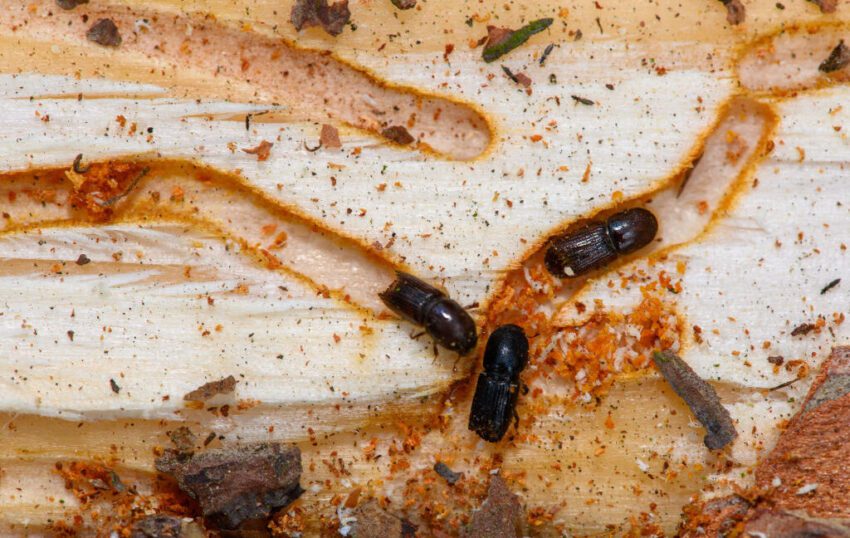
Wood-destroying insects, particularly bark beetles, have become a significant concern for forest health and management. The Eurasian spruce bark beetle (Ips typographus) is a prime example, known for its destructive impact on spruce trees. These beetles have evolved to consume bark that is rich in phenolic compounds, organic molecules that serve as antioxidants and antimicrobials. These compounds naturally protect the spruce bark from pathogenic fungi, creating a unique ecological dynamic where the beetles exploit these defenses for their survival.
The Defense Mechanism of Bark Beetles
The bark beetles’ ability to thrive in an environment filled with antimicrobial agents is a testament to their evolutionary adaptations. When the beetles ingest bark high in phenolic compounds, their bodies enhance the antimicrobial properties of these compounds, transforming them into substances that are even more toxic to fungi. This adaptation effectively renders the beetles invulnerable to many fungal pathogens that would typically threaten their survival.
However, the question arises: how can researchers and pest control experts combat these resilient insects that have developed such sophisticated defenses? The answer may lie in the very fungi that the beetles seem to evade.
Research Breakthrough: Beauveria bassiana
Led by biochemist Ruo Sun, a team of researchers from the Max Planck Institute for Chemical Ecology in Jena, Germany, has made significant strides in understanding how certain strains of the fungus Beauveria bassiana can be utilized to combat these wood-devouring pests. This particular fungus is known for its entomopathogenic properties, meaning it can infect and kill insects.
The researchers discovered that specific strains of Beauveria bassiana are capable of bypassing the beetles’ natural defenses. By infecting the beetles, the fungus can effectively disrupt their biological processes, leading to mortality. This breakthrough offers a promising alternative to traditional insecticides, which often have detrimental effects on non-target organisms and the environment.
Mechanism of Action
The mechanism by which Beauveria bassiana infects and kills bark beetles involves several steps. First, the fungal spores attach to the beetle’s exoskeleton. Once attached, the spores germinate and penetrate the insect’s cuticle, allowing the fungus to enter the beetle’s body. Inside, the fungus proliferates, consuming the beetle’s tissues and ultimately leading to its death.
This method of pest control is particularly appealing because it targets the insects directly, minimizing harm to beneficial organisms and reducing the chemical load in the environment. Moreover, the use of fungi as a biological control agent aligns with sustainable agricultural practices, promoting a healthier ecosystem.
Implications for Pest Control
The implications of using Beauveria bassiana as an insecticide are far-reaching. As concerns about the environmental impact of chemical pesticides continue to grow, the adoption of biological control methods could provide a viable solution. The use of fungi not only reduces the reliance on synthetic chemicals but also offers a more targeted approach to pest management.
Furthermore, the potential for Beauveria bassiana to be used in integrated pest management (IPM) strategies could enhance the effectiveness of pest control programs. IPM emphasizes the use of multiple control methods, including biological, cultural, and mechanical practices, to manage pest populations sustainably. By incorporating fungi like Beauveria bassiana into IPM frameworks, pest control professionals can achieve better results while minimizing environmental harm.
Stakeholder Reactions
The research findings have garnered attention from various stakeholders, including environmentalists, agriculturalists, and pest control professionals. Many are optimistic about the prospects of using fungi as a biological control agent, viewing it as a step toward more sustainable pest management practices.
Environmentalists, in particular, have expressed support for the use of Beauveria bassiana, as it aligns with the growing movement toward reducing chemical inputs in agriculture and forestry. The potential to protect ecosystems while effectively managing pest populations is a significant advantage of this approach.
On the other hand, some pest control professionals remain cautious. While the research is promising, they emphasize the need for further studies to assess the efficacy and safety of using Beauveria bassiana in various environments. Understanding how the fungus interacts with different pest species and its impact on non-target organisms is crucial before widespread adoption can occur.
Future Research Directions
The research team at the Max Planck Institute for Chemical Ecology is not stopping with their initial findings. Future studies will focus on several key areas to enhance the understanding and application of Beauveria bassiana in pest control:
- Field Trials: Conducting extensive field trials to evaluate the effectiveness of Beauveria bassiana in real-world settings, including various tree species and environmental conditions.
- Strain Optimization: Identifying and optimizing the most effective strains of the fungus for different pest species, ensuring maximum efficacy in pest control.
- Impact Assessment: Assessing the ecological impact of introducing Beauveria bassiana into different ecosystems, including potential effects on non-target organisms.
- Formulation Development: Developing formulations that enhance the stability and efficacy of the fungus for commercial use in pest control.
Conclusion
The discovery of Beauveria bassiana as a potential biological insecticide represents a significant advancement in the ongoing battle against wood-devouring insects. By leveraging the natural capabilities of this fungus, researchers are paving the way for more sustainable pest management practices that could reduce reliance on harmful chemical insecticides.
As the research progresses, it will be essential to continue evaluating the effectiveness and safety of Beauveria bassiana in various contexts. The potential benefits of using fungi in pest control are vast, and with further exploration, this approach could revolutionize how we manage pest populations while safeguarding the environment.
Source: Original report
Was this helpful?
Last Modified: February 2, 2026 at 6:37 am
0 views