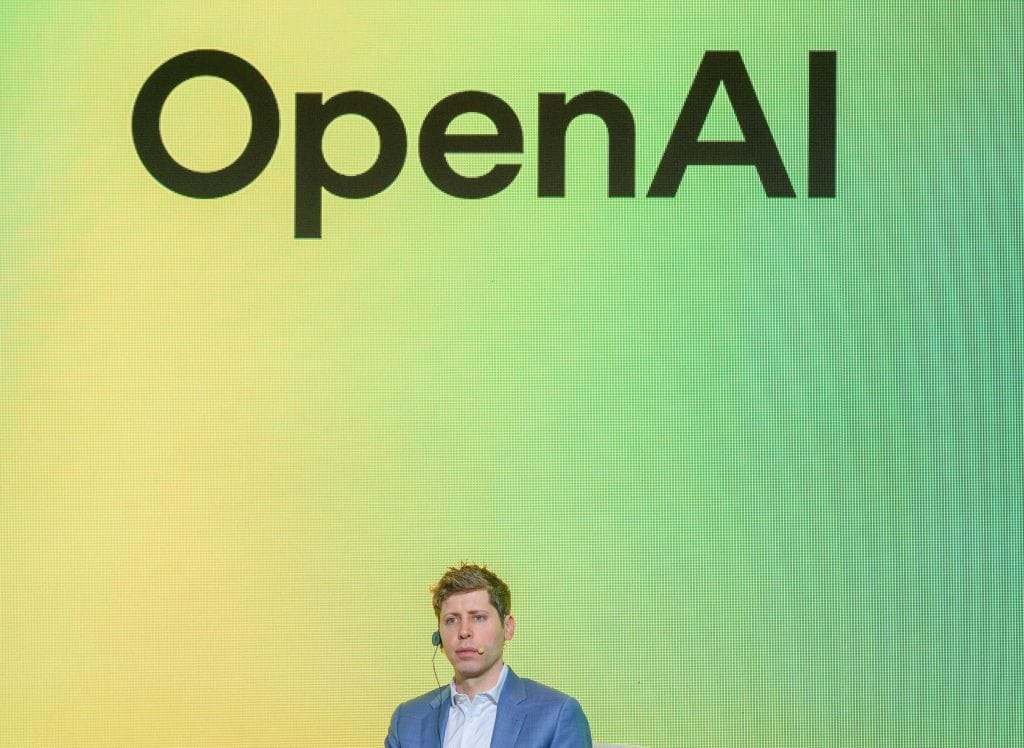
former openai and deepmind researchers raise whopping Periodic Labs, a startup founded by former researchers from OpenAI and DeepMind, has successfully secured a remarkable $300 million in seed funding aimed at revolutionizing the field of scientific research through automation.
former openai and deepmind researchers raise whopping
Funding Overview
The funding round has attracted significant interest from prominent figures in the technology sector. Notable investors include venture capital firm Andreessen Horowitz, tech giants Nvidia, and influential individuals such as Elad Gil, Jeff Dean, Eric Schmidt, and Jeff Bezos. This diverse group of backers not only underscores the potential of Periodic Labs but also highlights the growing interest in the intersection of artificial intelligence and scientific research.
Investor Profiles
The involvement of such high-profile investors is indicative of the confidence in Periodic Labs’ vision. Andreessen Horowitz, known for its early investments in transformative technologies, has a history of backing companies that leverage AI to solve complex problems. Nvidia, a leader in GPU technology, has been pivotal in advancing AI capabilities, making its support particularly relevant for a company focused on automating scientific processes.
Elad Gil, a well-respected entrepreneur and investor, has a track record of identifying promising startups in the tech space. Jeff Dean, a Google Senior Fellow and co-founder of Google Brain, brings invaluable expertise in AI and machine learning. Eric Schmidt, former CEO of Google, has been a vocal advocate for the responsible use of AI in various sectors. Lastly, Jeff Bezos, founder of Amazon, has a keen interest in technology that enhances efficiency and productivity.
Mission and Vision of Periodic Labs
Periodic Labs aims to harness the power of artificial intelligence to streamline and enhance scientific research. The startup’s mission is to automate various aspects of the research process, thereby accelerating the pace of discovery and innovation. By leveraging advanced algorithms and machine learning techniques, Periodic Labs seeks to reduce the time and resources required for scientific experimentation.
Challenges in Scientific Research
The scientific research landscape is often characterized by lengthy timelines and substantial resource allocation. Traditional methods can be labor-intensive, requiring extensive manual input and oversight. This can lead to bottlenecks that slow down the pace of innovation. Periodic Labs aims to address these challenges by introducing automation into the research workflow.
Some of the key challenges in scientific research include:
- Time Consumption: Many experiments take months or even years to yield results, delaying potential breakthroughs.
- Resource Allocation: Significant financial and human resources are often required, which can be a barrier for smaller research teams.
- Data Management: The sheer volume of data generated in research can be overwhelming, making it difficult to extract meaningful insights.
- Reproducibility Issues: Ensuring that experiments can be reliably reproduced is a persistent challenge in the scientific community.
Technological Innovations
Periodic Labs plans to deploy cutting-edge technologies to tackle these challenges. The startup is developing AI-driven platforms that can automate various stages of the research process, including:
- Hypothesis Generation: Using machine learning algorithms to analyze existing literature and data to propose new hypotheses.
- Experiment Design: Automating the design of experiments to optimize resource usage and increase efficiency.
- Data Analysis: Implementing AI tools to analyze experimental data rapidly, providing researchers with actionable insights.
- Documentation and Reporting: Streamlining the documentation process to ensure that findings are recorded accurately and efficiently.
Potential Impact on Scientific Fields
The implications of automating scientific research are vast and could significantly impact various fields, including pharmaceuticals, biotechnology, environmental science, and materials science. By reducing the time and costs associated with research, Periodic Labs could enable more rapid advancements in critical areas such as drug discovery, climate change mitigation, and sustainable materials development.
For instance, in the pharmaceutical industry, the ability to automate the drug discovery process could lead to faster identification of potential treatments for diseases, ultimately saving lives and reducing healthcare costs. Similarly, in environmental science, automated research could accelerate the development of innovative solutions to combat climate change.
Market Landscape and Competition
The market for AI-driven research automation is becoming increasingly competitive, with several startups and established companies vying for a share. However, Periodic Labs distinguishes itself through its unique combination of expertise from leading AI research institutions and its ambitious vision for transforming scientific research.
Some of the notable competitors in this space include:
- Insilico Medicine: Focused on drug discovery using AI, Insilico has made strides in automating various aspects of the research process.
- DeepMind: While primarily known for its advancements in AI, DeepMind has also engaged in scientific research, particularly in protein folding.
- Atomwise: This startup uses AI to predict the effectiveness of drug compounds, aiming to streamline the drug discovery process.
Strategic Partnerships
To enhance its capabilities and reach, Periodic Labs may seek strategic partnerships with academic institutions, research organizations, and industry leaders. Collaborations could provide access to valuable datasets, expertise, and resources that could accelerate the development and deployment of its technologies.
Additionally, partnerships with pharmaceutical companies could facilitate the practical application of Periodic Labs’ innovations in real-world drug discovery processes, further validating its approach and enhancing its credibility in the market.
Future Outlook
The successful funding round positions Periodic Labs for significant growth and development in the coming years. With a robust financial backing and a clear mission, the startup is well-equipped to navigate the challenges of the scientific research landscape.
As Periodic Labs continues to refine its technologies and expand its offerings, it will be crucial to monitor its progress and the impact of its innovations on the scientific community. The potential for accelerated discoveries and breakthroughs could reshape the future of research, making it more efficient and accessible.
Stakeholder Reactions
The response from the scientific community and potential users of Periodic Labs’ technologies has been largely positive. Many researchers express enthusiasm about the prospect of automating tedious aspects of their work, allowing them to focus on more creative and impactful tasks. However, there are also concerns regarding the implications of automation on job security within research roles.
Some stakeholders emphasize the importance of maintaining a balance between automation and human oversight. While AI can enhance efficiency, the expertise and intuition of human researchers remain irreplaceable in many aspects of scientific inquiry. Periodic Labs will need to navigate these concerns carefully as it develops its technologies and engages with the research community.
Conclusion
Periodic Labs stands at the forefront of a transformative movement in scientific research, armed with significant funding and a visionary approach to automation. As it embarks on this journey, the startup has the potential to redefine how research is conducted, ultimately leading to faster discoveries and innovations that could benefit society as a whole. The coming years will be pivotal in determining the impact of Periodic Labs on the scientific landscape and its ability to fulfill its ambitious mission.
Source: Original report
Was this helpful?
Explore more: More Business & Startups Tech News Blog
Last Modified: October 1, 2025 at 12:37 am
12 views