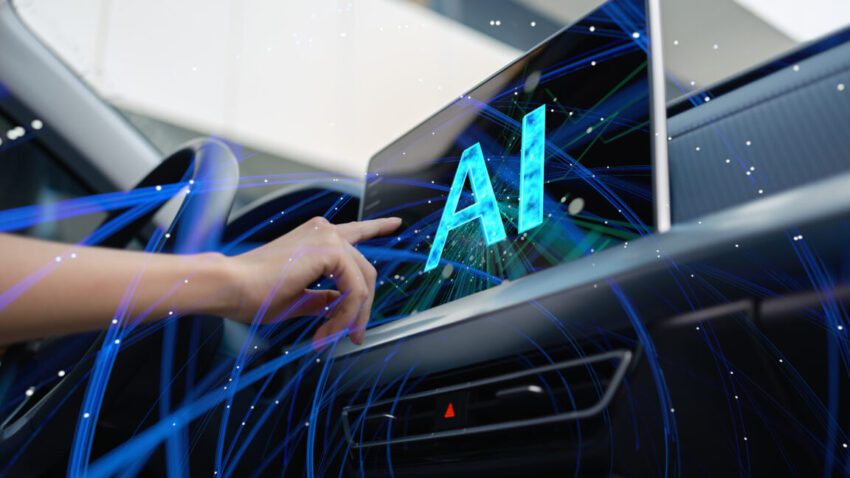
ford is getting ready to put ai Ford has announced plans to integrate AI assistants into its vehicles, aiming to enhance the in-car experience for drivers and passengers alike.
ford is getting ready to put ai
Ford’s AI Initiative at CES 2026
The annual Consumer Electronics Show (CES), held in Las Vegas, has become a pivotal platform for automakers and technology suppliers to unveil their latest innovations. This year, Ford took center stage to reveal its ambitious plans for the future of in-car technology, particularly focusing on the integration of artificial intelligence (AI) into its vehicles. This move aligns with the growing trend of incorporating advanced technology into everyday driving experiences.
Personalization Through AI
Ford’s vision is to create a personalized driving experience that transcends the traditional functionalities of a vehicle. Doug Field, Ford’s Chief EV, Design, and Digital Officer, articulated this vision in a blog post shared ahead of the event. He emphasized the importance of a “seamless layer of intelligence” that connects the driver’s phone and the vehicle. This integration aims to provide a more intuitive and personalized experience for users.
Field stated, “Our vision for the customer is simple, but not elementary: a seamless layer of intelligence that travels with you between your phone and your vehicle.” This statement underscores Ford’s commitment to leveraging AI technology to enhance the user experience, making it more tailored to individual needs and preferences.
Understanding User Context
One of the key aspects of Ford’s AI initiative is its focus on contextual understanding. Field noted that the company aims to develop intelligence that is not generic but rather tailored to the unique circumstances of each driver. The goal is to create an AI system that comprehends where the driver is, what they are doing, and the capabilities of their vehicle. This contextual awareness is expected to simplify decision-making for users, making their driving experience more efficient and enjoyable.
For instance, the AI could suggest optimal routes based on real-time traffic conditions or recommend nearby amenities such as restaurants or gas stations. By understanding the driver’s habits and preferences, the AI could also adjust vehicle settings, such as climate control or seat positioning, to enhance comfort and convenience.
Technological Foundations
Ford’s foray into AI is not merely a conceptual endeavor; it is backed by significant technological advancements. The company has been investing heavily in research and development to create a robust framework for its AI systems. This includes partnerships with tech companies and startups specializing in AI and machine learning, as well as in-house development of proprietary technologies.
Collaboration with Tech Companies
To bolster its AI capabilities, Ford has been collaborating with various technology firms. These partnerships are crucial for integrating cutting-edge AI solutions into the automotive sector. By leveraging the expertise of tech companies, Ford aims to accelerate the development of its AI systems and ensure they meet the evolving needs of consumers.
Such collaborations may involve joint ventures in data analytics, machine learning algorithms, and user interface design, all of which are essential for creating a user-friendly AI experience. The integration of these technologies will enable Ford to offer features that are not only innovative but also practical for everyday use.
Data Privacy and Security Concerns
As Ford moves forward with its AI initiatives, data privacy and security will be paramount considerations. The collection and analysis of user data are integral to the functionality of AI systems, but they also raise concerns about how that data is used and protected. Ford has acknowledged these concerns and is committed to implementing robust security measures to safeguard user information.
Field emphasized the importance of trust in the relationship between the company and its customers. “We understand that our customers need to feel secure in how their data is handled,” he stated. Ford plans to be transparent about its data practices, ensuring that users are informed about what data is collected and how it is utilized.
Implications for the Automotive Industry
Ford’s initiative to integrate AI into its vehicles is likely to have far-reaching implications for the automotive industry. As more manufacturers adopt similar technologies, the competitive landscape will shift significantly. Companies that fail to embrace AI may find themselves at a disadvantage as consumers increasingly seek personalized and intelligent driving experiences.
Shifting Consumer Expectations
With the introduction of AI assistants, consumer expectations regarding vehicle functionality and user experience will evolve. Drivers will likely demand more from their vehicles, expecting them to not only transport them from point A to point B but also to provide a range of intelligent features that enhance their daily lives.
This shift in expectations may lead to a new standard for in-car technology, prompting automakers to invest more in research and development to keep pace with consumer demands. As a result, the automotive industry may witness a surge in innovation, with companies exploring new ways to integrate AI into their vehicles.
Potential Challenges
Despite the promising prospects of AI integration, there are challenges that Ford and other automakers must navigate. One significant challenge is the need for continuous updates and improvements to AI systems. As technology evolves, the AI in vehicles must also adapt to new developments and user preferences.
Moreover, the complexity of AI systems can lead to unforeseen issues, such as software bugs or user interface problems. Automakers will need to establish effective support systems to address these challenges promptly, ensuring that users have a positive experience with their AI assistants.
Stakeholder Reactions
The announcement of Ford’s AI initiative has garnered attention from various stakeholders, including industry analysts, consumers, and technology experts. Many view this move as a significant step forward in the evolution of automotive technology, while others express caution regarding the implications of AI in vehicles.
Industry Analysts
Industry analysts have generally responded positively to Ford’s plans, noting that the integration of AI could enhance the company’s competitive edge in the market. Analysts believe that personalized experiences will resonate with consumers, potentially leading to increased sales and customer loyalty.
However, some analysts have also cautioned that the successful implementation of AI will require careful planning and execution. They emphasize the importance of user-friendly interfaces and reliable performance, as any shortcomings could lead to dissatisfaction among consumers.
Consumer Perspectives
Consumer reactions to Ford’s announcement have been mixed. While many individuals are excited about the prospect of AI assistants in their vehicles, there are concerns regarding data privacy and the potential for over-reliance on technology. Consumers want assurances that their data will be handled responsibly and that they will retain control over their driving experience.
Ford’s commitment to transparency and data security will be crucial in addressing these concerns and building trust with consumers. As the company rolls out its AI features, it will need to engage with customers to understand their preferences and address any issues that arise.
Looking Ahead
As Ford prepares to launch its AI assistants in vehicles by 2027, the automotive landscape is poised for transformation. The integration of AI technology represents a significant shift in how consumers interact with their vehicles, moving toward a more personalized and intelligent driving experience.
Ford’s initiative is not just about enhancing the in-car experience; it is also a reflection of the broader trends shaping the automotive industry. As electric vehicles and autonomous driving technologies gain traction, the role of AI will become increasingly central to the future of transportation.
In conclusion, Ford’s commitment to integrating AI into its vehicles marks a pivotal moment in the automotive industry. By focusing on personalization, contextual understanding, and data security, the company aims to set a new standard for in-car technology. As the industry evolves, the successful implementation of these AI systems will depend on the ability to meet consumer expectations while addressing the challenges that come with such advanced technology.
Source: Original report
Was this helpful?
Last Modified: January 8, 2026 at 4:37 pm
4 views