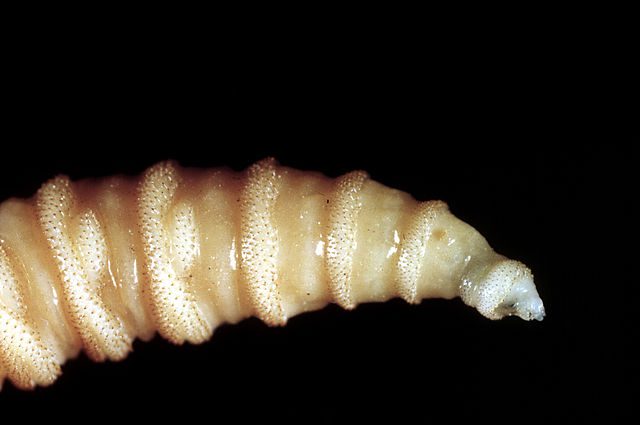
flesh-eating flies are eating their way through The CDC has issued a health alert regarding the alarming spread of the New World Screwworm, a flesh-eating parasitic fly, in Mexico, particularly in the state of Tamaulipas, near the Texas border.
flesh-eating flies are eating their way through
Overview of the New World Screwworm
The New World Screwworm (NWS), scientifically known as Cochliomyia hominivorax, is a parasitic fly notorious for its gruesome feeding habits. This species is indigenous to the Americas and is particularly known for infesting warm-blooded animals, including livestock and humans. The fly lays its eggs in open wounds, orifices, and mucous membranes, where the larvae hatch and begin to consume the living tissue of their hosts. This process not only causes immense suffering but can also lead to severe health complications and even death if left untreated.
Life Cycle and Behavior
The life cycle of the New World Screwworm is particularly concerning due to its rapid reproduction rate. A single female can lay up to 400 eggs at a time, which can hatch within 24 hours under optimal conditions. Once the larvae emerge, they begin to burrow into the flesh of their host, feeding on the living tissue. This behavior is not only painful but also creates a breeding ground for secondary infections, further complicating the health of the affected individual.
The larvae are often described as resembling screws, which is where the name “screwworm” originates. Their feeding activity can lead to severe tissue damage, and if not addressed promptly, it can result in systemic infections that may be fatal.
CDC Health Alert
On Tuesday, the Centers for Disease Control and Prevention (CDC) issued a health alert through its Health Alert Network, specifically targeting clinicians, veterinarians, and other health professionals. The alert emphasizes the urgency of the situation, as the New World Screwworm is not only advancing towards the Texas border but is also increasingly affecting animals in Tamaulipas, Mexico.
Guidelines for Health Professionals
The CDC’s advisory includes critical guidelines for health professionals to identify and manage potential cases of New World Screwworm infestation. Clinicians are urged to be vigilant for patients presenting with wounds that may be infested with maggots. The presence of these larvae can be identified by their characteristic behavior of burrowing into the flesh, which can be alarming for both patients and healthcare providers.
In the event that a clinician encounters a patient with such festering wounds, the CDC recommends the following steps:
- Immediate Removal: It is crucial to remove each maggot from the wound to prevent further tissue damage and potential death.
- Prevent Escape: Healthcare providers must ensure that no maggots are allowed to escape, as this could lead to further infestations.
- Wound Care: After the removal of the maggots, proper wound care should be administered to promote healing and prevent infection.
Implications for Public Health
The emergence of the New World Screwworm in regions close to the U.S. border raises significant public health concerns. The potential for cross-border transmission of this parasite poses risks not only to livestock but also to human populations. The CDC’s alert serves as a reminder of the interconnectedness of health systems across borders, particularly in areas where wildlife and livestock are in close proximity to human populations.
Impact on Livestock and Agriculture
The agricultural sector, particularly livestock farming, is at risk due to the presence of the New World Screwworm. Infestations can lead to severe economic losses for farmers and ranchers, as affected animals may require extensive medical treatment or may need to be euthanized to prevent further suffering. The potential for widespread outbreaks could disrupt local economies and food supply chains, making it imperative for health authorities to act swiftly.
Stakeholder Reactions
The CDC’s alert has prompted reactions from various stakeholders, including veterinarians, agricultural organizations, and public health officials. Many veterinarians are expressing concern about the potential for increased cases of NWS infestations, particularly in areas with high livestock populations. Agricultural organizations are advocating for increased surveillance and monitoring to prevent the spread of this parasite.
Public health officials are also emphasizing the importance of education and awareness among healthcare providers. Training sessions and informational materials are being developed to ensure that clinicians are equipped to recognize and manage cases of New World Screwworm infestation effectively.
Preventive Measures
Preventing the spread of the New World Screwworm requires a multi-faceted approach involving surveillance, education, and community engagement. Some of the key preventive measures include:
- Surveillance Programs: Implementing monitoring systems to track the presence of NWS in both animal and human populations can help identify outbreaks early.
- Public Awareness Campaigns: Educating communities about the risks associated with the New World Screwworm and how to recognize potential infestations is crucial.
- Veterinary Interventions: Regular veterinary check-ups for livestock can help identify and treat infestations before they become widespread.
International Collaboration
Given the cross-border nature of the threat posed by the New World Screwworm, international collaboration between health authorities in the U.S. and Mexico is essential. Joint efforts can enhance surveillance capabilities, share best practices for managing infestations, and develop coordinated response strategies to mitigate the impact of this parasite.
Conclusion
The warning issued by the CDC regarding the New World Screwworm underscores the urgent need for heightened awareness and preparedness among healthcare providers and the agricultural community. As this flesh-eating fly continues to pose a threat to both animal and human health, proactive measures will be essential in preventing its spread and minimizing its impact. The collaboration between public health officials, veterinarians, and agricultural stakeholders will be crucial in addressing this emerging health crisis effectively.
Source: Original report
Was this helpful?
Last Modified: January 21, 2026 at 4:38 am
5 views