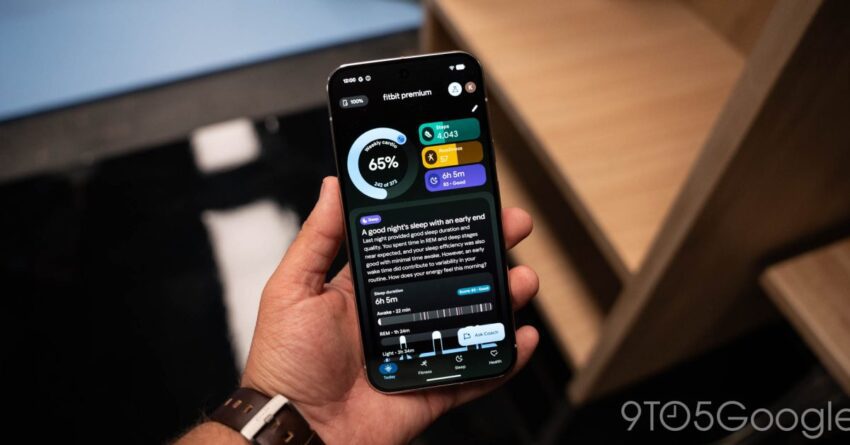
fitbit extends google account deadline to may Fitbit has announced an extension for users to transition from standalone accounts to Google accounts, now set to May 2026, after which user data will be deleted shortly thereafter.
fitbit extends google account deadline to may
Background on Fitbit’s Transition to Google Accounts
Since its acquisition by Google in 2021, Fitbit has been undergoing significant changes aimed at integrating its services with Google’s ecosystem. This transition reflects a broader trend in the tech industry where companies seek to consolidate user accounts and data management under a single umbrella. By moving users to Google accounts, Fitbit aims to streamline the user experience, enhance data security, and leverage Google’s vast resources for improved functionality and features.
Initially, Fitbit had set a deadline for this transition to occur in 2025. However, in response to user feedback and concerns about the implications of this shift, the company has decided to extend the deadline to May 2026. This extension provides users with additional time to adjust to the new requirements and to understand the implications of migrating their data to a Google account.
Implications of the Account Transition
The move to Google accounts is not merely a cosmetic change; it carries significant implications for users. Here are some key aspects to consider:
- Data Management: Users will need to manage their data differently. Transitioning to a Google account means that Fitbit data will be integrated with other Google services, which could enhance the functionality of the Fitbit app but also raises questions about data privacy and ownership.
- User Experience: The integration aims to provide a more seamless experience across devices and services. Users can expect improved features, such as better health tracking and personalized insights, thanks to Google’s advanced algorithms and machine learning capabilities.
- Data Deletion Policy: After the May 2026 deadline, any user who has not transitioned to a Google account will have their data deleted. This policy underscores the urgency for users to make the switch, as failure to do so will result in the loss of their health and fitness data.
Stakeholder Reactions
The announcement has elicited a range of reactions from stakeholders, including users, privacy advocates, and industry analysts.
User Concerns
Many Fitbit users have expressed concerns about the transition, particularly regarding data privacy. The requirement to use a Google account raises questions about how user data will be handled and whether it will be shared with third parties. Users have voiced their apprehensions on social media platforms and forums, emphasizing the importance of transparency in data management practices.
Privacy Advocates
Privacy advocates have also weighed in on the implications of this transition. They argue that the consolidation of user data under a single corporate entity could lead to increased surveillance and a lack of control over personal information. Critics have called for clearer communication from Fitbit and Google regarding data usage policies and the measures in place to protect user privacy.
Industry Analysts
Industry analysts have noted that this move aligns with a broader trend in the tech industry, where companies are increasingly integrating services to enhance user engagement and streamline operations. Analysts believe that while the transition may pose challenges in the short term, it could ultimately lead to a more robust and feature-rich platform for users. The integration with Google could enable Fitbit to leverage advanced technologies, such as artificial intelligence and machine learning, to provide personalized health insights.
Technical Considerations for Users
For users preparing to transition to a Google account, there are several technical considerations to keep in mind:
- Account Migration: Users will need to follow specific steps to migrate their existing Fitbit accounts to Google accounts. Fitbit has provided guidance on this process, which includes linking existing accounts and ensuring that data is transferred securely.
- Data Backup: Before making the switch, users are advised to back up their data. This precaution is essential to prevent any loss of information during the migration process.
- Understanding New Features: Users should familiarize themselves with the new features and functionalities that come with a Google account. This may include access to enhanced health metrics, integration with Google Fit, and personalized recommendations based on user data.
Future of Fitbit Under Google
The future of Fitbit under Google’s ownership appears promising, with the potential for innovative developments in health and fitness technology. As the integration progresses, users can expect several enhancements:
- Enhanced Health Tracking: With Google’s expertise in data analytics, Fitbit devices may offer more accurate and comprehensive health tracking capabilities. This could include advanced metrics for sleep, exercise, and overall wellness.
- Personalized Insights: Leveraging machine learning, Fitbit could provide users with tailored health insights and recommendations, helping them make informed decisions about their fitness journeys.
- Integration with Other Google Services: Users may benefit from seamless integration with other Google services, such as Google Calendar and Google Assistant, allowing for a more cohesive experience across platforms.
Conclusion
Fitbit’s extension of the deadline for transitioning to Google accounts until May 2026 represents a significant shift in how users will interact with their health data. While this change aims to enhance user experience and data management, it also raises important questions about privacy and data ownership. As users prepare for this transition, it is crucial for Fitbit and Google to provide clear communication and support to ensure a smooth migration process. The future of Fitbit under Google’s stewardship holds promise for innovation and improved health tracking, but it will require careful navigation of user concerns and expectations.
Source: Original report
Was this helpful?
Last Modified: February 1, 2026 at 9:49 am
1 views