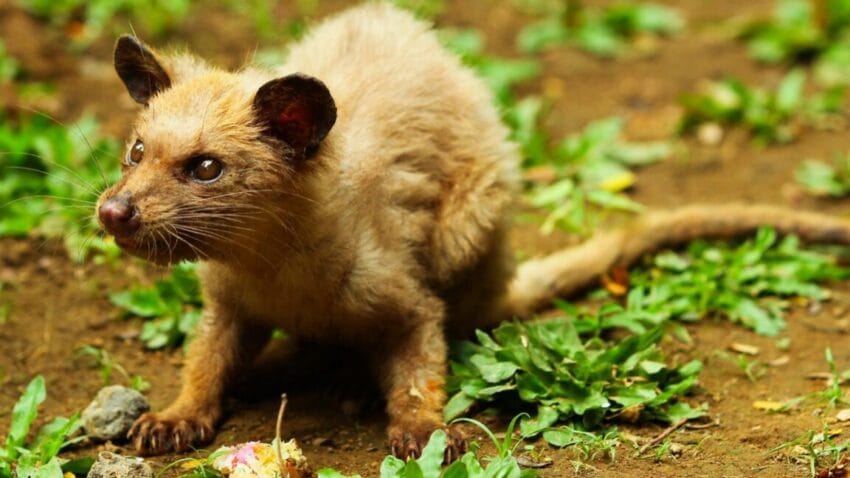
fermentation is key to coffee beans gleaned A recent study sheds light on the unique fermentation process that enhances the flavor of kopi luwak, a luxury coffee derived from beans found in civet feces.
fermentation is key to coffee beans gleaned
Understanding Kopi Luwak: A Unique Coffee Experience
Kopi luwak, often dubbed the world’s most expensive coffee, has garnered both intrigue and controversy since it first gained popularity in the early 2000s. Featured in films like 2007’s The Bucket List, where Jack Nicholson’s character indulges in this exotic brew, kopi luwak is known for its unconventional production method. The coffee beans are collected from the feces of civets, small mammals native to Southeast Asia. This unusual harvesting process raises questions about the quality and ethics of consuming such a product.
The Price Tag of Kopi Luwak
The cost of kopi luwak can be staggering, ranging from $45 to $590 per pound, depending on whether the beans are sourced from farms or collected in the wild. This price disparity reflects not only the rarity of the beans but also the labor-intensive process involved in their collection and preparation. The high cost has led to skepticism regarding the coffee’s actual value. A food critic from the Washington Post once likened the taste of kopi luwak to “petrified dinosaur droppings steeped in bathtub water,” indicating that not everyone is convinced of its premium status.
Supporters of Kopi Luwak
Despite mixed reviews, kopi luwak has a dedicated following. Many enthusiasts claim that the coffee possesses a unique aroma and flavor profile that sets it apart from other varieties. The beans undergo a fermentation process as they pass through the civet’s digestive system, which is believed to contribute to the coffee’s distinctive taste. This fermentation process has now been the subject of scientific scrutiny, leading to new insights into what makes kopi luwak so special.
The Science Behind the Flavor
A recent study published in Scientific Reports delves into the chemical changes that occur during the fermentation of coffee beans in the civet’s intestines. The research highlights the complex biochemical interactions that take place, which may explain the unique flavor profile of kopi luwak. The study suggests that the fermentation process not only alters the beans’ chemical composition but also enhances their aromatic qualities.
The Fermentation Process Explained
To understand the significance of fermentation in kopi luwak, it is essential to explore the role of the Asian palm civet in this process. These animals are attracted to coffee plantations due to their preference for ripe coffee berries. As they consume the berries, the beans undergo a natural fermentation process within the civet’s digestive tract. This fermentation is facilitated by the presence of various enzymes and microorganisms that break down the pulp surrounding the coffee beans.
Once the civet excretes the beans, coffee farmers collect the feces and extract the beans for further processing. The beans are then thoroughly cleaned, dried, roasted, and ground to produce the final product. The entire process is labor-intensive and requires careful handling to ensure the quality of the coffee.
Chemical Changes During Fermentation
The study in Scientific Reports identifies several key chemical changes that occur during the fermentation process. These changes include:
- Degradation of Chlorogenic Acids: The fermentation process leads to the breakdown of chlorogenic acids, which are known to contribute to bitterness in coffee. This degradation may result in a smoother flavor profile.
- Formation of New Aromatic Compounds: The fermentation process also promotes the formation of various volatile compounds that contribute to the coffee’s aroma. These compounds can enhance the overall sensory experience of drinking kopi luwak.
- Alteration of Sugar Content: The fermentation process can modify the sugar content of the beans, affecting their sweetness and overall flavor balance.
These chemical transformations not only influence the taste but also the aroma of the coffee, potentially justifying the high price tag associated with kopi luwak.
Ethical Considerations and Sustainability
While the unique fermentation process and flavor profile of kopi luwak may appeal to some consumers, ethical concerns surrounding its production cannot be overlooked. The demand for this luxury coffee has led to the establishment of civet farms, where animals are often kept in captivity under poor conditions. These farms prioritize profit over animal welfare, raising questions about the sustainability of the kopi luwak industry.
Wild vs. Farmed Kopi Luwak
There is a significant distinction between wild and farmed kopi luwak. Wild kopi luwak is sourced from civets that roam freely in their natural habitat, feeding on ripe coffee berries. This method is generally considered more ethical and sustainable. However, wild kopi luwak is rare and difficult to obtain, leading to a higher price point.
On the other hand, farmed kopi luwak is produced in captivity, where civets are often confined to small cages and fed a diet of coffee berries. This practice raises serious animal welfare concerns, as the civets are deprived of their natural behaviors and habitats. Moreover, the quality of farmed kopi luwak may not match that of its wild counterpart, as the fermentation process may be compromised in captivity.
Consumer Awareness and Ethical Choices
As consumers become more aware of the ethical implications of their purchasing decisions, there is a growing demand for transparency in the kopi luwak market. Many coffee enthusiasts are now seeking out ethically sourced options, prioritizing animal welfare and sustainability. Some organizations have begun to certify kopi luwak producers who adhere to ethical practices, allowing consumers to make informed choices.
The Future of Kopi Luwak
The future of kopi luwak remains uncertain as the industry grapples with ethical concerns and sustainability issues. While the unique fermentation process and flavor profile continue to attract attention, the demand for ethically produced coffee is likely to shape the market in the coming years. As consumers become more discerning, producers may need to adapt their practices to meet evolving expectations.
Potential for Innovation
Innovations in coffee production and processing may also play a role in the future of kopi luwak. Advances in fermentation techniques, for example, could enhance the flavor profile of coffee without relying on the controversial practices associated with civet feces. Additionally, the rise of specialty coffee and the growing interest in unique flavor experiences may encourage producers to explore alternative methods of processing that do not involve animal products.
Conclusion
Kopi luwak is a fascinating case study in the intersection of luxury, flavor, and ethics. While the unique fermentation process contributes to its distinctive taste, the ethical implications of its production raise important questions for consumers. As the coffee industry evolves, it is crucial for both producers and consumers to prioritize sustainability and animal welfare, ensuring that the enjoyment of this luxury coffee does not come at a cost to the environment or the animals involved.
Source: Original report
Was this helpful?
Last Modified: October 29, 2025 at 9:36 pm
3 views