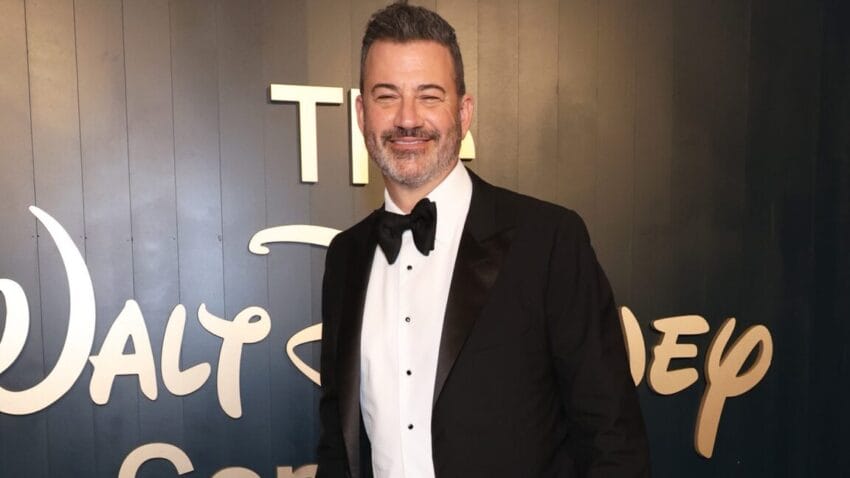
fcc derided as federal censorship commission after The Federal Communications Commission (FCC) has come under fire after its chairman, Brendan Carr, pressured ABC to remove Jimmy Kimmel’s late-night show from the air, leading to widespread accusations of censorship.
fcc derided as federal censorship commission after
Background of the Controversy
The incident began when Jimmy Kimmel made comments regarding Charlie Kirk, a conservative commentator, and an incident involving a shooting that Kirk had been involved in. Kimmel’s remarks drew the ire of some conservative figures, prompting FCC Chairman Brendan Carr to intervene. On a podcast hosted by right-wing commentator Benny Johnson, Carr stated, “We can do this the easy way or the hard way.” He suggested that Disney, the parent company of ABC, should take action against Kimmel or face repercussions from the FCC.
This statement raised eyebrows, as it implied that the government agency was willing to leverage its regulatory power to influence the content aired on television networks. Carr’s comments were perceived by many as a direct threat, suggesting that the FCC could impose penalties or other regulatory actions if Kimmel’s show was not removed from the air.
Immediate Reactions from ABC and Disney
Following Carr’s remarks, ABC quickly announced that it would be pulling “Jimmy Kimmel Live!” off the air indefinitely. This decision was reportedly made by Disney CEO Robert Iger and Dana Walden, the head of Disney’s television division. The network’s statement confirmed that Kimmel’s show would be preempted, although no specific timeline for a return was provided.
Nexstar, a major media company that operates numerous local television stations, also announced that it would preempt Kimmel’s show on its ABC-affiliated stations. This further compounded the situation, as it indicated that the pressure from the FCC was having a tangible impact on programming decisions made by network affiliates.
Public and Industry Reactions
The decision to remove Kimmel’s show has sparked significant backlash from various stakeholders, including media professionals, political commentators, and the general public. Critics have labeled the FCC as the “Federal Censorship Commission,” arguing that Carr’s actions represent an alarming overreach of government authority into the realm of free speech and media expression.
Media Professionals Speak Out
Numerous media professionals have voiced their concerns regarding the implications of the FCC’s actions. Many argue that this incident sets a dangerous precedent for government intervention in media content. The ability for a government agency to influence programming decisions based on political disagreements raises questions about the independence of media organizations and the potential chilling effect on free expression.
Some industry insiders have pointed out that such actions could lead to self-censorship among media outlets, as they may feel pressured to avoid controversial topics or figures that could attract the attention of regulatory bodies. This could ultimately result in a homogenization of content, where only safe, non-controversial material is aired.
Political Commentary
Political commentators have also weighed in on the situation, with many expressing concern over the implications for free speech. Some have noted that the FCC’s actions could be seen as a form of political retaliation against Kimmel, who is known for his satirical takes on conservative figures and policies. This has led to accusations that the government is attempting to silence dissenting voices in the media landscape.
In a statement, a spokesperson for the American Civil Liberties Union (ACLU) emphasized the importance of protecting free speech rights, stating, “The government should not be in the business of dictating what can and cannot be said on television. This is a slippery slope that threatens the very foundation of our democratic principles.”
Legal and Regulatory Implications
The FCC’s involvement in this situation raises significant legal and regulatory questions. The agency is tasked with overseeing communications in the United States, but its authority has limits, particularly when it comes to content regulation. The First Amendment protects freedom of speech, and any attempts by the FCC to impose penalties on broadcasters for airing specific content could face legal challenges.
Legal experts have pointed out that the FCC’s authority primarily pertains to issues of indecency, obscenity, and public safety, rather than content that may be deemed politically controversial. As such, any actions taken against Kimmel or ABC could be challenged in court, potentially leading to a protracted legal battle over the boundaries of regulatory authority.
Broader Context of Media and Government Relations
This incident is part of a broader trend of increasing tension between media organizations and government entities. In recent years, there have been numerous instances where government officials have attempted to influence media narratives or silence dissenting voices. This has raised alarms among advocates for press freedom, who argue that a free and independent media is essential for a functioning democracy.
The relationship between media and government has always been complex, but the current political climate has intensified these dynamics. As media outlets navigate the challenges of a polarized environment, the potential for government intervention looms large, creating an atmosphere of uncertainty for journalists and content creators.
Future Implications for Late-Night Television
The removal of “Jimmy Kimmel Live!” from the airwaves could have lasting implications for late-night television as a whole. Late-night shows have traditionally served as platforms for political commentary and satire, often pushing the boundaries of acceptable discourse. If government entities are perceived as having the power to influence or censor such content, it could lead to a shift in how late-night hosts approach their material.
Hosts may become more cautious in their commentary, avoiding topics that could attract regulatory scrutiny. This could result in a less vibrant and diverse media landscape, where critical voices are stifled in favor of more palatable content. The long-term effects of this incident could reshape the late-night television landscape, impacting not only Kimmel’s show but also others in the genre.
Conclusion
The FCC’s intervention in the case of Jimmy Kimmel’s show has sparked a significant debate about the boundaries of government authority and the importance of protecting free speech in the media. As the situation unfolds, it remains to be seen how ABC and Disney will respond, as well as what legal challenges may arise from the FCC’s actions. The implications of this incident extend beyond Kimmel’s show, raising critical questions about the future of media freedom and government oversight in an increasingly polarized environment.
Source: Original report
Was this helpful?
Explore more: More Big Tech & Platforms Tech News Blog
Last Modified: September 19, 2025 at 4:39 am
11 views